15 Best Miniature Circuit Breakers for Home & Solar Setups
Introduction
Selecting the appropriate miniature circuit breaker (MCB) or overcurrent protective device is the single most critical decision when layout planning or upgrading residential distribution networks and solar photovoltaic (PV) inverter grids. Circuit breakers do more than simply act as manual toggles; they isolate dangerous high-amperage dead shorts and suppress long-duration thermal overloads before branch conductors overheat inside wall framing. However, navigating the modern electrical market requires absolute precision: circuit breakers are explicitly classified by proprietary physical footprints and electrical listing restrictions. Bypassing these boundaries will compromise panel bus bars and violate federal safety codes.
This manual reviews the best miniature circuit breakers on the North American market, clear panel enclosure compatibility matrices, and specialized DC solar protection standards in full compliance with the National Electrical Code (NEC).
Core Enclosure and Circuit Breaker Parameters
Before purchasing any replacement overcurrent hardware, verify these foundational engineering constraints:
- The Golden Rule of Compatibility: Circuit breakers are not universal. A panel enclosure certified under Underwriters Laboratories (UL) standards is explicitly listed to accept only specific breaker series from the same manufacturer. Forcing a Siemens breaker into a Square D panel violates NEC Article 110.3(B) and immediately voids your property insurance coverage.
- Interrupting Capacity Rating (AIC): Standard residential miniature breakers feature a minimum short-circuit interrupting threshold of 10,000 AIC (10kA). This rating specifies the maximum fault current the breaker can safely extinguish without physically exploding.
- AC vs. DC Arc Manipulation: Standard residential AC circuit breakers rely on the natural zero-crossing of alternating current to extinguish electrical arcs. Solar PV strings output high-voltage continuous Direct Current (DC), which demands specialized DC-rated circuit breakers equipped with internal permanent magnets to mechanically pull and quench intense DC arcs.
Technical Materials & Service Panel Toolkit Checklist
Working inside high-voltage distribution panels demands specialized insulated equipment designed to isolate current pathways safely:
| Panel Installation Tool | Primary Technical Purpose |
|---|---|
| 1000V Insulated Screwdrivers | Hand screwdrivers certified under ASTM F1505 standards to torque terminal lugs safely. |
| Insulated Lineman Pliers | Rated up to 1000V to cut, pull, and shape heavy copper branch conductors inside the panel wall. |
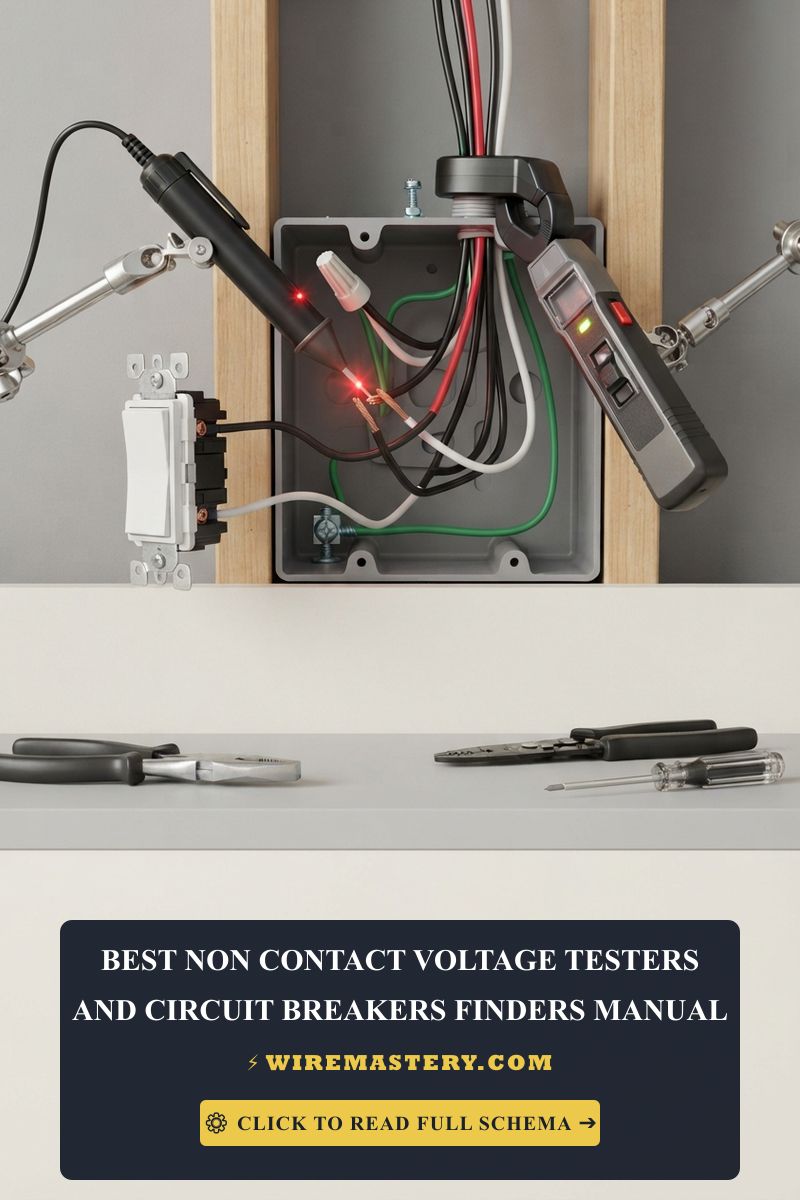
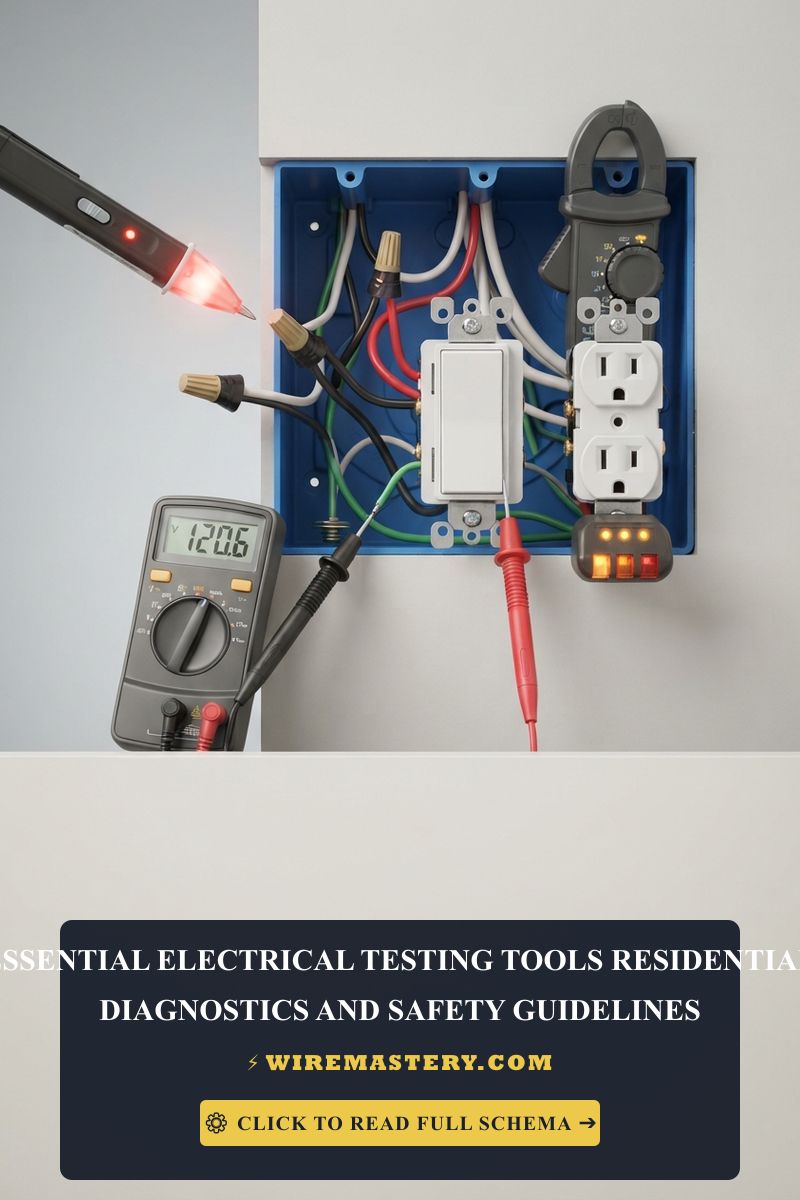
| Non-Contact AC/DC Tester | Audibly and visually confirms complete bus bar de-energization before mounting new hardware. |
| Calibrated Torque Driver | Essential tool required to tighten breaker box wire clamps to exact manufacturer inch-pound footprints. |
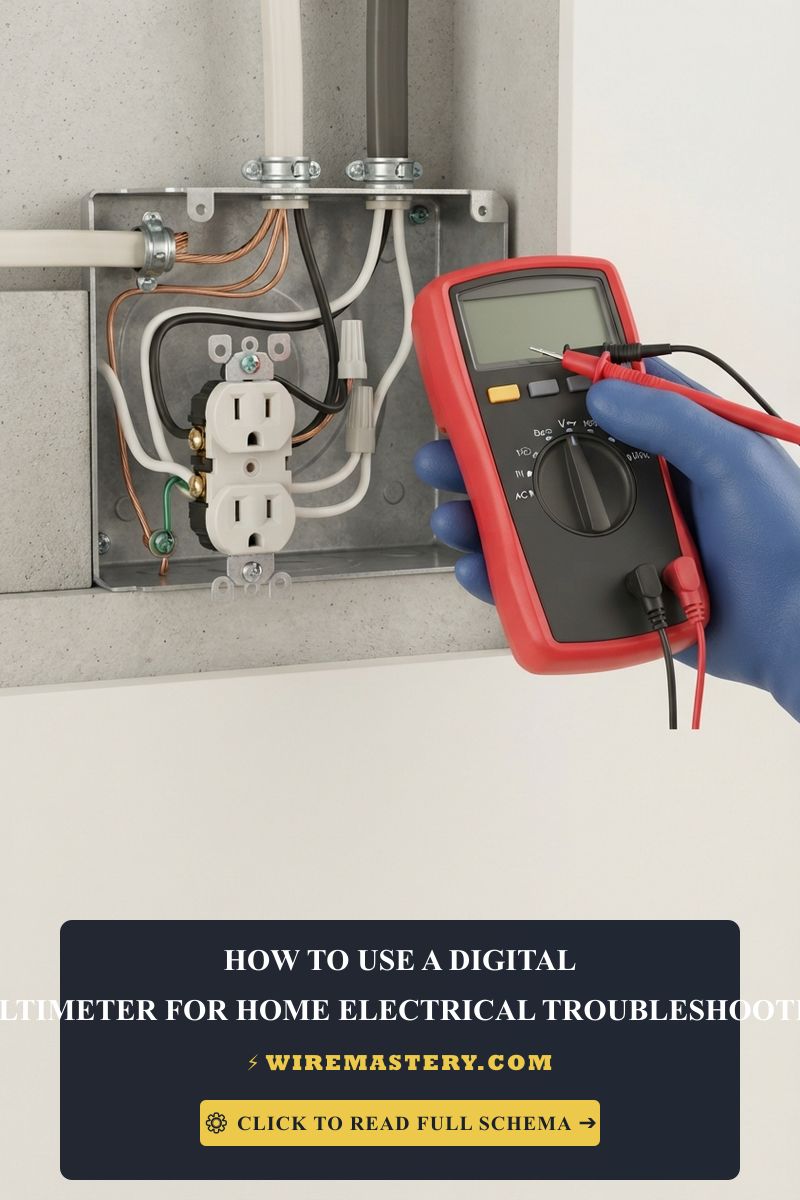
| Digital Auto-Ranging Multimeter | Measures live voltages across phases and verifies circuit continuity during commissioning. |
Understanding Wire Gauge and Amperage Sizing Benchmarks
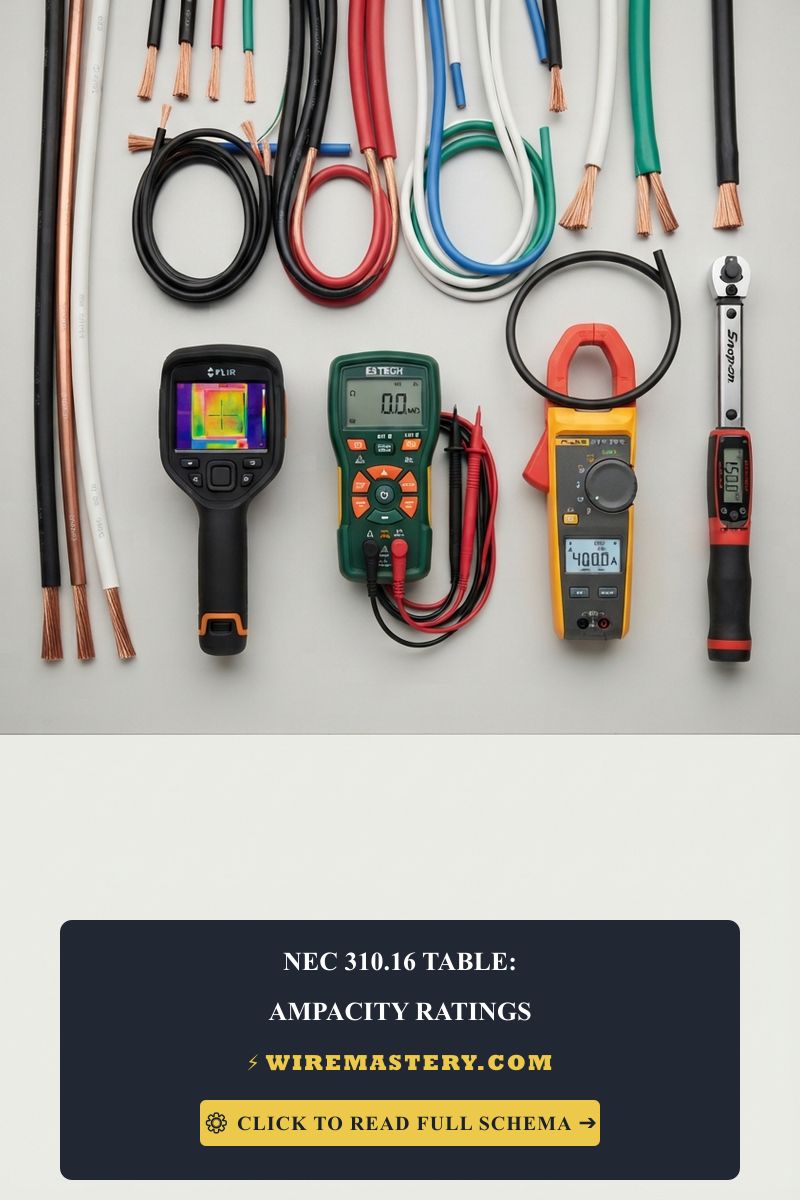
To ensure long-term system integrity, you must match your chosen circuit breaker’s overcurrent protection limits to the correct conductor gauge. Utilizing an undersized wire profile on a large breaker will lead to insulation decay and hidden wall fires under sustained loads:
| Circuit Breaker Rating | Minimum Copper Wire Size (AWG) | Standard Romex Jacket Color (US) | Primary Branch Application |
|---|---|---|---|
| 15 Amps | #14 AWG Solid Copper | White | Standard residential lighting loops and bedroom plugs. |
| 20 Amps | #12 AWG Solid Copper | Yellow | Kitchen small appliances, bathroom receptacles, and laundry nodes. |
| 30 Amps | #10 AWG Solid Copper | Orange | Central AC condenser units, water heaters, and electric clothes dryers. |
| 40 & 50 Amps | #8 or #6 AWG Stranded | Black | Heavy-duty dual-phase electric ranges, cooktops, and EV charging loops. |
Trade Review: The 15 Best Miniature Circuit Breakers
To navigate hardware distribution channels accurately, we have broken down the 15 leading miniature circuit breaker series across their certified manufacturer footprints and application sectors:
Category A: Premium Residential AC Distribution Breakers
1. Square D by Schneider Electric QO Series (Single-Pole 20A)
- The Footprint Standard: Exclusive QO plug-on design featuring an industry-leading 3/4-inch physical width format.
- Core Feature: Outfitted with the patented Visi-Trip red indicator flag window that pops instantly into view when the internal thermal-magnetic trip mechanism disengages.
- Compatibility: Fits strictly inside Square D QO premium panel enclosures. It features a rugged jaws-of-silicon clamp that wraps around a unique hook-and-rail bus bar.
2. Square D Homeline Series (Single-Pole 15A)
- The Footprint Standard: Standard 1-inch width format designed specifically for budget-conscious residential construction markets.
- Core Feature: Highly reliable thermal-magnetic trip curves with easy-to-reset mechanical toggle resistance.
- Compatibility: Fits strictly inside Square D Homeline enclosures. It utilizes standard plug-in tang attachments and cannot be interchanged with premium QO series hardware.
3. Siemens QP Series (Double-Pole 30A)
- The Footprint Standard: Standard 1-inch per pole thermal-magnetic breaker block.
- Core Feature: Features a quick-make, quick-break mechanism that dampens internal contact arcing, dramatically extending contact terminal life cycles under high-voltage 240V inductive appliance loads.
- Compatibility: UL-listed for Siemens and old Murray load centers.
4. Eaton BR Series (Single-Pole 20A)
- The Footprint Standard: Industry-standard 1-inch plug-in breaker format.
- Core Feature: Engineered with a robust black thermoset plastic housing that delivers superior structural stability and heat resistance under heavy continuous loads.
- Compatibility: Fits strictly inside Eaton BR load centers. It can also act as a legal UL-classified replacement in specific older Westinghouse or Bryant panel enclosures, provided you check the official cross-reference chart.
5. Leviton Decora Smart Circuit Breaker Series (Single-Pole 20A AFCI/GFCI)
- The Footprint Standard: Modern hydraulic-magnetic plug-on neutral structure.
- Core Feature: Features a high-tech data logging chip that transmits real-time current draw metrics via Wi-Fi. The faceplate incorporates a clear LED diagnostic window that indicates whether a trip was caused by an arc fault, ground fault, or simple overload.
- Compatibility: Fits exclusively inside the premium Leviton Smart Load Center panel network.
6. GE by ABB THQL Series (Single-Pole 15A)
- The Footprint Standard: Traditional 1-inch width plug-in breaker block.
- Core Feature: Outfitted with a silver-plated copper contact jaw system that provides exceptionally low input resistance and tight thermal-magnetic trip curve thresholds.
- Compatibility: Fits strictly inside GE total-quality load centers and legacy General Electric residential distribution boxes.
7. Siemens QPF2 Series (Single-Pole 20A GFCI)
- The Footprint Standard: 1-inch width ground fault circuit interrupter breaker block.
- Core Feature: Incorporates a Class A 5mA ground fault sensor matrix designed to protect human occupants from severe electrical shock hazards in wet zones.
- Compatibility: Certified for installation inside Siemens panel enclosures.
8. Eaton Cutler-Hammer CH Series (Single-Pole 20A)
- The Footprint Standard: Premium 3/4-inch width design format.
- Core Feature: Features a distinct sandalwood-colored breaker toggle switch and a unique plug-on neutral configuration that eliminates secondary wiring harnesses inside the panel wall cavity.
- Compatibility: Fits strictly inside Eaton Cutler-Hammer CH premium load centers; it cannot interface with standard BR panel boards.
9. Murray MP Series (Single-Pole 20A)
- The Footprint Standard: Legacy 1-inch width residential plug-in block.
- Core Feature: Built with traditional thermal-magnetic trip curves calibrated to suppress nuisance tripping during normal motor startup surges.
- Compatibility: Interchangeable with Siemens QP panels under specific legacy corporate listings.
10. Westinghouse Quick-Mount Series (Double-Pole 50A)
- The Footprint Standard: Legacy 2-inch dual-phase heavy appliance breaker block.
- Core Feature: High-strength copper terminal blocks capable of clamping thick #6 AWG stranded conductor lines without mechanical distortion.
- Compatibility: Found primarily in vintage multi-family residential distribution infrastructures; requires replacement with officially listed Eaton classified hardware during service upgrades.
Category B: Industrial and Specialized Solar DC Breakers
11. ABB S202M Series (Dual-Pole 32A DC-Rated)
- The Footprint Standard: Standard 35mm DIN-rail modular mounting format.
- Core Feature: Engineered explicitly for high-voltage DC applications up to 440V DC. It features built-in internal permanent magnetic blowouts that pull dangerous DC arcs directly into the cooling split chambers.
- Compatibility: Mounts inside specialized universal industrial enclosures or solar combiner boxes; it cannot interface with standard residential AC residential plug-in panels.
12. MidNite Solar MNEDC Series (Single-Pole 30A DC)
- The Footprint Standard: Compact DIN-rail or panel-mount chassis framework.
- Core Feature: UL-listed for 125V DC battery banks and solar charge controllers, utilizing hydraulic-magnetic trip mechanisms that ignore ambient temperature fluctuations.
- Compatibility: Required for off-grid battery arrays and solar system combiner box links.
13. Schneider Electric Acti9 iC60 Series (Multi-Pole DC Breaker)
- The Footprint Standard: Modular DIN-rail multi-phase protection system.
- Core Feature: Calibrated to handle high-voltage PV solar string loops up to 1000V DC under severe open-air environmental conditions.
- Compatibility: Industrial combiner boxes and utility-scale solar inverter networks.
14. Blue Sea Systems A-Series (Single-Pole 40A DC)
- The Footprint Standard: Compact toggle breaker frame for marine and mobile solar applications.
- Core Feature: Ignition-protected design that prevents external flame induction, making it mandatory for marine solar storage and RV lithium battery bank distribution.
- Compatibility: Off-grid solar arrays, camper configurations, and low-voltage DC power blocks.
15. OutBack Power PNL Series (Single-Pole 60A DC)
- The Footprint Standard: Heavy-duty front panel mount stud-terminal breaker frame.
- Core Feature: Hydraulic-magnetic current tracking engineered specifically to act as the primary safety link between massive solar panel arrays and off-grid inverter banks.
- Compatibility: OutBack Power pre-wired solar integration systems and charge controllers.
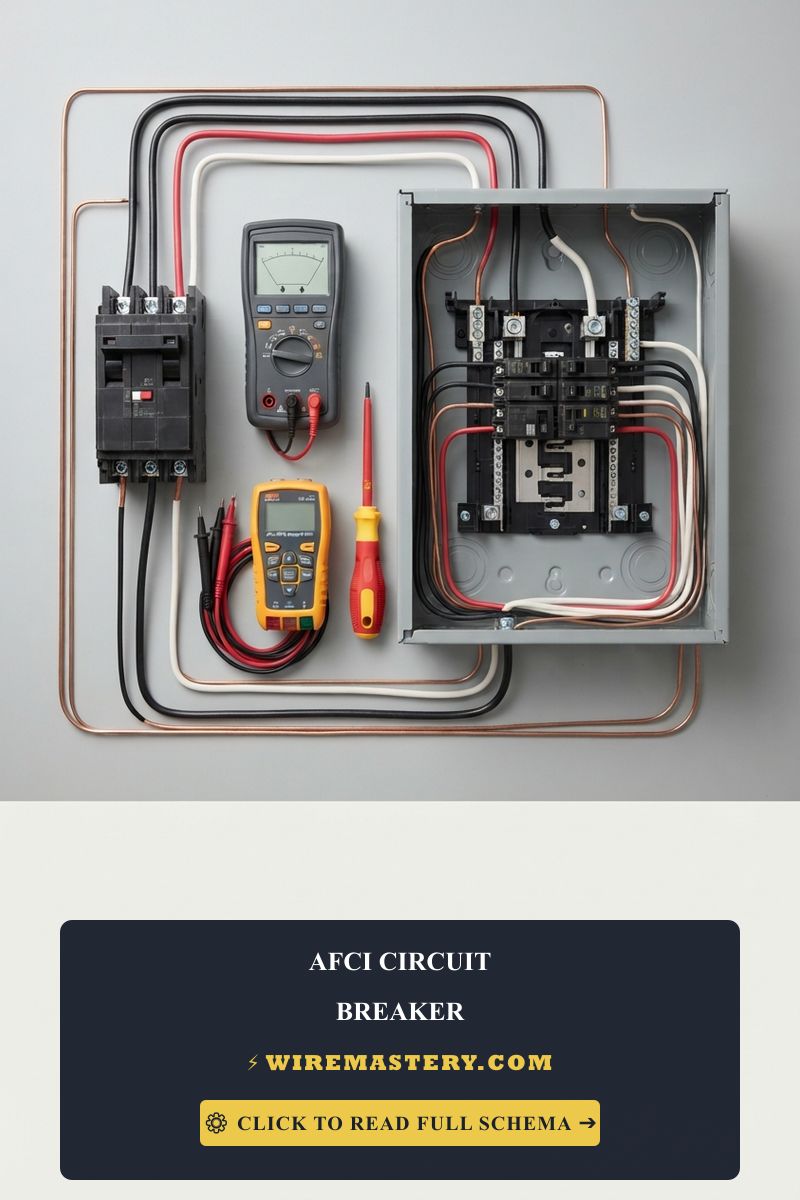
🛠️ Panel Safety Analysis Note: Look closely at the industrial model designs displayed throughout your guide assets. Notice how miniature circuit breakers must seat perfectly square on the distribution bus bars. If a breaker feels loose, or if the metal contact jaw inside is bent or corroded, it will create a high-resistance localized hotspot that will melt the surrounding plastic enclosure under a continuous 20-amp load long before the safety breaker can trip.
Step-by-Step Replacement & Installation Manual
1. Main Service Panel Power Isolation
Locate your property’s primary distribution center. Put on your ANSI-rated safety glasses and insulated work gloves. Toggle the main service disconnect breaker switch completely off (usually a massive 100A to 200A switch at the top of the panel block). Remove the deadfront cover plate screws carefully. Pass your non-contact voltage tester around all load bus bar tangs to confirm the workspace reads completely dead (0V AC).
2. Disconnecting the Target Branch Conductor
Locate the specific breaker you intend to replace. Use an insulated 1000V screwdriver to loosen the terminal lug screw holding the conductor. Pull the Black hot wire directly out of the breaker box clamp. Wrap the exposed copper tip with electrical tape temporarily to avoid any accidental contact with grounding bars.
3. Extracting and Snapping the New Miniature Breaker
- Grip the front face of the old breaker and rock it firmly outward toward the side gutter of the panel. The breaker jaw will snap off the center bus bar, allowing you to unhook the mounting foot from the plastic outer rail.
- Take your new, officially listed matching breaker. Hook the rear alignment foot onto the plastic panel rail first.
- Pivot the breaker body inward over the bus bar and press down firmly until the internal copper jaw snaps onto the metal bus bar tang with a sharp mechanical click.
4. Terminating the Conductor and Torque Commissioning
Remove the temporary electrical tape from your Black hot wire. Ensure exactly 1/2 inch of solid copper is exposed. Insert the copper tip into the terminal lug channel of your new miniature breaker. Use your calibrated torque driver to tighten the set-screw down to the exact manufacturer inch-pound specification stamped on the side of the breaker casing. Remove your tools from the box enclosure cavity, reinstall the deadfront plate, re-engage the main panel switch, and toggle your new breaker to the “ON” position.
NEC Compliance & Official Safety Standards
Adhering to strict construction codes shields your home investment, maintains property valuation, and ensures full insurance compliance. The National Electrical Code strictly regulates overcurrent protection devices, panel layouts, and compatibility under NEC Article 240 (Overcurrent Protection) and Article 690 (Solar Photovoltaic Systems):
- AFCI/GFCI Mandates (NEC 210.12): Modern residential codes dictate that almost all newly installed or replaced 15-amp and 20-amp single-pole circuit breakers feeding family living rooms, kitchens, and laundry zones must feature Arc-Fault (AFCI) or dual-function protection to suppress hidden sparking hazards behind finished walls.
- The 120% Rule for Solar Feedback (NEC 705.12): When backfeeding solar power into a residential AC panel through a grid-tied inverter, the sum of your main breaker amperage plus the solar breaker amperage must never exceed 120% of the total bus bar rating, preventing thermal heat accumulation at the bottom of the electrical framework.
For the NFPA 70 provisions relevant to this guide on 15 Best Miniature Circuit Breakers for Home & Solar Setups, consult the Official NFPA 70: National Electrical Code (NEC).