Understanding 400 Amp Wire Size for Home Service Entry
Introduction
When it comes to residential electrical systems, understanding the correct wire size is crucial for safety, efficiency, and performance. A 400 amp service is typically used in large homes, those with extensive electrical needs, or in homes with multiple units. However, many homeowners and even some contractors overlook the importance of selecting the appropriate wire size for this level of service.
Using the wrong wire size can lead to overheating, voltage drops, and even electrical fires. Properly sized wires ensure that your electrical system can handle the load without risking damage or hazards. This guide will provide you with all the information you need to select the correct wire size for a 400 amp service entry, including a wire size chart, installation instructions, and safety tips.
Tools and Materials Needed
| Tool/Material | Purpose |
|---|---|
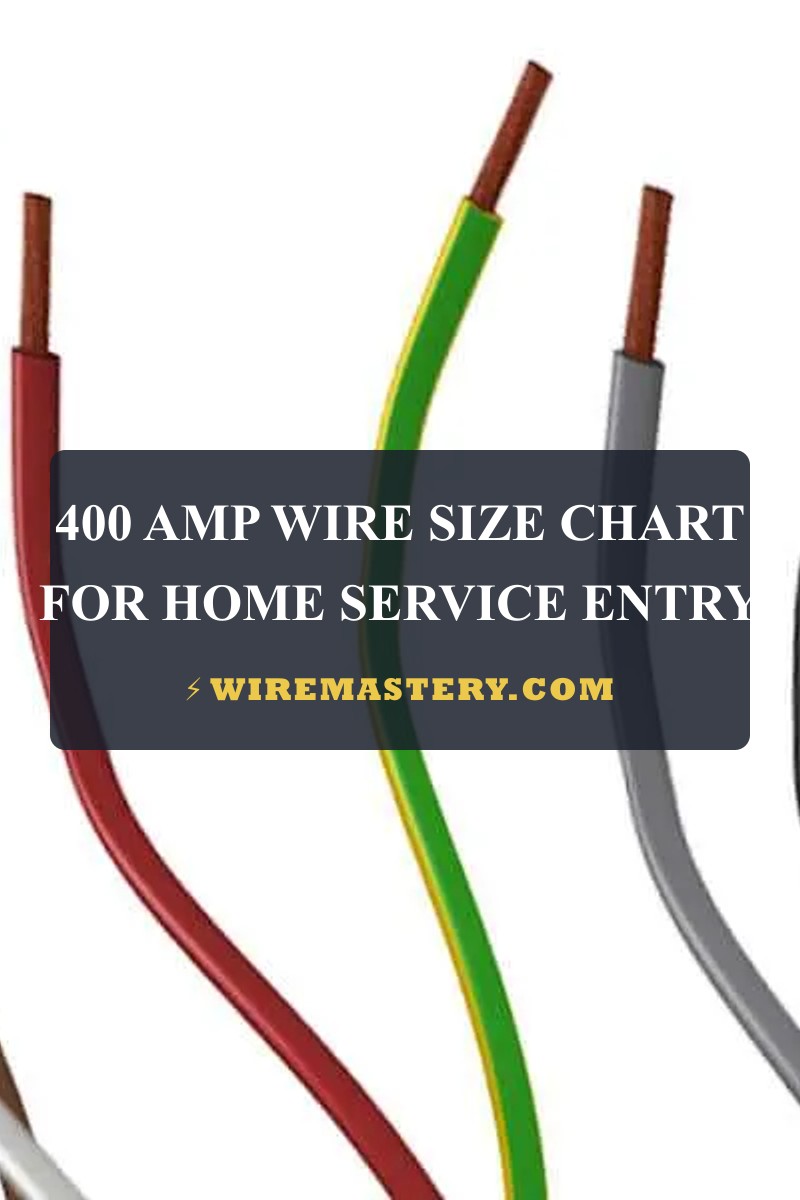
| 400 Amp Wire | Main electrical service entry wiring |
| Wire Strippers | To remove insulation from the wire ends |
| Cable Cutters | To cut wire to the required lengths |
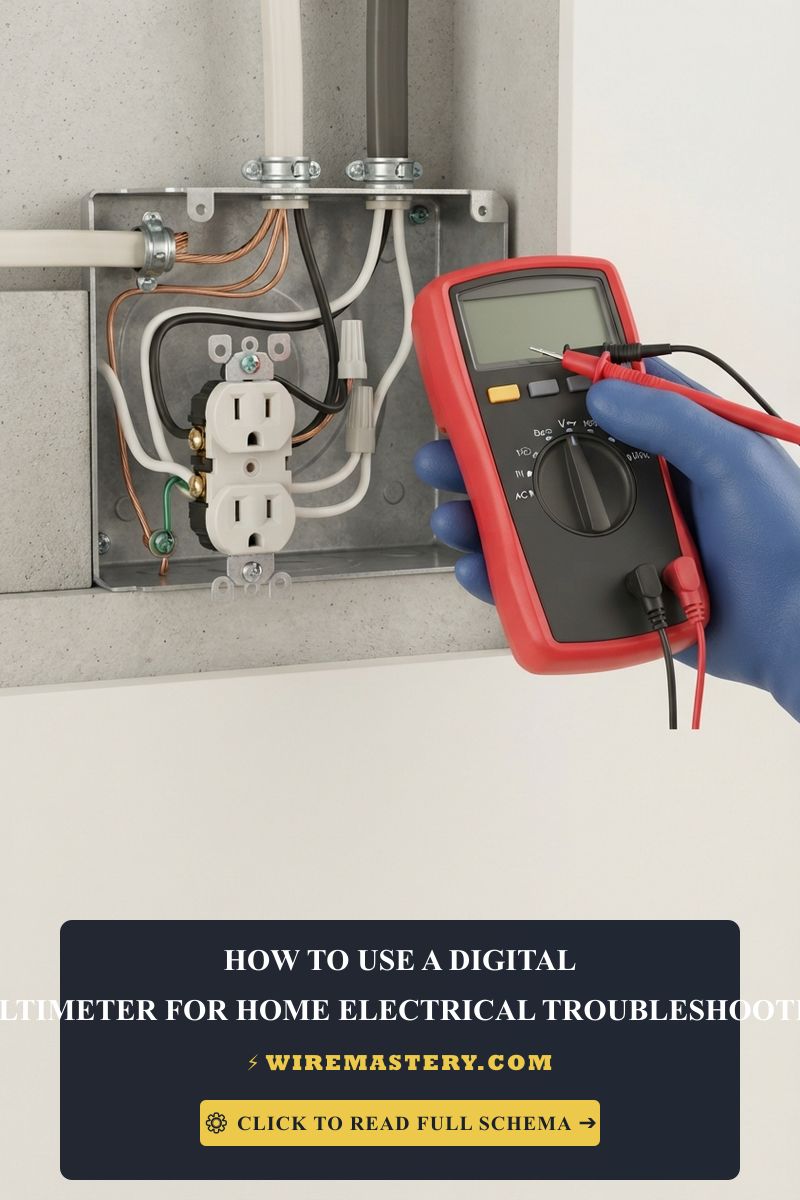
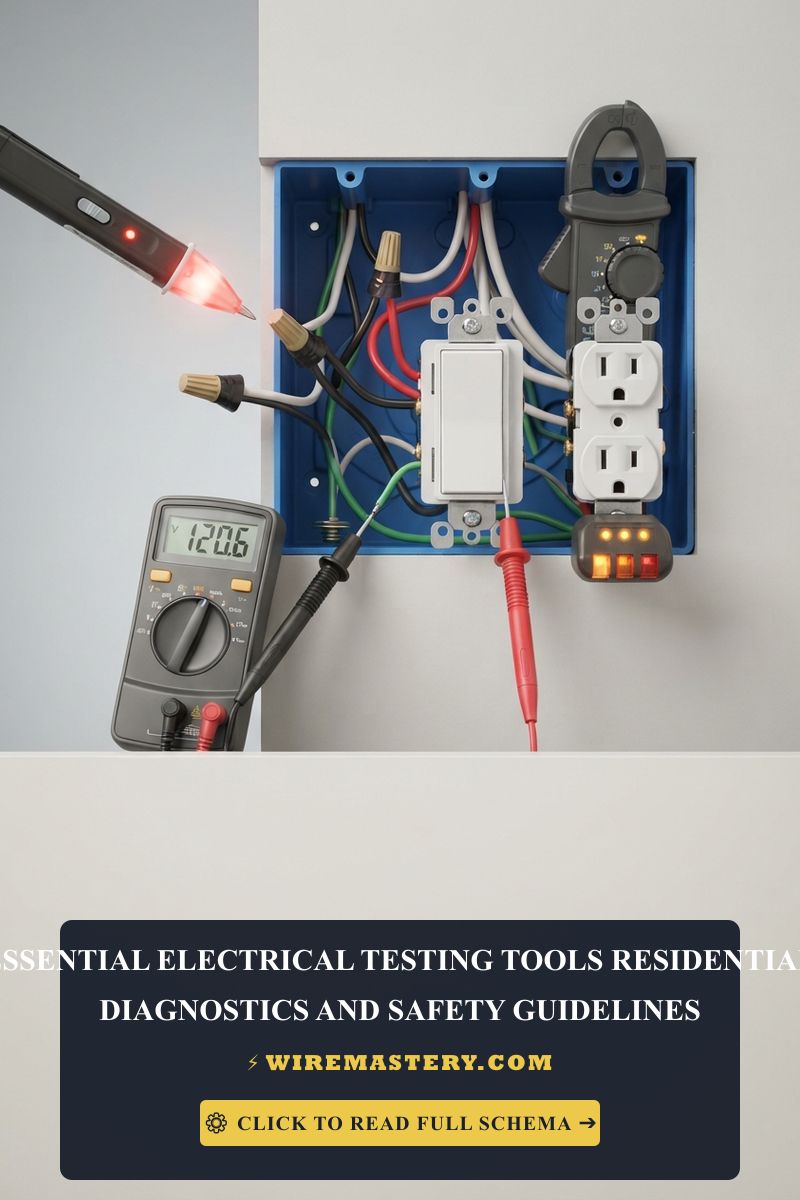
| Voltage Tester | To ensure the system is de-energized before working |
| Electrical Tape | For securing connections and insulating exposed wires |
| Conduit | To protect the wiring as it enters the home |
| Junction Boxes | For connecting wires safely and securely |
| Personal Protective Equipment (PPE) | To ensure personal safety while working |
Safety Precautions
- Always wear insulated gloves and safety glasses when working with electrical systems.
- Ensure the power is turned off at the main breaker before beginning any work.
- Use a voltage tester to confirm that the system is de-energized.
- Work in a well-ventilated area, especially when stripping or cutting wire.
- Follow local electrical codes and regulations to ensure compliance.
Step-by-Step Instructions
-
Determine the Load Requirements
Begin by assessing the total electrical load that will be served by the 400 amp service. This includes all appliances, HVAC systems, lighting, and other electrical devices. Calculating your load in amperes is essential for choosing the right wire size. -
Refer to the Wire Size Chart
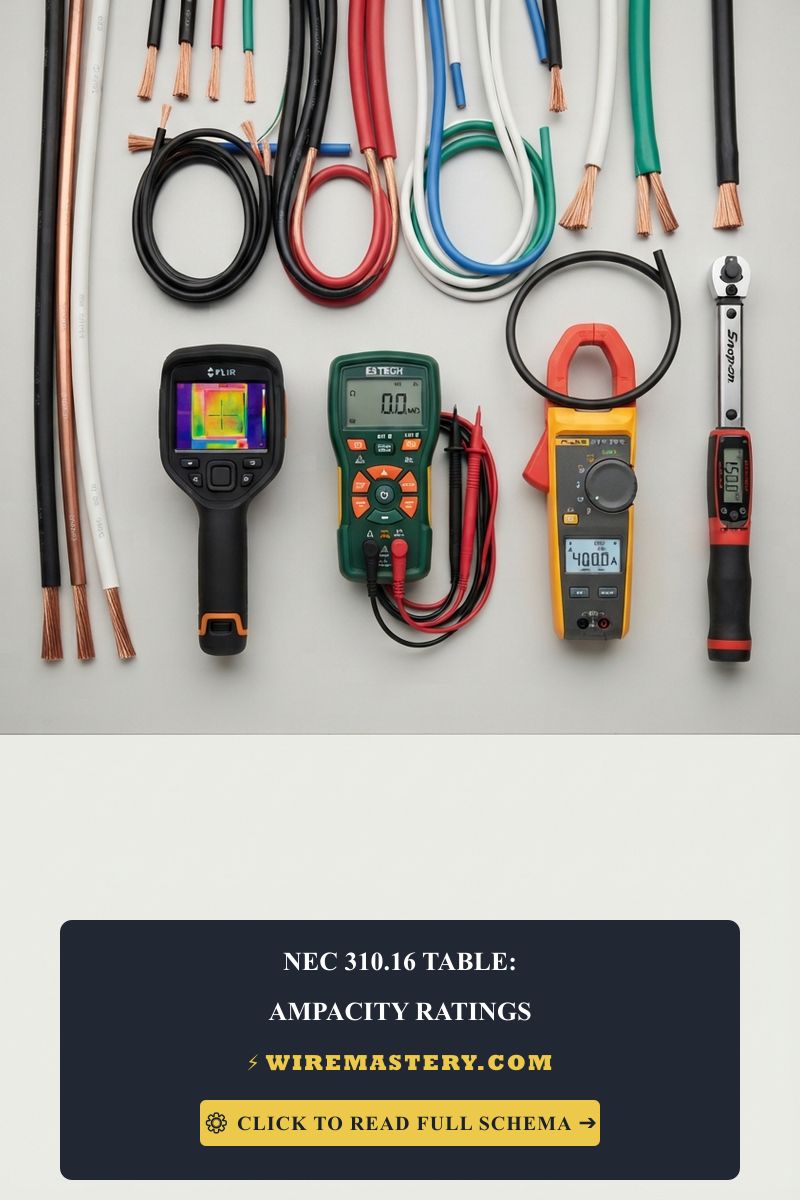
Use a wire size chart specific to 400 amp service. Generally, for copper wire, you will need a minimum of 250 kcmil (thousand circular mils), and for aluminum wire, a minimum of 350 kcmil. Here’s a simplified chart:Conductor Type Minimum Size (kcmil) Copper 250 Aluminum 350 -
Select the Appropriate Wire Type
Choose between copper and aluminum wire based on your budget and installation requirements. Copper is more conductive and generally preferred, but aluminum can be more cost-effective. -
Calculate Voltage Drop
Consider the distance from the service entry to the main panel. For longer runs, you may need to increase wire size to compensate for voltage drop. A voltage drop calculator can help, but a general rule is to keep it below 3% for branch circuits and 5% for feeders. -
Gather Tools and Materials
Collect all the necessary tools and materials listed in the previous section. This preparation will streamline your installation process. -
Install Conduit
Install the conduit from the service entry point to the main panel. Ensure it meets local code requirements and is securely fastened. -
Cut and Strip the Wire
Cut the wire to the required lengths using cable cutters. Use wire strippers to remove insulation from the ends, leaving enough length to make secure connections. -
Make Connections
Connect the wire to the main panel and the service entry point. Ensure all connections are tight and secure. Use electrical tape to insulate any exposed wire ends. -
Test the System
Once all connections are made, turn the power back on and use a voltage tester to ensure everything is functioning correctly. Check for any signs of overheating or unusual behavior. -
Final Inspection
If required, have a licensed electrician inspect your work to ensure it complies with local codes and safety regulations.
Common Mistakes to Avoid
- Underestimating Load Requirements: Failing to accurately calculate the total load can lead to undersized wiring, which poses safety risks.
- Ignoring Local Codes: Always adhere to local electrical codes and regulations; neglecting them can result in fines or unsafe installations.
- Using the Wrong Wire Type: Ensure you are using the correct type of wire (copper vs. aluminum) for your specific needs and preferences.
- Not Considering Voltage Drop: Overlooking voltage drop can lead to inefficient performance and potential hazards.
- Skipping the Inspection: Failing to have your work inspected can lead to serious safety issues and liability concerns.
Conclusion
Selecting the correct wire size for a 400 amp service entry is vital for the safety and efficiency of your home’s electrical system. By following this comprehensive guide, you can ensure that your installation meets both your electrical needs and safety standards. Remember to take your time, follow the steps outlined, and don’t hesitate to consult a professional if you’re unsure about any part of the process. Properly sized and installed wiring will provide peace of mind and reliable service for years to come.