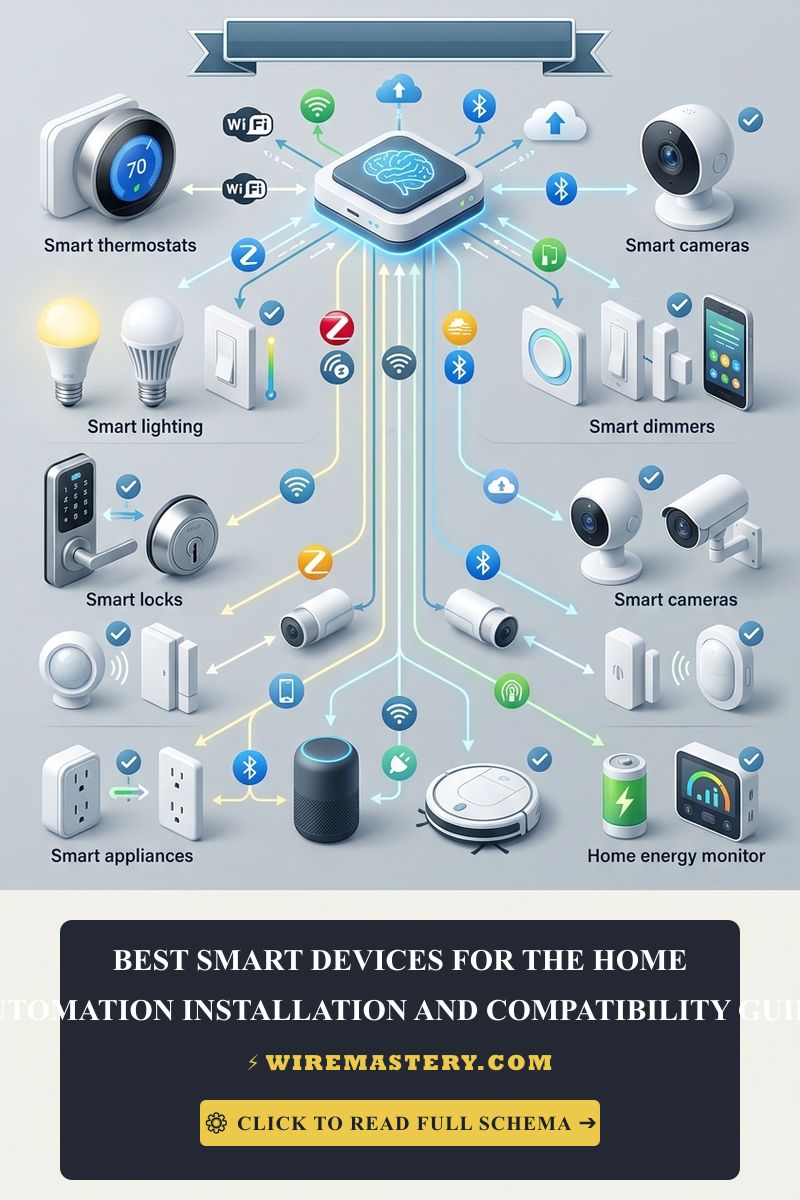
Best Smart Devices for Home Automation: Compatibility Guide
Smart home automation is revolutionizing the way we interact with our living spaces. With a myriad of devices available on the market, it can be overwhelming to determine the best options for your home. This guide will explore the best smart devices for home automation, their compatibility, and installation considerations, ensuring that you have a comprehensive understanding of what to choose for your residential electrical needs.
Understanding Smart Home Automation
Smart home automation involves the integration of various devices that can be controlled remotely, often through a central hub or smartphone application. The primary benefits of smart home technology include enhanced security, energy efficiency, convenience, and increased property value.
Key Components of Smart Home Systems
-
Smart Hubs: These devices serve as the central control point for all smart devices in your home. Examples include:
- Amazon Echo (with Alexa)
- Google Nest Hub
- Samsung SmartThings Hub
-
Smart Lighting: Control your home’s lighting remotely or through automation. Popular options include:
- Philips Hue
- LIFX
- Wyze Bulbs
-
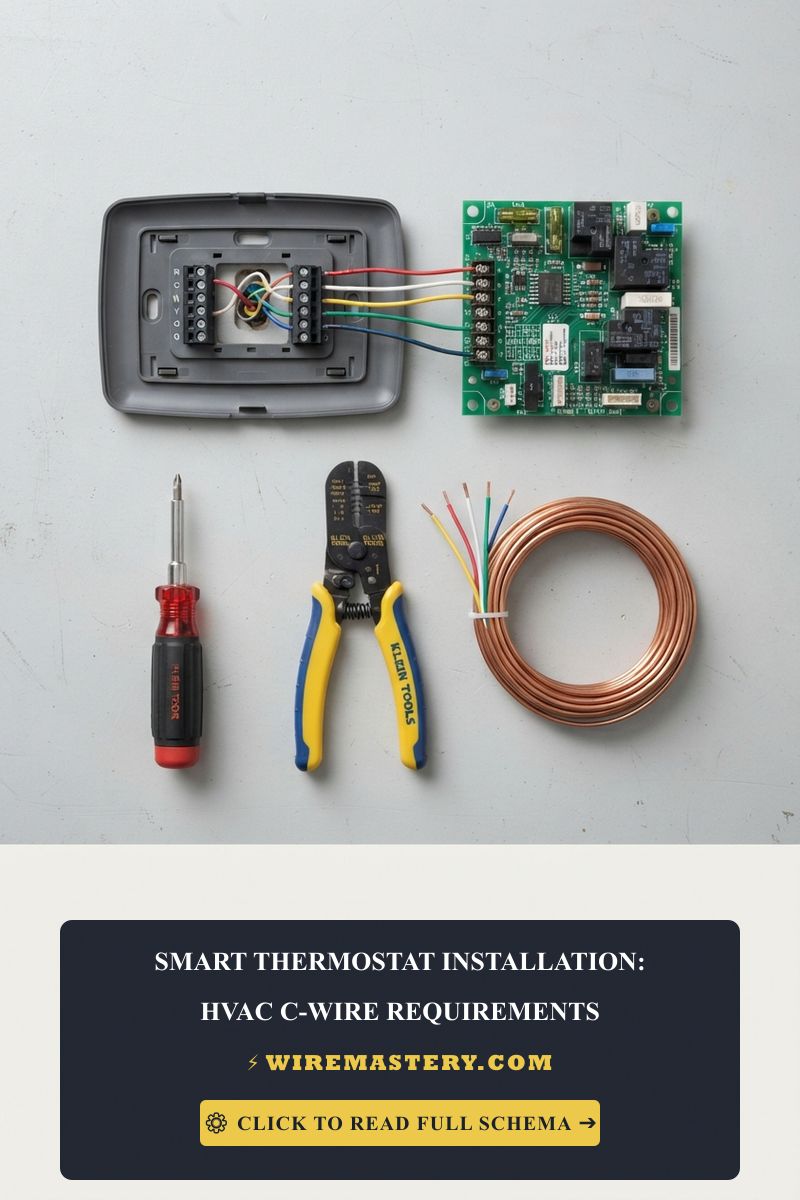
Smart Thermostats: Optimize your heating and cooling systems for energy efficiency. Notable brands include:
- Nest Learning Thermostat
- Ecobee SmartThermostat
- Honeywell Home T9
-
Smart Security Systems: Enhance home security with cameras, locks, and alarms. Options include:
- Ring Video Doorbell
- Arlo Pro Cameras
- August Smart Lock
-
Smart Appliances: Integrate your kitchen and laundry appliances for improved convenience. Examples include:
- Samsung Smart Fridge
- LG Smart Washer and Dryer
- Instant Pot Smart WiFi
Compatibility Considerations
When selecting smart devices, compatibility is crucial to ensure a seamless integration within your home automation system. Here are some factors to consider:
1. Communication Protocols
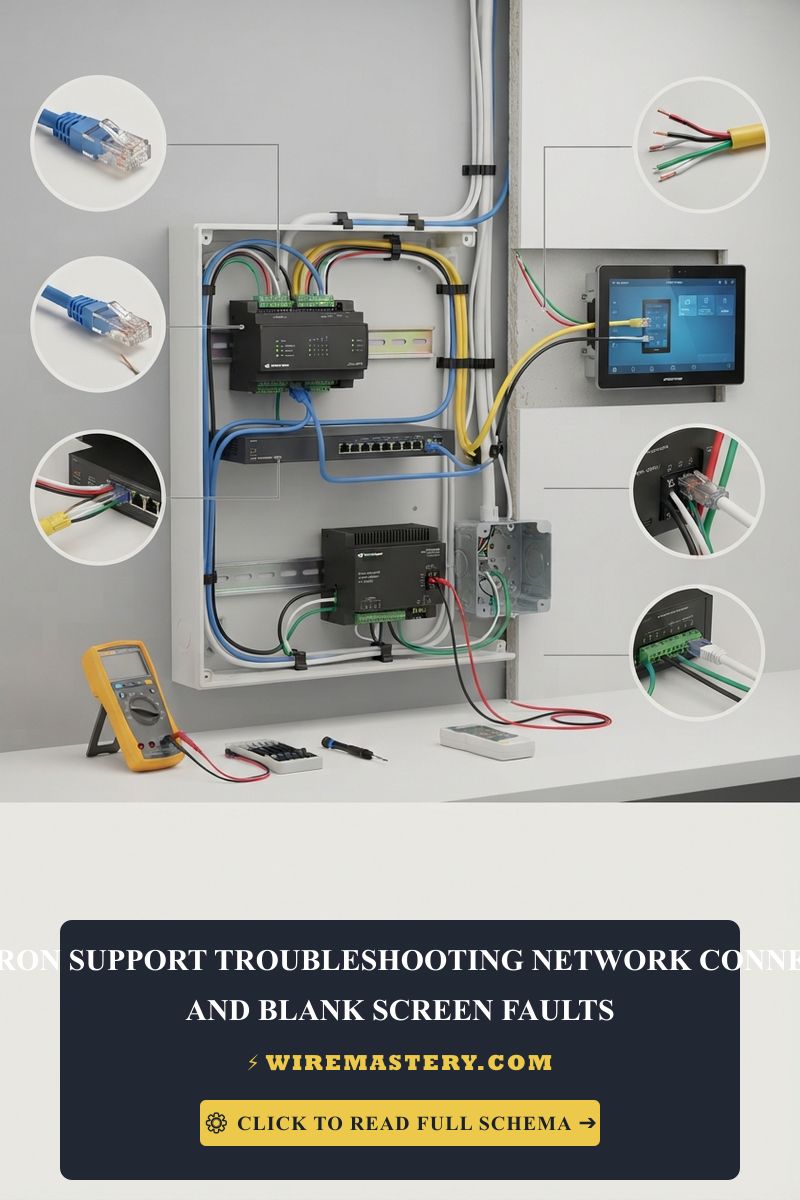
Smart devices communicate using various protocols. Understanding these can guide your selection process:
- Wi-Fi: Offers high bandwidth, suitable for devices like cameras and streaming devices. However, it can lead to network congestion.
- Zigbee: A low-power, mesh networking protocol ideal for battery-operated devices. It connects through a hub, allowing devices to communicate over long distances.
- Z-Wave: Similar to Zigbee but operates on a different frequency, reducing interference. It also requires a hub for connectivity.
- Bluetooth: Best for short-range communication, often used for smart locks and speakers.
2. Ecosystem Compatibility
Choose devices that operate within the same ecosystem for easier control and integration. Common ecosystems include:
- Amazon Alexa
- Google Assistant
- Apple HomeKit
3. Device Interoperability
Interoperability allows devices from different manufacturers to work together. Look for devices labeled as “Works with Alexa,” “Works with Google Assistant,” or “HomeKit-compatible.”
Tools Required for Installation
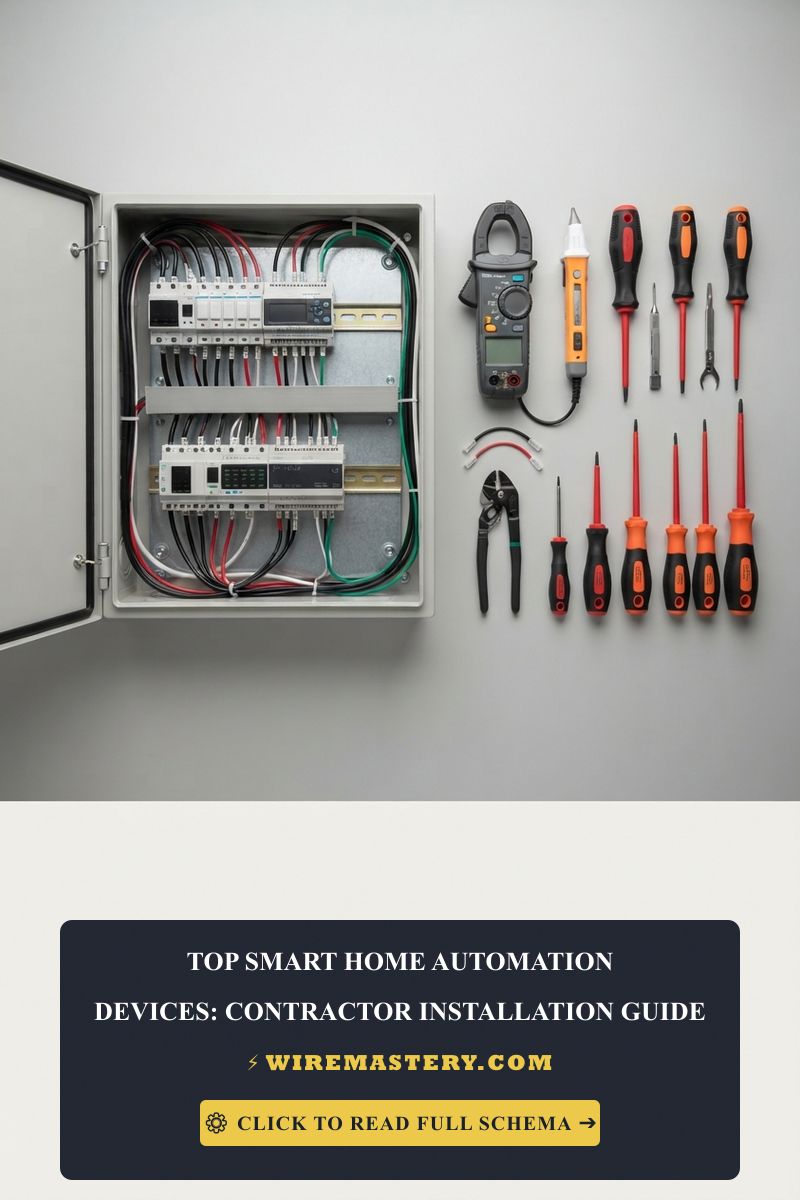
When installing smart devices, certain tools will make the process simpler and safer. Here’s a list of essential tools:
Basic Tools
- Screwdrivers: Both Phillips and flat-head for mounting devices.
- Wire Strippers: For preparing electrical connections.
- Drill: For any necessary wall or surface mounting.
- Level: To ensure devices are mounted straight.
- Tape Measure: For accurate placement of devices.
Electrical Tools
- Voltage Tester: To ensure the circuit is de-energized before working on it.
- Multimeter: For measuring voltage, current, and resistance.
- Fish Tape: For running wires through walls or conduits.
Wire Gauges and Electrical Considerations
Correct wire gauge selection is critical for safety and functionality. Here’s a breakdown:
Common Wire Gauges
- 14 AWG: Suitable for standard lighting and receptacle circuits.
- 12 AWG: Recommended for circuits carrying heavier loads like smart appliances.
- 18 AWG: Often used for low-voltage wiring, such as for smart lighting or sensors.
Circuit Load Calculations
- Ensure that the total load on a circuit does not exceed 80% of its capacity. For example, a 15-amp circuit should not exceed 1200 watts (15A x 120V = 1800W; 80% = 1440W).
Safety Checklist
Before installation, follow these safety protocols:
- Turn off the power to the circuit at the electrical panel.
- Use insulated tools to prevent electrical shock.
- Double-check voltage with a tester before handling any wires.
- Follow manufacturer installation instructions carefully.
- Secure all connections to prevent arcing or fire hazards.
Recommended Smart Devices for Home Automation
1. Smart Lighting
-
Philips Hue:
- Compatibility: Works with Alexa, Google Assistant, and Apple HomeKit.
- Features: Adjustable brightness and color, scheduling, and remote control.
-
LIFX:
- Compatibility: Wi-Fi enabled, no hub required.
- Features: Millions of colors and effects, voice control, and energy-efficient.
2. Smart Thermostats
-
Nest Learning Thermostat:
- Compatibility: Works with Alexa, Google Assistant.
- Features: Learns your schedule, remote control, and energy reports.
-
Ecobee SmartThermostat:
- Compatibility: Works with Alexa, Google Assistant, and Apple HomeKit.
- Features: Smart sensors for temperature control and home occupancy, voice control.
3. Smart Security Systems
-
Ring Video Doorbell:
- Compatibility: Works with Alexa.
- Features: HD video, two-way talk, motion-activated alerts.
-
Arlo Pro Cameras:
- Compatibility: Works with Alexa and Google Assistant.
- Features: Wireless setup, night vision, and advanced motion detection.
4. Smart Appliances
-
Samsung Smart Fridge:
- Compatibility: Works with Alexa and Google Assistant.
- Features: Family Hub display, food management, and smart cooking features.
-
LG Smart Washer and Dryer:
- Compatibility: Works with Google Assistant and Amazon Alexa.
- Features: Remote monitoring, energy usage reports, and cycle notifications.
Installation Best Practices
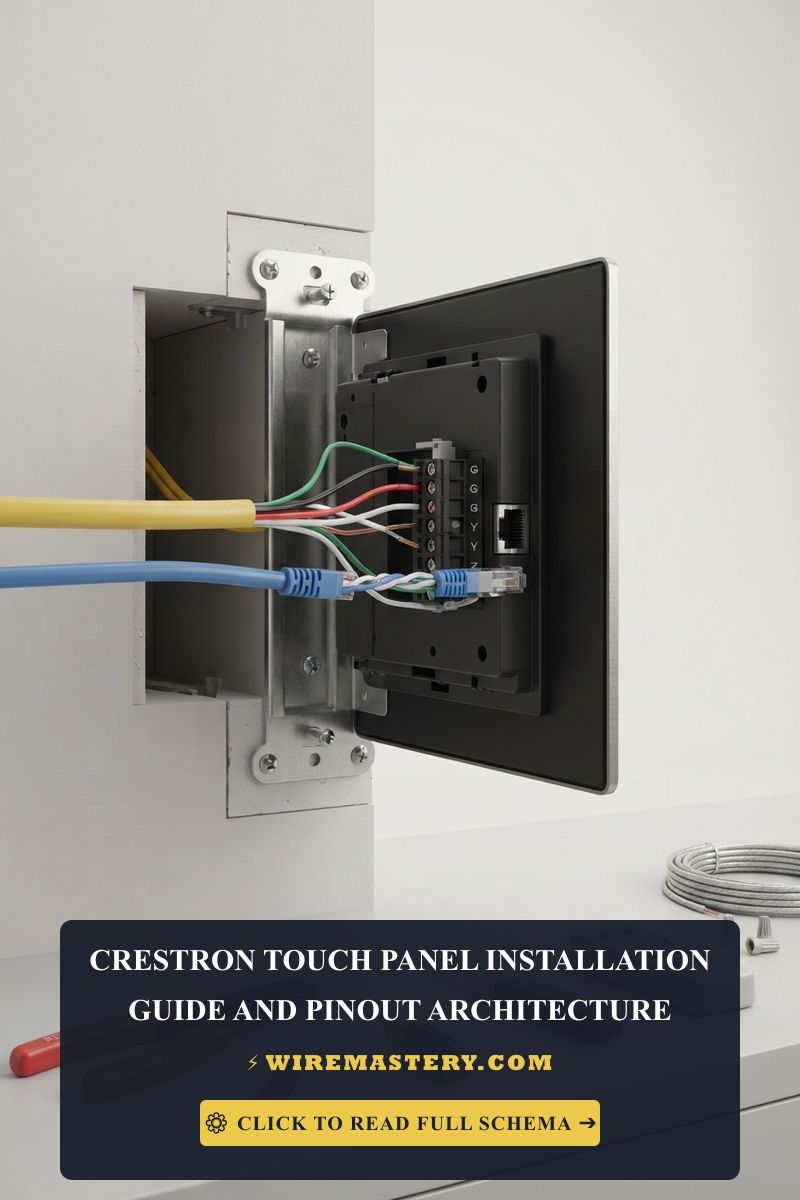
When installing smart devices, keep these best practices in mind:
- Read the Instruction Manual: Always refer to the manufacturer’s instructions before installation.
- Plan Your Layout: Determine device placement based on Wi-Fi reach and device compatibility.
- Use Quality Hardware: Invest in quality mounting and connection hardware to ensure longevity.
- Test Functionality: After installation, test each device to ensure proper operation.
NEC Compliance & Official Safety Standards
Adhering to the National Electrical Code (NEC) is vital for ensuring safety and functionality in home automation installations. The NEC outlines standards for electrical wiring, equipment, and safety practices, aiming to prevent electrical hazards and ensure reliable operation of electrical systems.
Importance of Compliance:
- Protects against electrical fires and shock hazards.
- Ensures the longevity and reliability of smart devices.
- Facilitates insurance compliance and property value retention.
For more detailed and up-to-date information regarding electrical codes and standards, please refer to the Official NFPA 70: National Electrical Code (NEC).
Summary
Home automation offers numerous conveniences and efficiencies, but successful installation requires careful consideration of device compatibility, safety standards, and electrical requirements. By selecting the right tools, understanding wire gauges, and adhering to NEC guidelines, homeowners can create a seamless and safe smart home environment. Whether you’re upgrading existing devices or starting from scratch, this guide serves as a valuable resource for your smart home journey.