Best Smart Tools for Home Electrical Projects: Contractor Guide
Introduction
The integration of digital technology has completely revolutionized how we approach residential electrical diagnostic work. Modern smart tools do more than simply speed up installation timelines; they deliver absolute measurement precision and establish a critical safety buffer for both DIY enthusiasts and seasoned contractors. Whether tracking a hidden short circuit behind drywall or balancing a new subpanel bus bar, leveraging high-caliber digital test equipment transforms guess-work into precise engineering diagnostics.
This manual reviews the best smart electrical diagnostic tools available on the United States market, their true technical specifications, and safe field applications in compliance with the National Electrical Code (NEC).
Core Tool Selection Safety Parameters
Before introducing a new digital diagnostic device into a live service panel enclosure, verify these safety thresholds:
- CAT Overvoltage Ratings: Test instruments must carry verified CAT III (600V or 1000V) or CAT IV safety ratings to handle transient voltage spikes safely inside residential distribution panels.
- True RMS Accuracy: Standard economy meters miscalculate distorted alternating current (AC) sine waves caused by modern solid-state dimmers and computers. Always source True RMS (Root Mean Square) multi-testers for true accuracy.
- Insulation Testing Compliance: Hand tools like screwdrivers and pliers must be certified under ASTM F1505 standards to guarantee electrical shock protection up to 1000V AC.
The Best Smart Electrical Diagnostic Tools Matrix
To build an unshakeable trade arsenal, you must select tools engineered by leading industry vendors (such as Fluke, Klein Tools, and Bosch). Below is the verified hardware matrix optimized for North American residential branch testing:
| Smart Diagnostic Tool | Equipment Category | Core Technical Advantage & Feature | Estimated Price (USD) |
|---|---|---|---|
| Fluke 117 | True RMS Multimeter | Integrated VoltBeat non-contact voltage detection and LoZ low-impedance mode to eliminate ghost voltages. | $200 - $250 |
| Klein Tools ET300 | Digital Breaker Finder | Automatically locates the exact single-pole circuit breaker toggle inside a crowded panel without cutting power. | $40 - $60 |
| Bosch GLL 30 | Self-Leveling Laser | Projects crisp cross-line lasers to ensure perfect horizontal alignment of receptacle boxes and conduits. | $50 - $80 |
| Amprobe AM-570 | Industrial Clamp Meter | Dual-display functionality that clamps around isolated feeders to measure real-time AC/DC amperage load balances. | $80 - $110 |
| Wiha 32092 Set | 1000V Insulated Drivers | Slim-line blades certified under ASTM and VDE standards to prevent accidental arcing inside live boxes. | $25 - $40 |
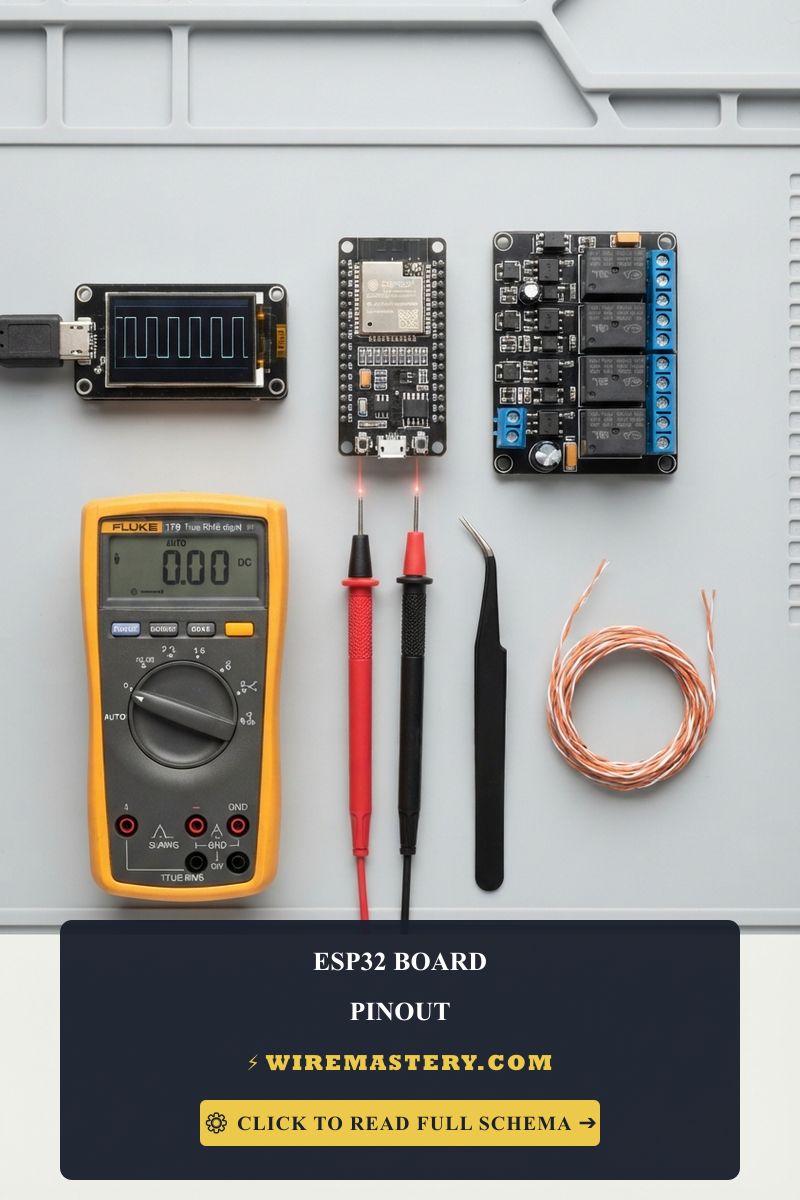
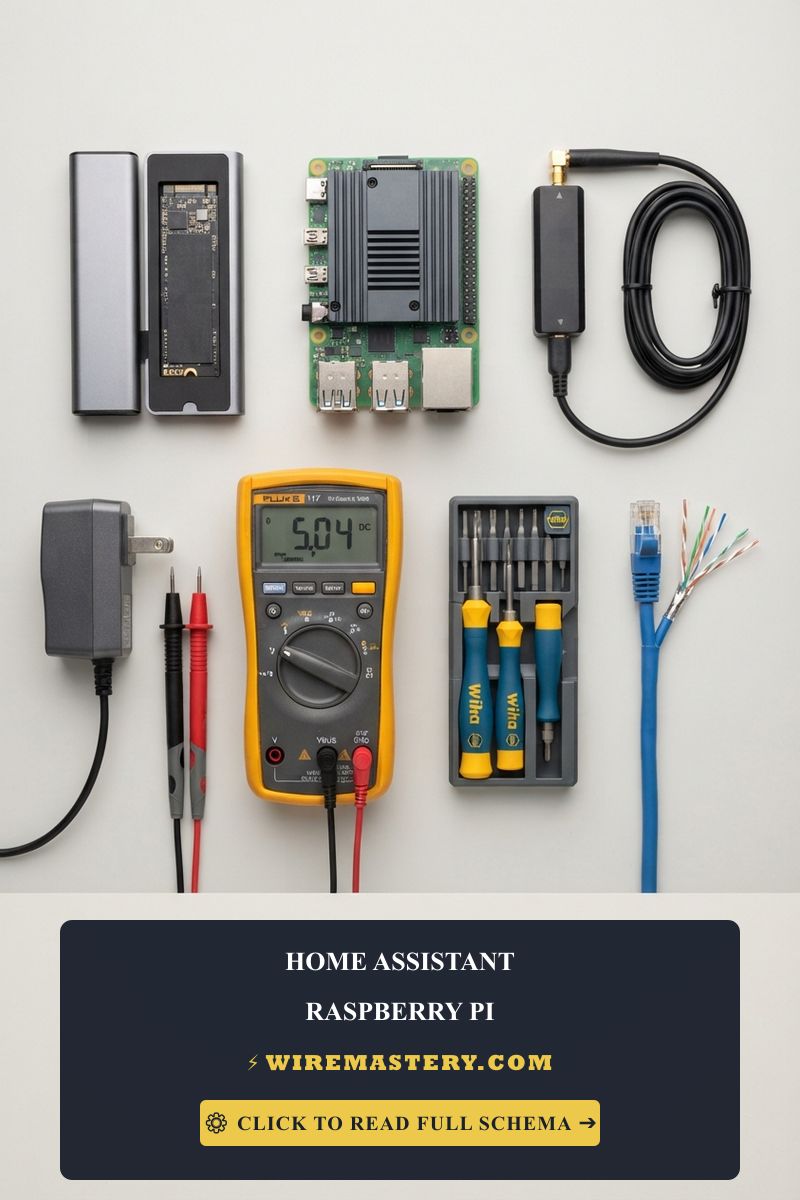
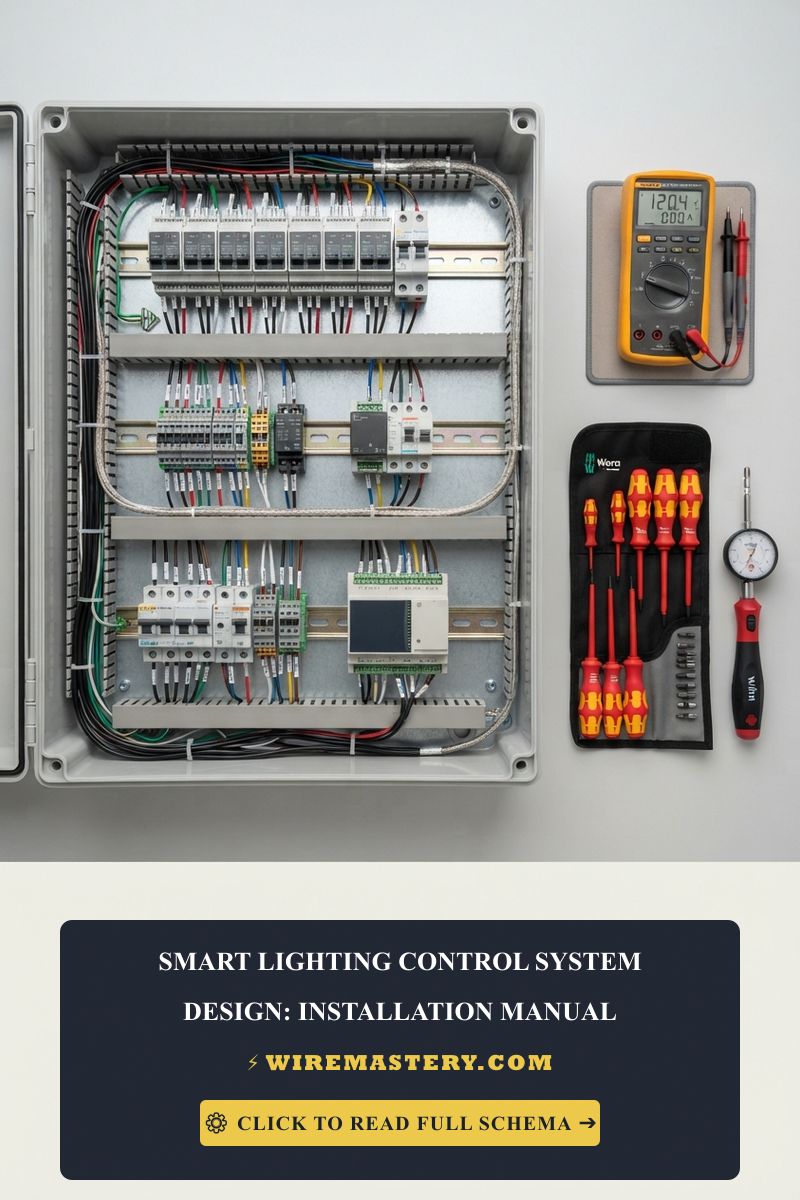
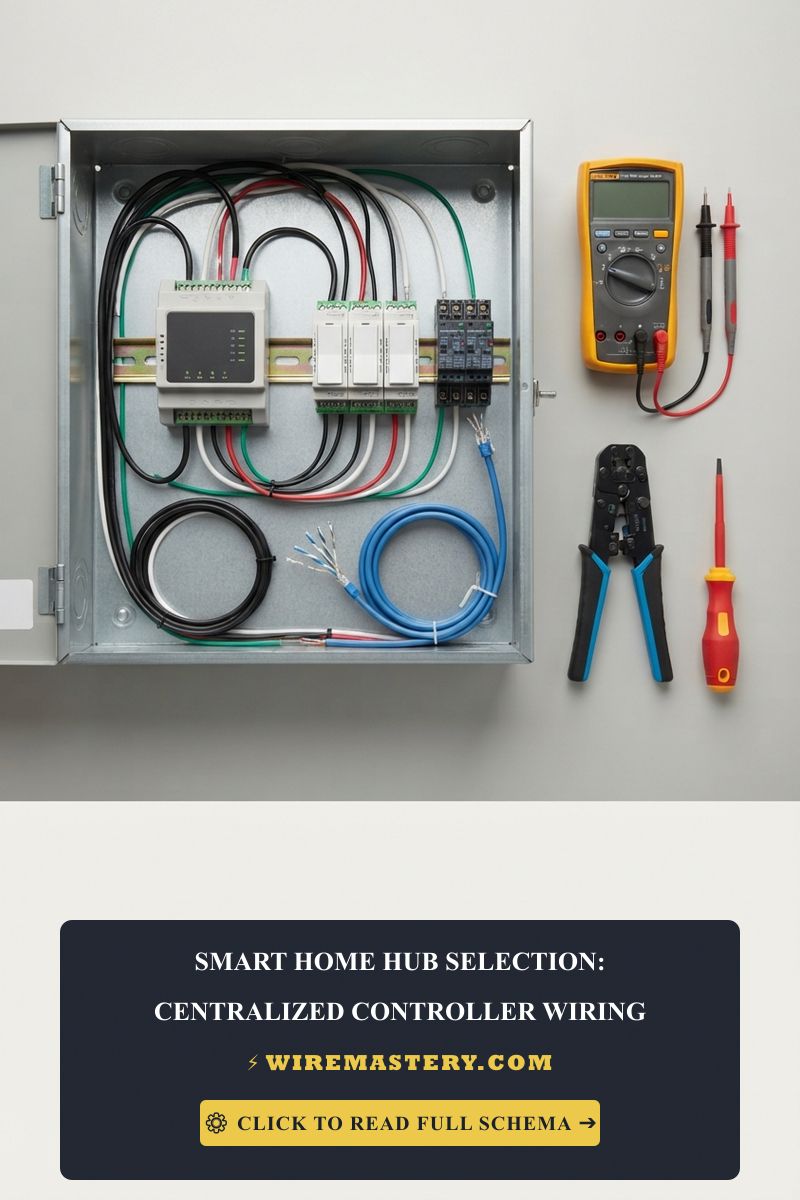
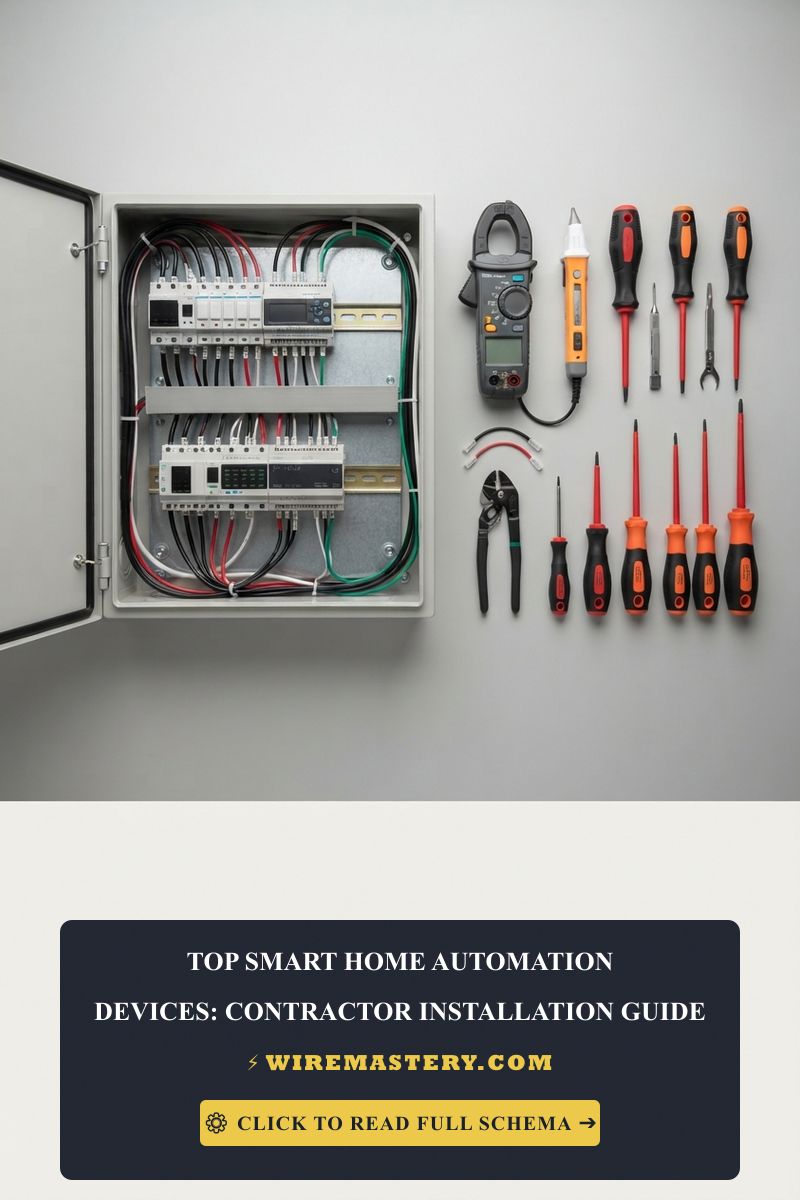
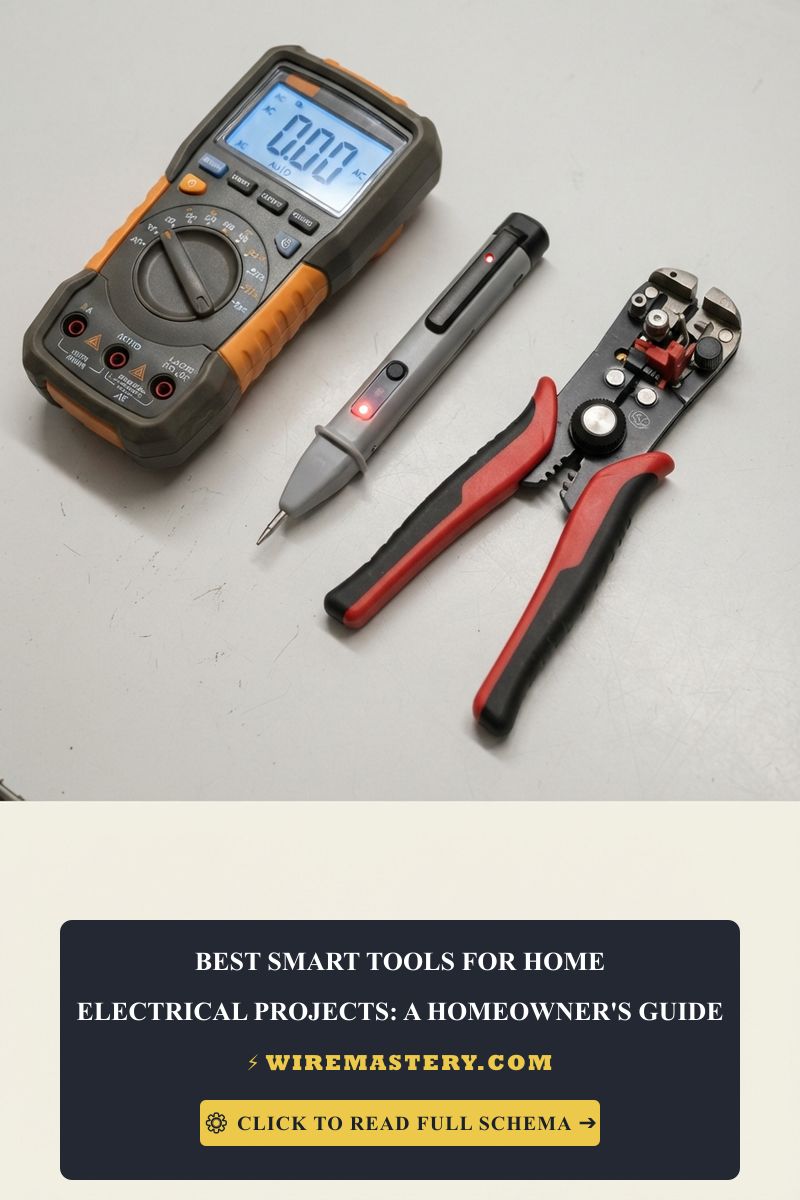
🛠️ Contractor Tool Application Note: Look closely at the organized hardware distribution showcased in our project manuals. Notice the explicit segregation between low-voltage digital alignment equipment (like self-leveling cross-lasers) and high-voltage panel safety monitors. Prior to clamping or probing an unknown conductor, always test your diagnostic meters on a known live 120V outlet to verify that your digital display panels and internal safety fuses are fully operational.
Step-by-Step Field Manual: Operating Smart Testing Gear
1. Tracing Circuits with the Klein Tools ET300 Breaker Finder
When rewiring a specific room or outlet node, locating the corresponding breaker switch can be frustrating in older unlabeled panels.
- Plug the ET300 transmitter module directly into the target 120V wall receptacle slot. The transmitter LED will illuminate, sending a unique digital RF signal back down the hot wire line.
- Navigate to your main service panel. Open the door and pass the ET300 handheld receiver wand slowly over the row of breaker toggles.
- On the first pass, the tool will beep at multiple spots as it learns the panel’s magnetic field strength. On the second pass, it will beep and flash green over one single breaker toggle. That is your exact branch line.
2. Eliminating Ghost Voltages with the Fluke 117 LoZ Mode
Standard digital multimeters feature exceptionally high input impedance, which causes them to pick up capacitive “ghost voltages” from adjacent live wires inside the same conduit, registering a false power reading on a dead wire.
- Turn the Fluke 117 dial to the LoZ (Low Impedance) setting mode.
- Place your black probe onto the white neutral bar and the red probe onto your bare wire lead.
- The LoZ function introduces a low-resistance load across the meter circuit, instantly dissipating ghost currents. If the meter reads 0V, the wire is truly dead; if it reads 120V, the line is actively energized.
3. Current Load Testing with the Amprobe Clamp Meter
To diagnose if a circuit breaker is tripping due to an actual overcurrent load rather than a short circuit:
- Open your panel cover plate safely. Separate your target 120V black hot branch wire from the bundle.
- Clamp the jaws of your Amprobe meter completely around the individual black wire (Never clamp around an entire Romex sheath, as the hot and neutral currents will cancel each other out, registering an inaccurate 0A reading).
- Read the digital display panel under heavy appliance loads. If a 20-amp circuit continuously registers over 16 Amps (80% of total rating), the branch is overloaded and requires a new dedicated feed line.
Common Splicing & Maintenance Diagnostic Mistakes to Avoid
- Skipping Post-Drop Calibration: If you drop a digital multimeter or laser level onto a concrete floor, its internal components or prisms can fall out of calibration. Always re-verify alignment margins against a mechanical plumb bob or known voltage line before executing field work.
- Using Non-Insulated Tools inside Panels: Utilizing standard rubber-gripped screwdrivers inside a live cabinet offers zero electrical shock protection. If the metal shank slips and bridges the hot bus bar to the grounded shell box, it will trigger an immediate, blinding arc-flash explosion.
- Neglecting Multimeter Fuse Testing: If your multi-tester’s internal high-energy ceramic fuses are blown from a previous overload, the screen might display a false 0V reading on a live 240V HVAC conductor. Always test your meter’s internal continuity resistance before trusting it with your life.
NEC Compliance & Official Safety Standards
Adhering to strict construction codes ensures your home infrastructure remains legal, fully insurable, and structurally safe. The National Electrical Code strictly regulates safe working environments, safety clothing, and testing tool parameters under NEC Article 110 (Requirements for Electrical Installations) and the workspace thresholds mapped by NFPA 70E (Standard for Electrical Safety in the Workplace). Non-compliance can invalidate homeowner insurance coverage or result in severe regulatory safety enforcement citations.
For current NFPA 70 guidance on CAT-rated test equipment, insulated tools, and residential electrical work, consult the Official NFPA 70: National Electrical Code (NEC).
Conclusion
Successfully integrating smart diagnostic tools into your home electrical projects transforms complex troubleshooting tasks into clean, streamlined processes. By stocking your tool bag with True RMS multimeters, digital breaker locators, self-leveling cross lasers, and 1000V ASTM-rated insulated screwdrivers, you eliminate guesswork while protecting your property’s electrical grid. Always isolate primary breaker panels, double-check test leads on known live circuits, and wire every phase with code-compliant precision.