Electrical Installation for Residential Buildings: Codes & DIY Guide
Executing residential electrical building wiring requires a strict balance between physical structural execution and electrical load calculations. The National Electrical Code (NEC), established by the National Fire Protection Association (NFPA), serves as the cornerstone for electrical installations in the United States to ensure safety, functionality, and full compliance.
The rough-in phase—the process of running cables through studs and anchoring junction boxes before drywall installation—is where the safety profile of a home is established. Bypassing clear code rules can lead to mechanical cable damage, failed local municipal inspections, or high-resistance electrical fire hazards inside wall cavities.
Core Structural Installation Parameters
Before running a single foot of non-metallic sheathed cable through structural framing, review these baseline installation constraints:
- Wood Stud Clearance: Bored holes through wood studs must be drilled centered, maintaining a strict minimum 1.25-inch clearance from the edge.
- Stapling Proximity: Cables must be secured with approved staples within 12 inches of entering any electrical box to prevent structural strain.
- Support Intervals: Continuous cable runs must be stapled at maximum intervals of every 4.5 feet along joists or studs.
Technical Materials & Complete Electrical Toolkit Checklist
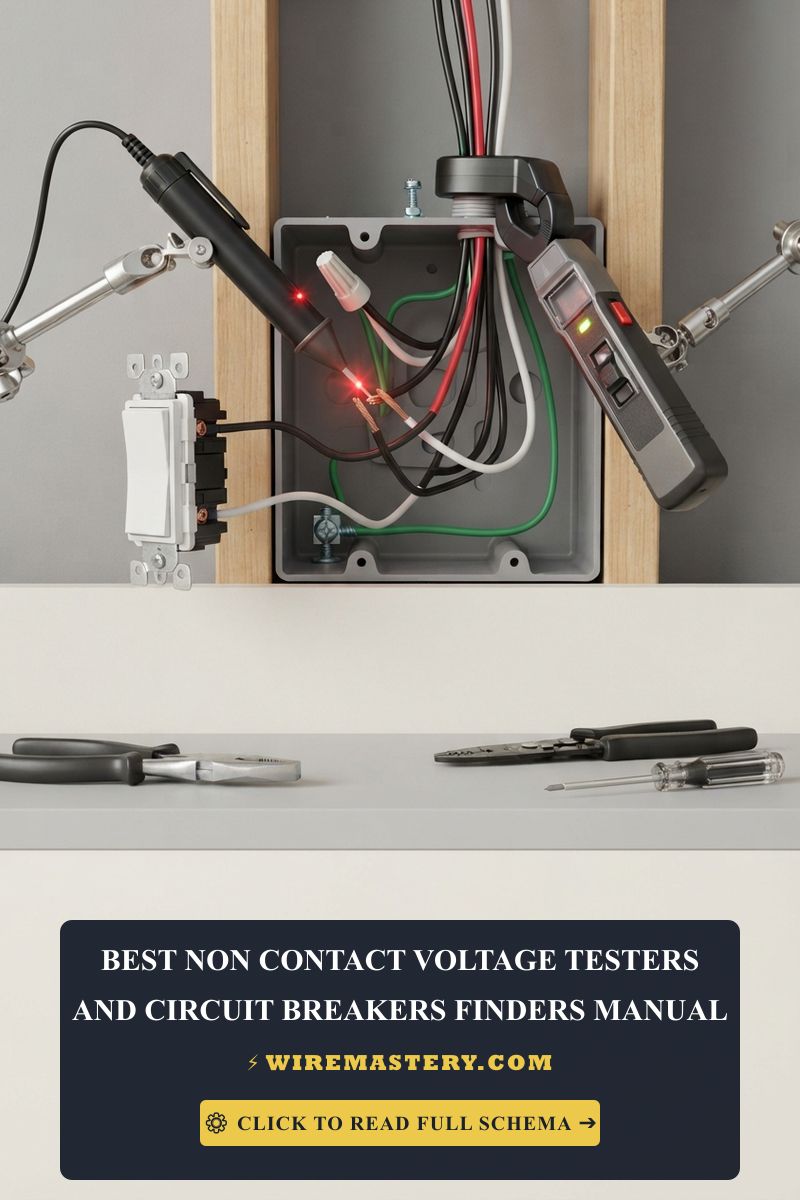
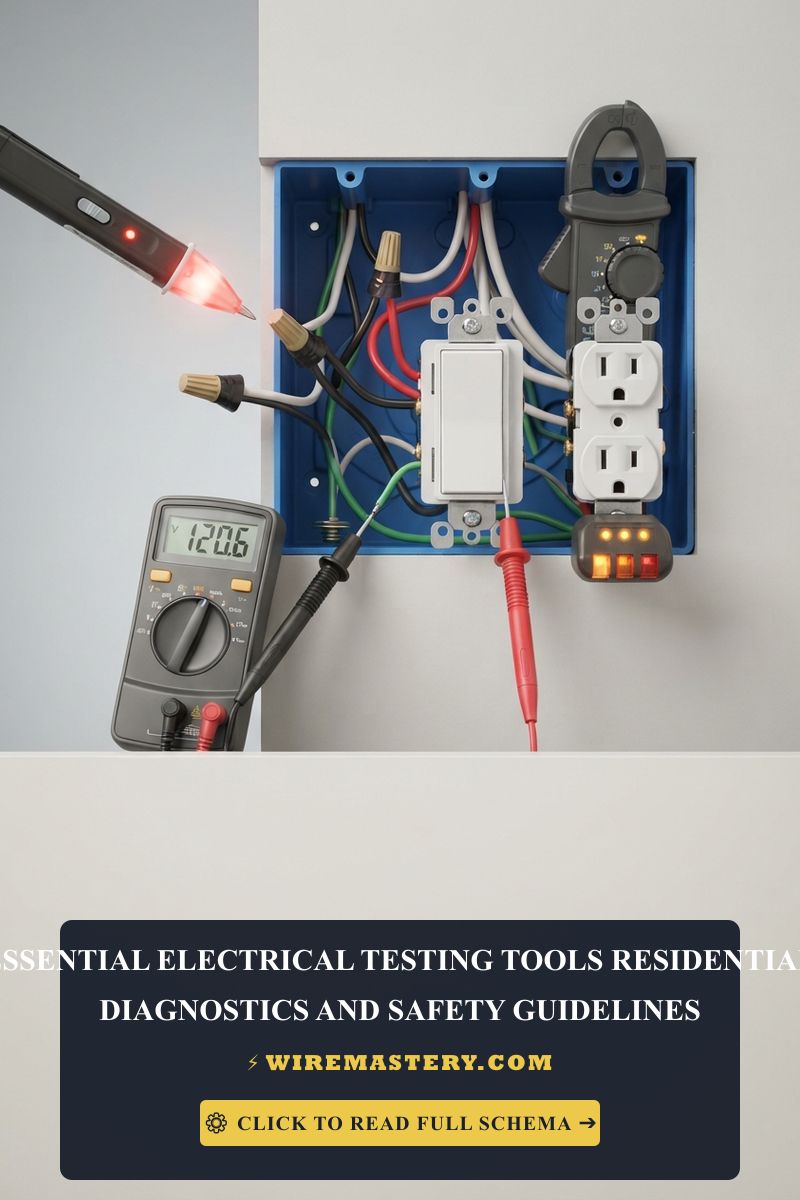
Successful electrical installation requires a variety of specialized trade tools and safety equipment to ensure low-resistance contact mapping:
Hand & Power Tools
- Right-Angle Stud Drill: Supplies high torque to bore clean 7/8-inch holes through structural wood framing.
- Wire Strippers & Cable Rippers: Used to slit outer PVC protective sheaths cleanly without scoring internal individual conductor insulation.
- Pliers & Screwdrivers: Needle-nose and lineman’s pliers for bending wire, alongside insulated screwdrivers for installing outlets.
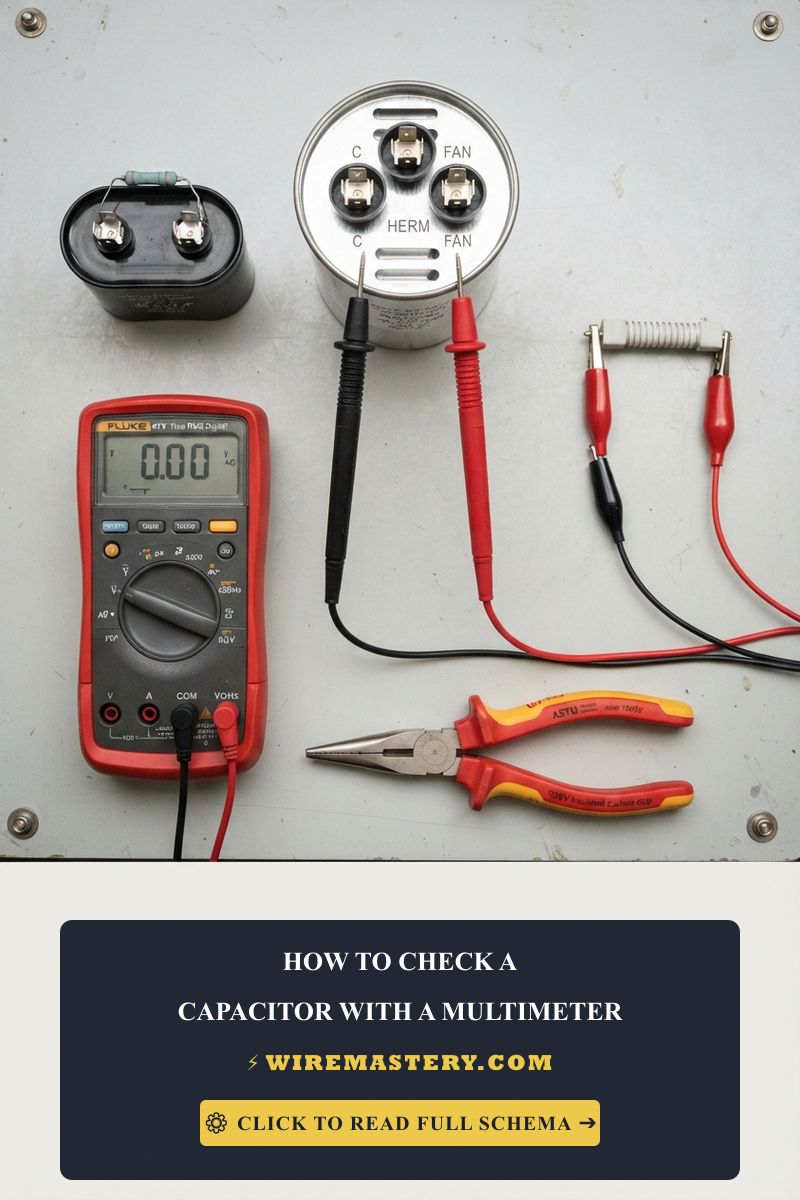
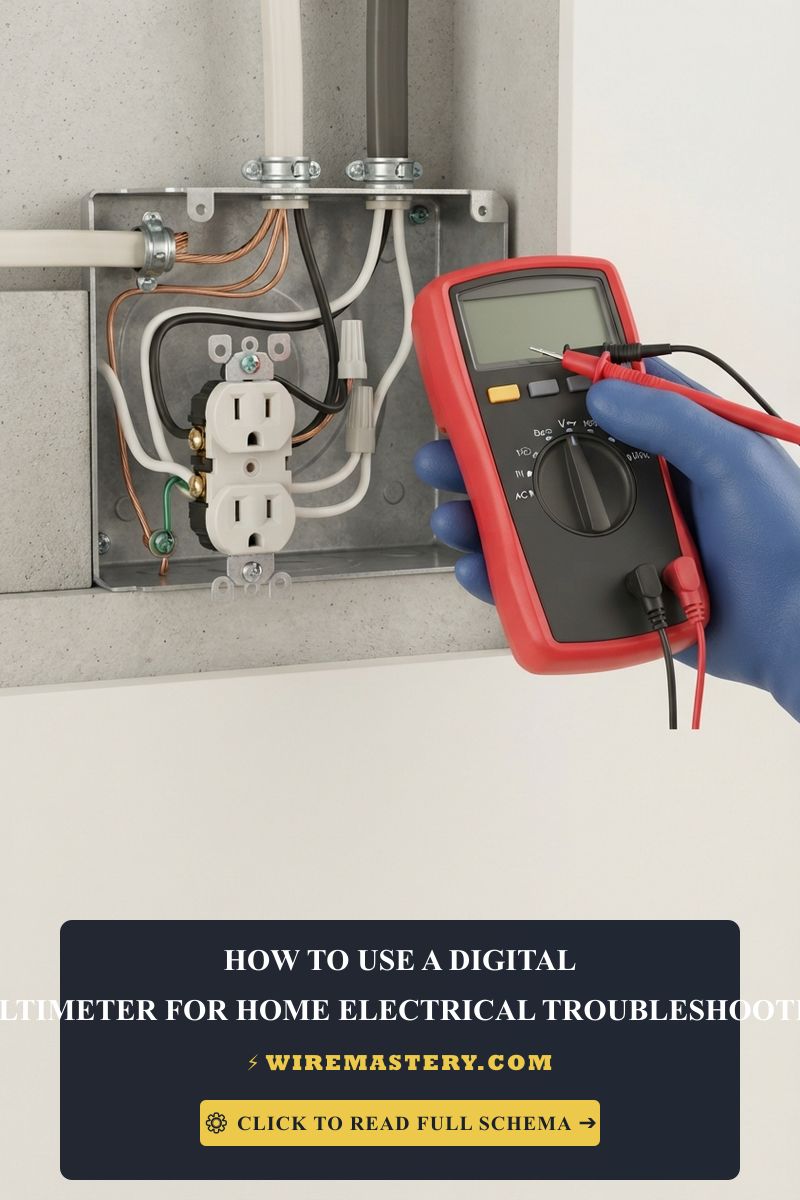
- Fish Tape & Multimeters: Useful for pulling wires through walls and checking real-time current balancing.
Safety Equipment
- Safety Glasses & Insulated Gloves: Vital gear to protect against debris and provide insulation against accidental electrical shocks.
The American Wire Gauge (AWG) Ampacity Matrix
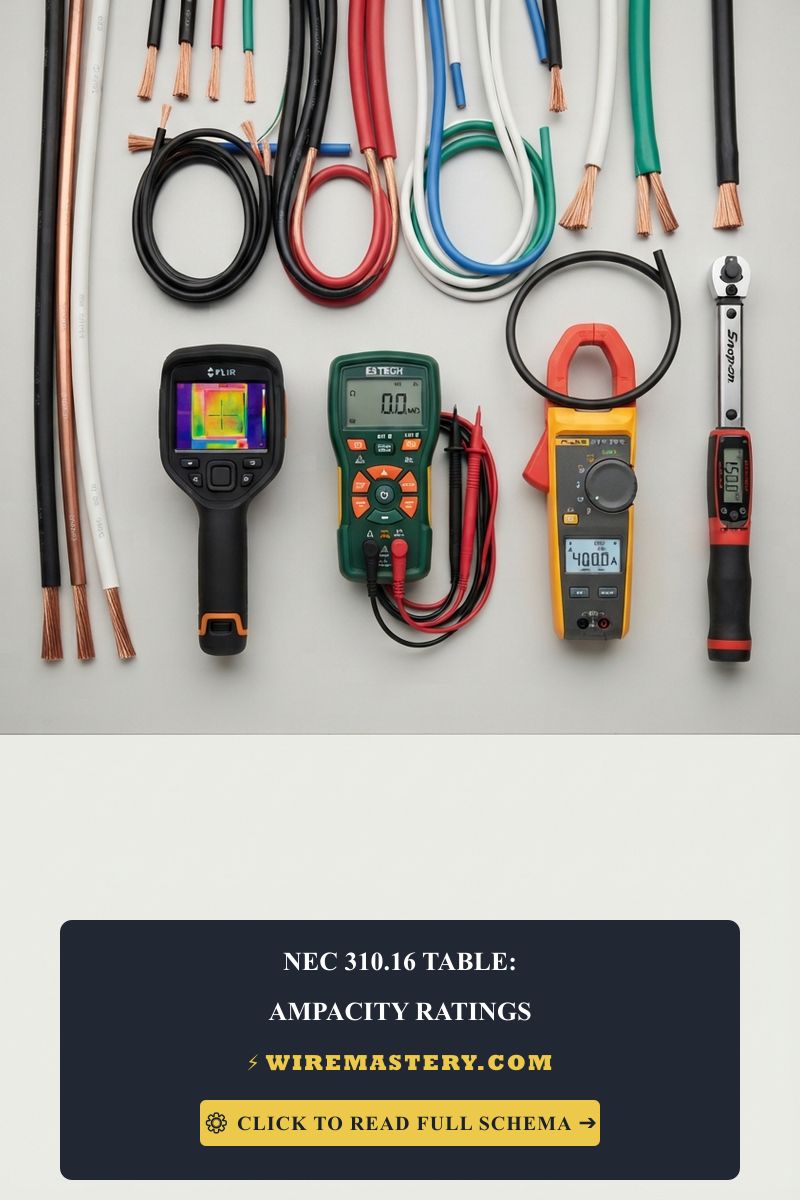
To avoid dangerous heat accumulation behind finished walls, you must match your structural wire size to the corresponding circuit breaker rating. Under-sizing a conductor violates federal building codes under NEC Article 310.16.
| Conductor Diameter (AWG) | Standard Romex Jacket Color | Maximum Overcurrent Protection | Primary Residential Application |
|---|---|---|---|
| 14 AWG Solid Copper | White | 15 Amps | General residential lighting branches and smoke detectors. |
| 12 AWG Solid Copper | Yellow | 20 Amps | Kitchen small appliances, bathroom plugs, and laundry loops. |
| 10 AWG Solid Copper | Orange | 30 Amps | Dedicated lines for central AC condensers and clothes dryers. |
| 8 AWG Stranded Copper | Black | 40 Amps | Heavy-duty dual-phase electric ranges and cooktops. |
| 6 AWG Stranded Copper | Black | 55 Amps | Main distribution lines feeding secondary 120V/240V subpanels. |
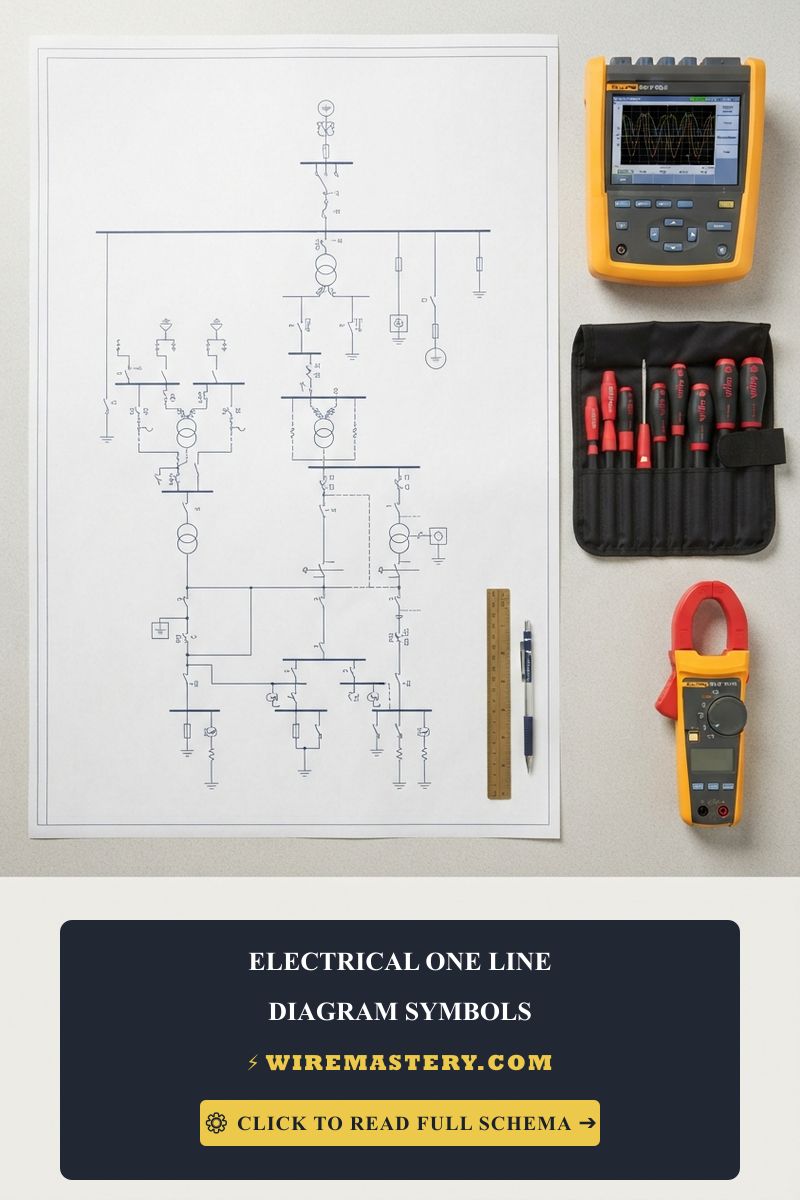
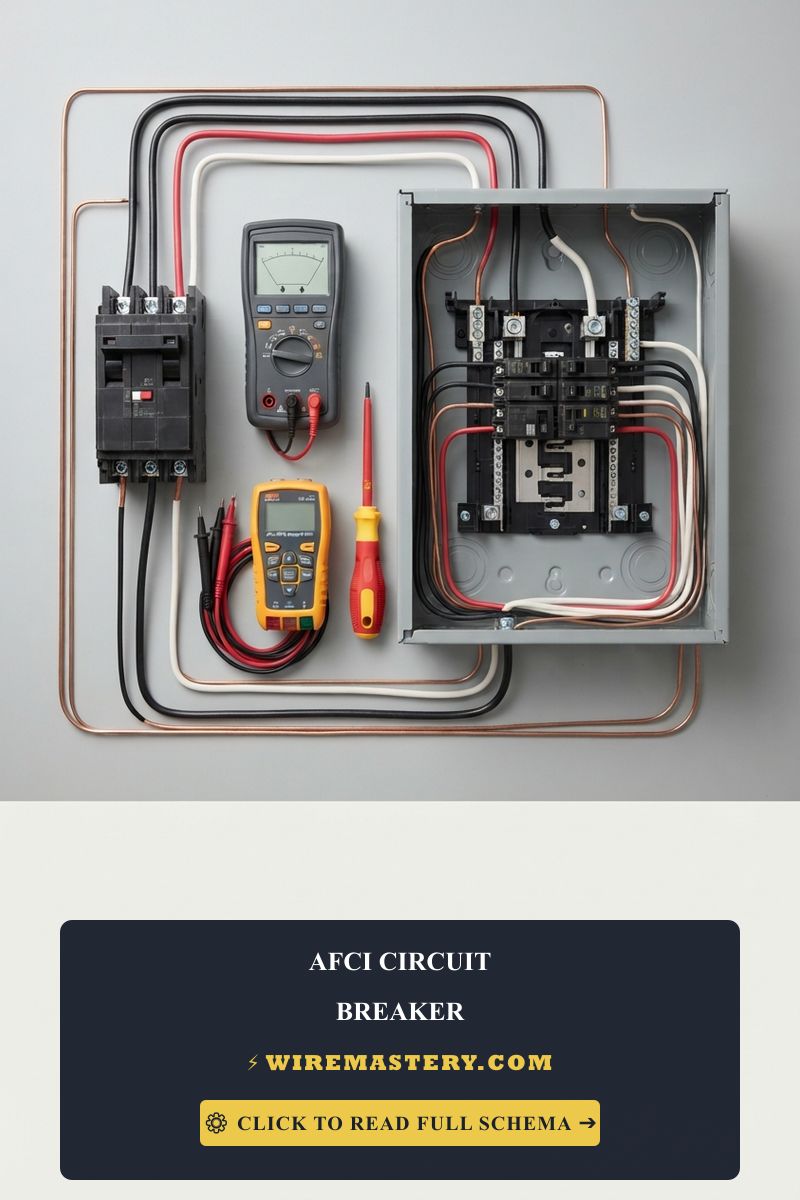
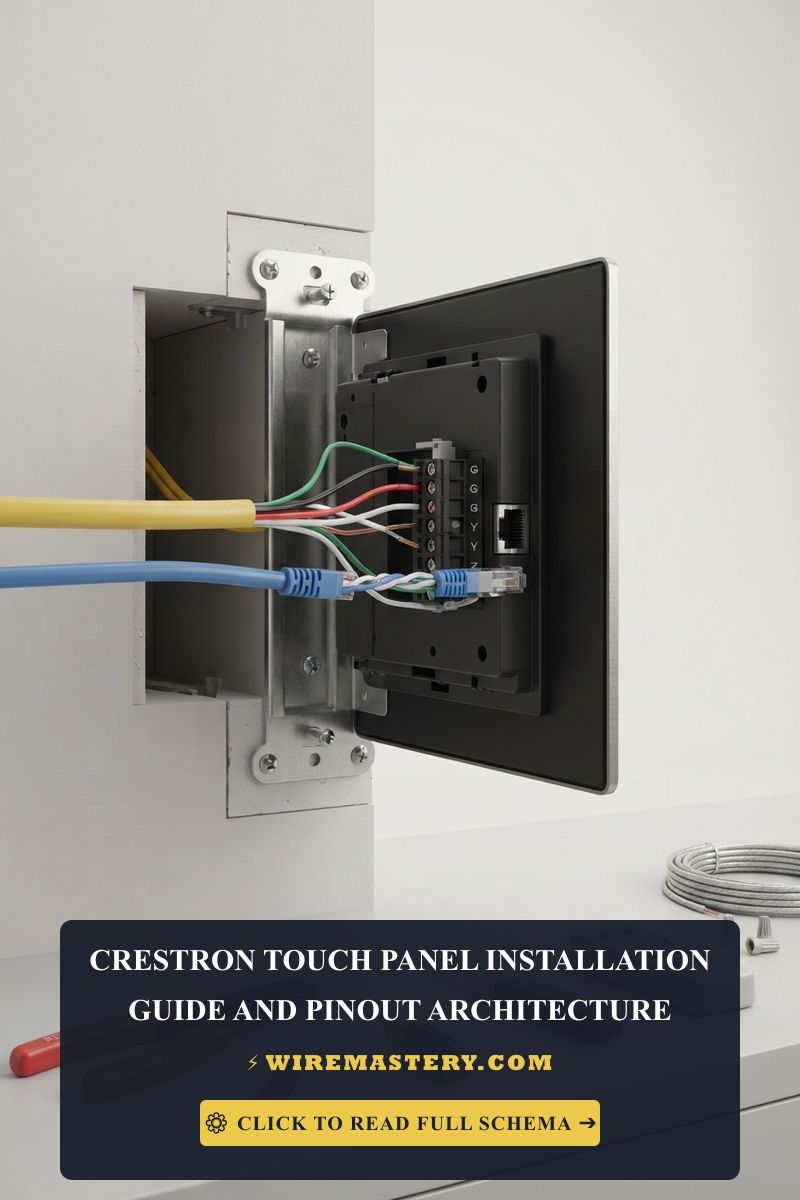
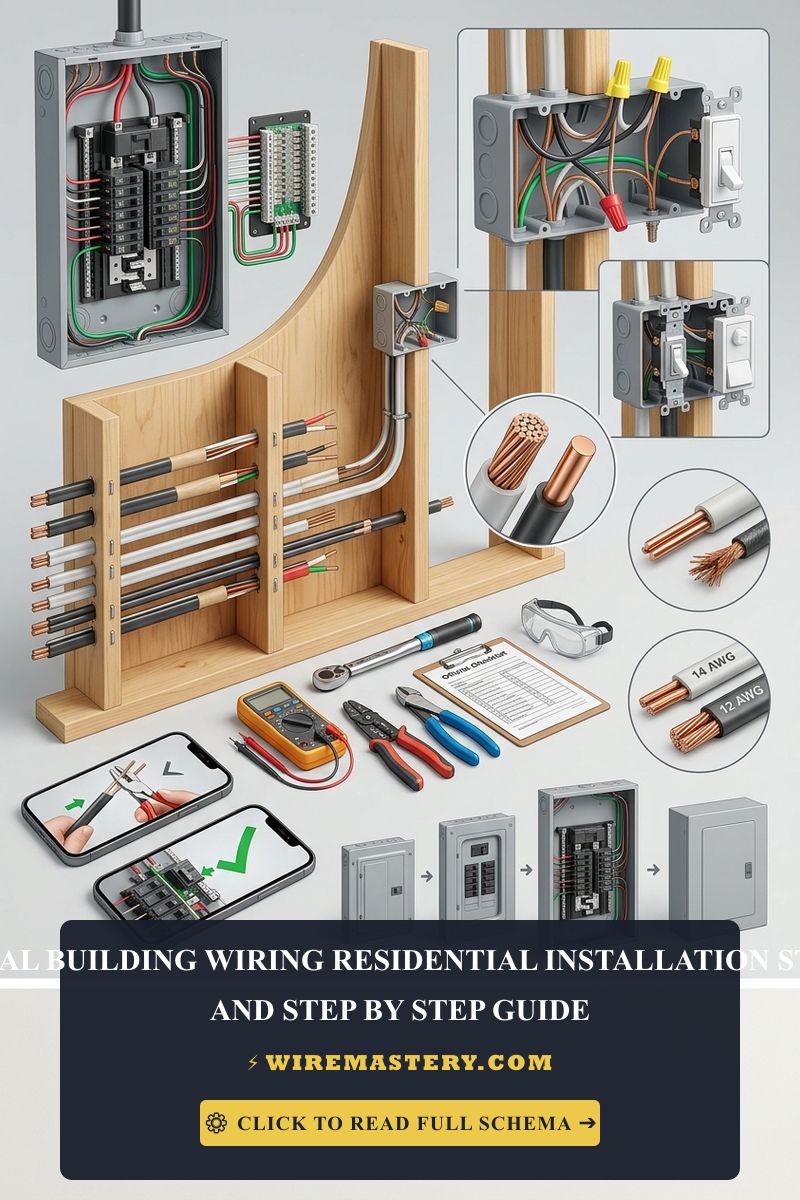
🛠️ Contractor Blueprint Reality Check: Look closely at the structural cable configurations showcased across your guide assets. Notice how professional rough-in loops maintain clear, orderly pathways without twisting or tight angles. When passing multiple cables through a single bored hole, always account for temperature derating factors to prevent heat accumulation inside the wall framing.
Wiring Methods, Grounding, and Circuit Architecture
Understanding various wiring methods and circuit layouts is essential for full compliance with national standards:
Residential Wiring Methods
- Romex Wiring: Non-metallic sheathed cable (NM) commonly used in residential homes for interior wiring pathways.
- Conduit Wiring: Uses metal or plastic conduits to protect wires in areas highly prone to potential physical damage.
- Underground Feeder (UF) Cable: Specifically designed for direct-burial outdoor and underground installations.
Circuit Typologies & Grounding
- Branch Circuits: Divided into general purpose circuits for lighting and dedicated circuits designed for specific appliances (refrigerators, AC units).
- Grounding and Bonding: Proper grounding electrode systems (ground rods/plates) protect against electrical surges, while bonding connects equipment to maintain the same electrical potential and avoid fault currents.
Step-by-Step Residential Rough-In Installation Manual
1. Architectural Box Placement and Mounting
Map out your outlet and switch locations following your blueprint. Mount your plastic or fiberglass gang boxes directly to the wood studs using integrated framing nails or screws. Ensure the front lip of the box extends exactly 1/2 inch past the face of the bare stud so it sits perfectly flush with the future drywall face.
2. Structural Stud Boring and Clearance Enforcement
Bore horizontal pathways through the center of your wood framing using a right-angle drill outfitted with a 7/8-inch auger bit. If structural constraints force you to drill a hole closer than 1.25 inches from either stud edge, you must install a heavy-duty 16-gauge steel nail plate onto the face of the stud to protect the wires from drywall screws.
3. Routing and Stapling the Romex Harness
Pull your NM-B Romex cable bundle smoothly from your wire reel through the bored stud tracks. Avoid tight, hard bends; maintain a minimum bend radius of at least 5 times the overall diameter of the cable. Secure lines using insulated staples within 12 inches of the box enclosure, and drive a staple every 4.5 feet along the run.
4. Box Termination and Conductor Stripping
Feed the cable lines through the integrated plastic spring-tabs at the rear of your gang boxes. The outer PVC sheath jacket must extend a minimum of 1/4 inch past the box clamp for full mechanical protection. Strip away the outer sheath to leave exactly 6 inches of free individual conductors hanging out of the box face for final device wiring.
Common Inspection Failures & Code Highlights
- Pinching Cables with Staples: Driving steel staples too deep crushes the insulation. Under load, this compression creates a high-resistance hotspot that arcs over time, melting the casing and triggering a hidden wall fire.
- Violating the 6-Foot Receptacle Spacing Rule: Under NEC Article 210.52, wall receptacle outlets in residential living rooms must be positioned so that no point measured horizontally along the floor line is more than 6 feet away from an outlet, preventing the use of dangerous extension cords.
- Overloading Box Fill Volume Capacities: Stuffing too many conductors, wire nuts, and devices into a small single-gang box is a major code violation. Conduct a strict box volume calculation based on NEC Table 314.16(B) to determine if you need to upgrade to a deep 22-cubic-inch box enclosure.
National Construction Codes & Safety Standards
Adhering to strict electrical installation codes shields your home investment, maintains property valuation, and ensures full insurance compliance. The National Electrical Code strictly regulates general residential wiring, device bounding, and structural overcurrent devices under NEC Article 300 (Wiring Methods), Article 314 (Outlet Boxes), and Article 334 (Nonmetallic-Sheathed Cable). Bypassing these structural safety parameters can result in immediate inspection failures or absolute denial of coverage during a thermal structural crisis.
For current NFPA 70 guidance on residential branch circuits, box fill, conductor dimensions, and rough-in wiring, consult the Official NFPA 70: National Electrical Code (NEC).
Conclusion
Electrical wiring in residential buildings is a complex task that demands adherence to established standards and codes to ensure safety and functionality. Familiarity with the NEC, proper tools, wire selection, and disciplined rough-in installation techniques are essential for successful outcomes. By following these guidelines, contractors and electricians can perform high-quality work that meets or exceeds safety standards, ultimately protecting both the homeowner and the integrity of the electrical system. Always prioritize safety and compliance in every residential electrical project.