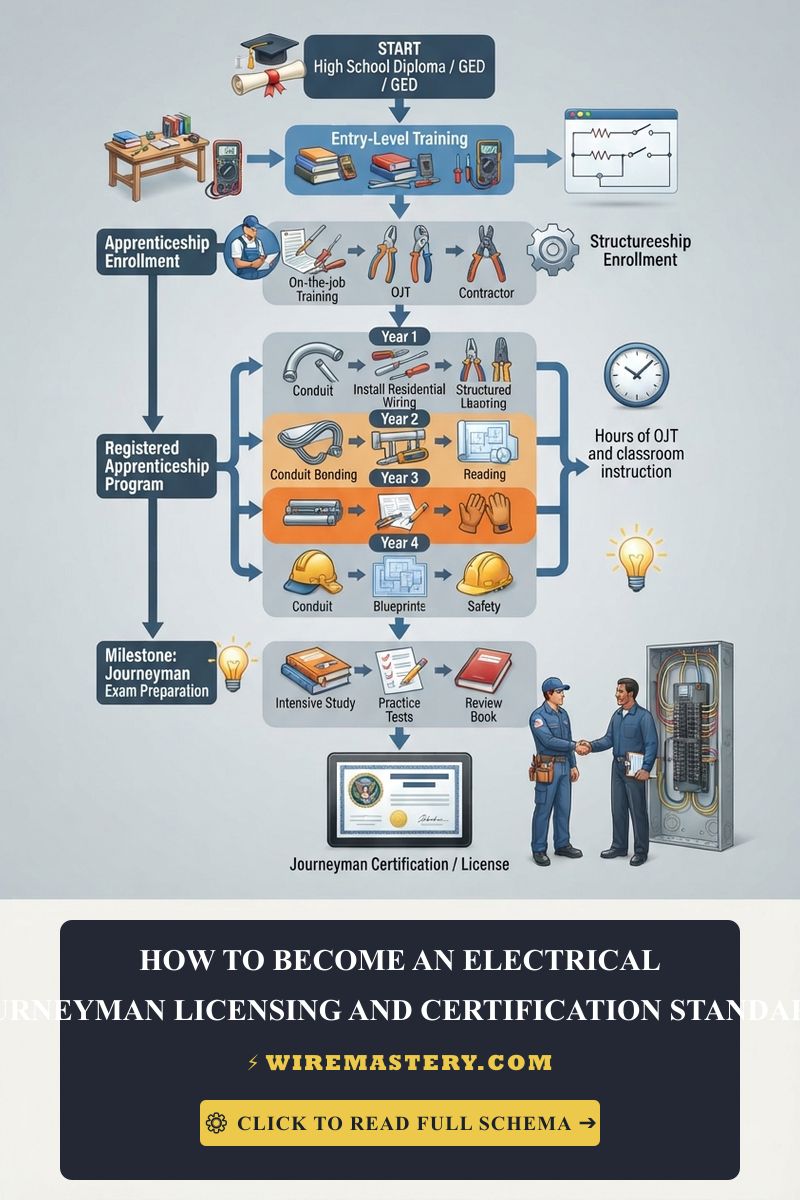
How to Become an Electrical Journeyman: Licensing Standards
Advancing from a trade apprentice to a certified, state-licensed electrical journeyman within the United States construction infrastructure demands a rigorous multi-year commitment to mastering applied physics, advanced system mathematics, and rigid safety regulations. Achieving a journeyman credential indicates that an operator possesses the proven technical competency to engineer, install, and troubleshoot complex commercial and high-density residential electrical networks independently without structural supervision. However, navigating this professional pipeline requires a precise understanding of localized state board frameworks; requirements are heavily gated by exact on-the-job training (OJT) logs and strict classroom testing thresholds. Bypassing systematic study methodologies for the state board exam is the primary reason why up to 50% of field apprentices fail their initial licensing attempt, blocking career progression.
This career blueprint outlines the exact breakdown of mandatory field hours, the core mathematical calculation parameters required to pass state board exams, and essential laboratory instrumentation frameworks.
Core Professional Certification Parameters
Before submitting your official application to a state licensing board center, verify that your trade portfolio satisfies these foundational criteria:
- The 8,000-Hour Field Boundary: The baseline benchmark across most jurisdictions dictates logging a minimum of 8,000 hours of documented on-the-job training under the continuous supervision of a licensed Master Electrician. This volume translates into roughly four to five years of full-time, high-density trade experience spanning residential rough-ins, commercial conduit bends, and industrial distribution tasks.
- The Classroom Instruction Mandate: Alongside physical field hours, apprentices must complete 500 to 1,000 hours of accredited classroom instruction. Curriculum parameters enforce mastery over AC/DC electrical theory, motor control logic arrays, blueprint schematics reading, and structural National Electrical Code (NEC) interpretation methodologies.
- The Continuing Education Track: A journeyman credential is not permanent. Under licensing board safety rules, operators must execute 8 to 16 hours of certified continuing education courses during every three-year code cycle to maintain active status, focusing on safety upgrades and technological advancements.
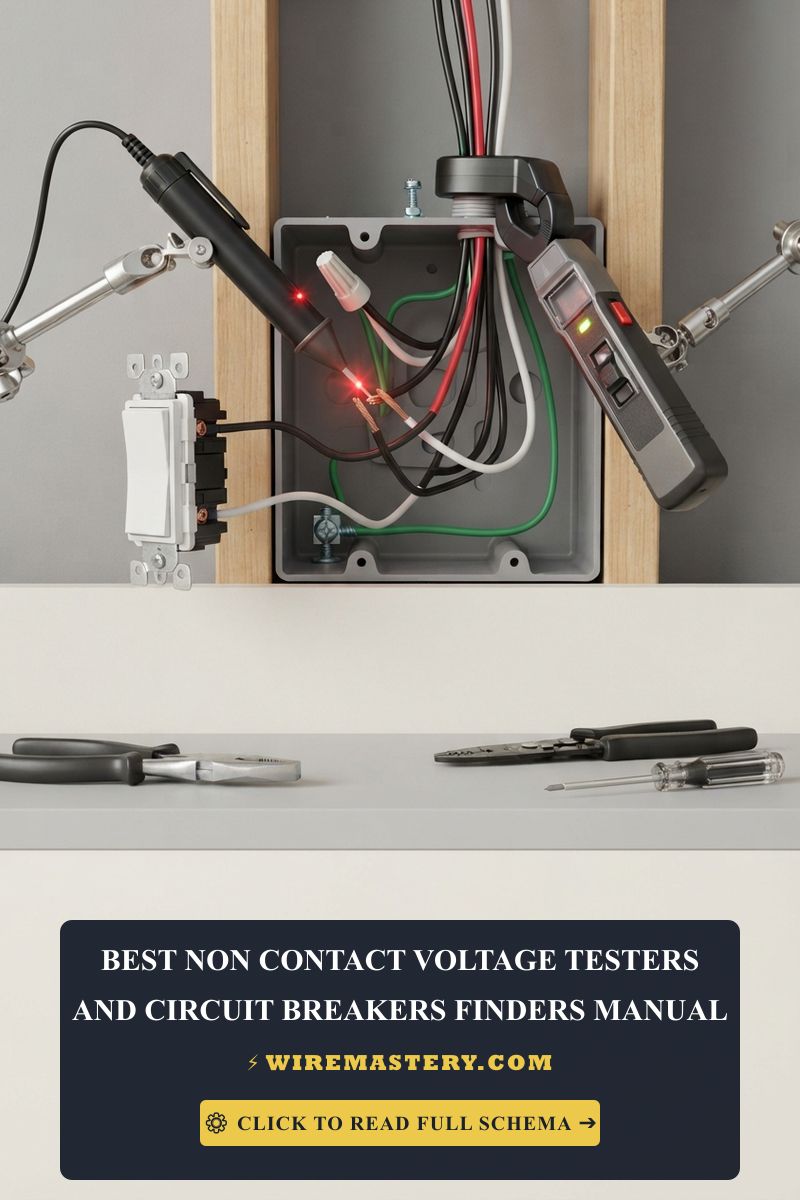
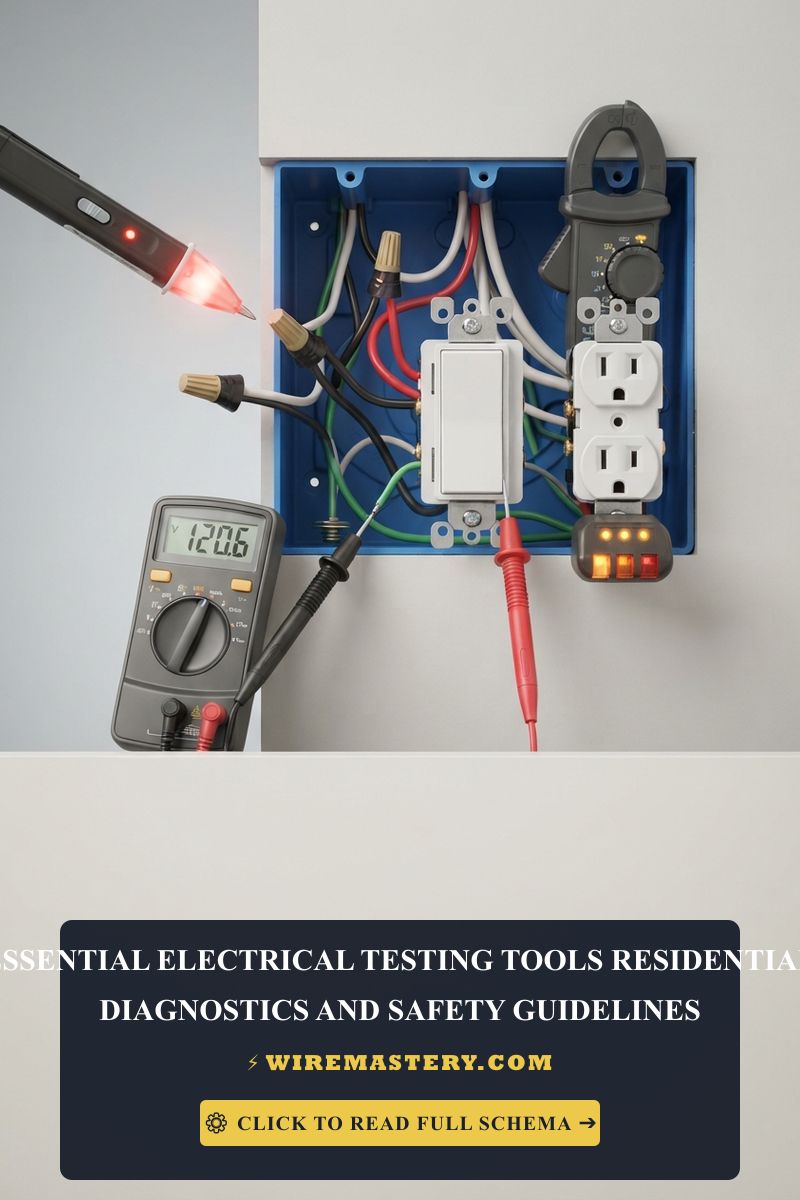
Technical Materials & The Master Journeyman Diagnostic Testing Toolkit
To execute commercial field service commissions independently and pass open-book state examination practical brackets, a journeyman masterfully deploys this high-tier tool array:
| Industrial Electrical Tool | Primary Engineering Purpose & Trade Safety Metric |
|---|---|
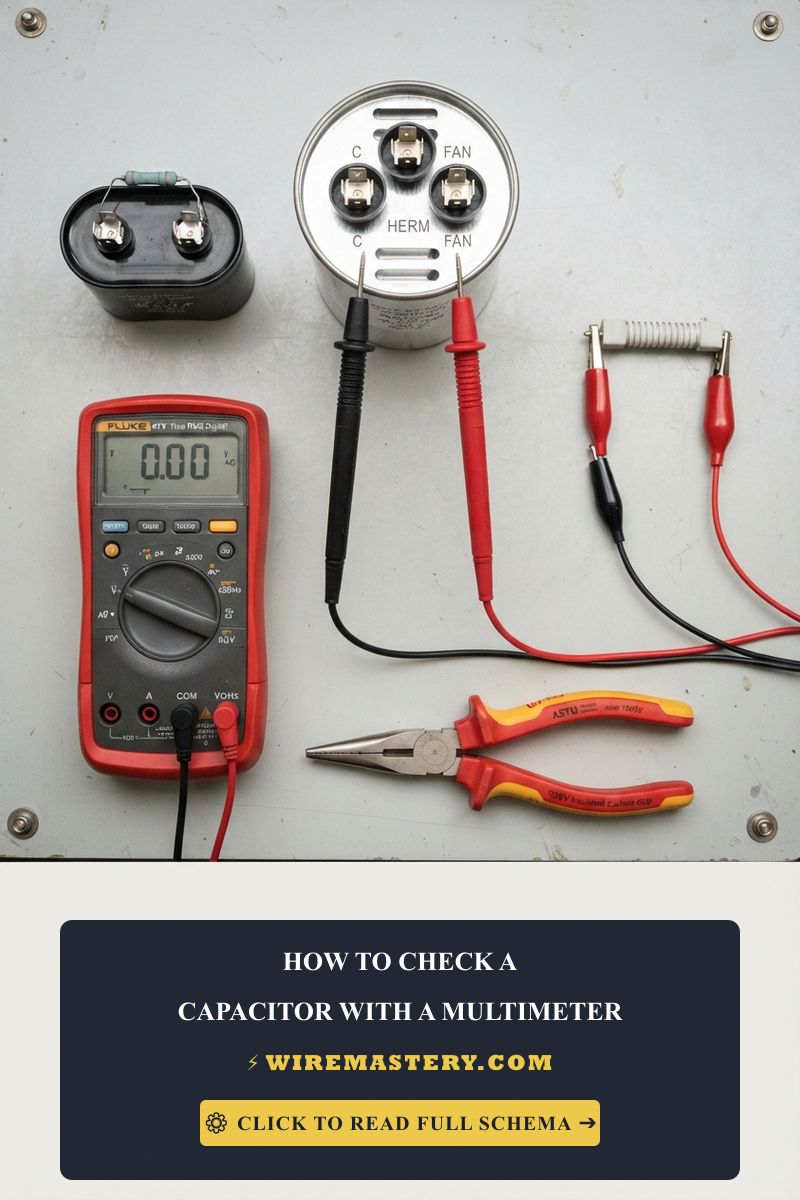
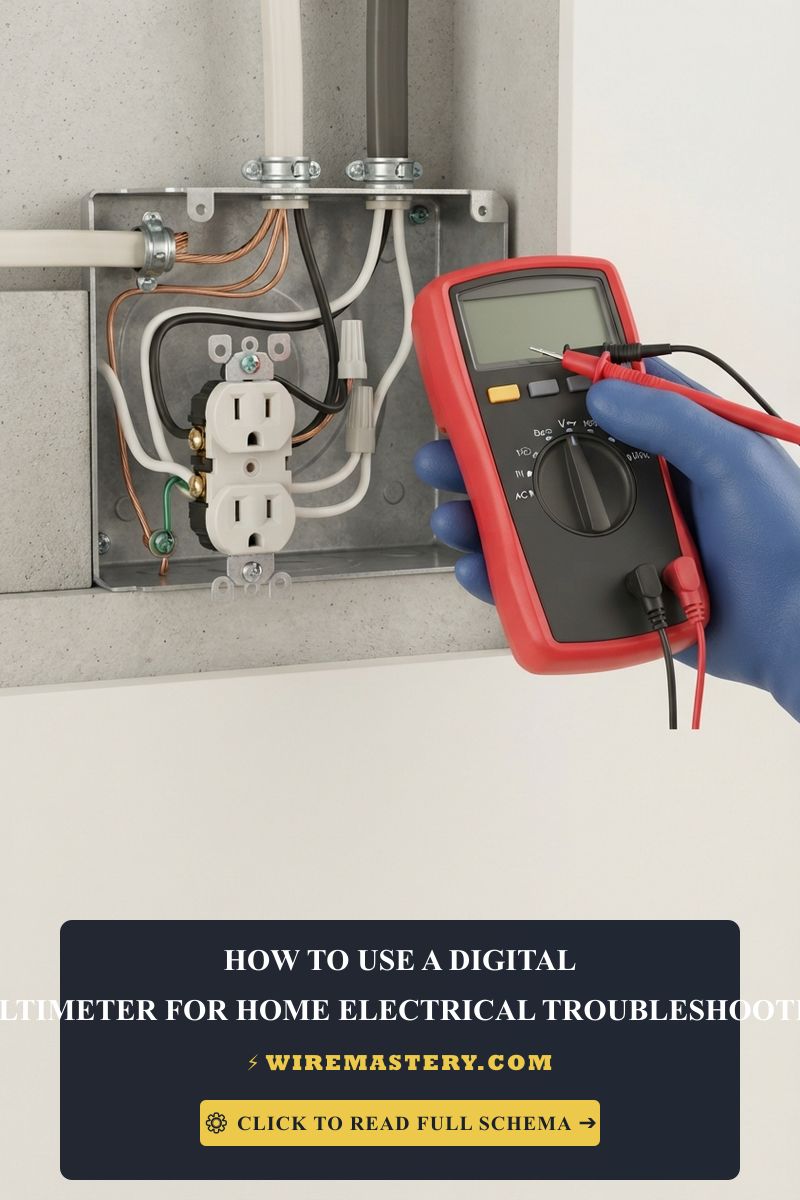
| True RMS CAT IV Multimeter | category CAT IV 600V certified to capture line-voltage dropouts inside utility gutters. |
| Digital Earth Ground Resistance Tester | Measures soil moisture impedance values to verify property grounding rod grids meet codes. |
| Insulated ASTM F1505 Hand Tools | Pliers, cutters, and square-drivers certified to protect flesh from up to 1000V AC arcs. |
| The Official NEC Tabs Manual | Calibrated index tabs applied to your NFPA 70 handbook to navigate code lookups under tight time limits. |
| Acoustic / Circuit Tracing Scanner | Injects a digital frequency signal down hidden conduit tracks to map complex wall paths. |
Sizing Conductor Cross-Sections & System Overcurrent Boundaries
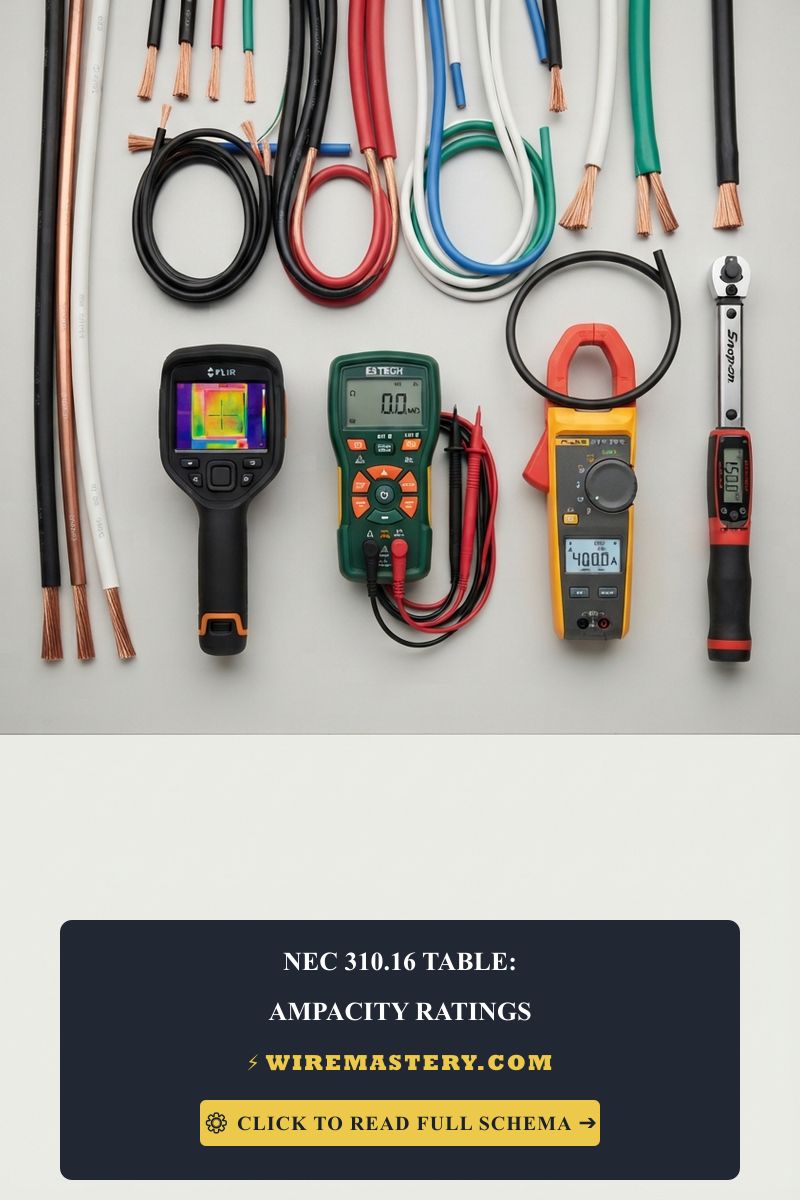
A core competency tested during the journeyman examination loop is the mathematical matching of conductor insulation profiles to primary overcurrent protection devices under NEC Article 310.16 parameters:
- 14 AWG Conductor Core (15-Amp Circuit Limit): Solid copper wire assigned to basic residential convenience loops. Standard white sheathing.
- 12 AWG Conductor Core (20-Amp Circuit Limit): Stranded or solid copper wire assigned to small appliance branch circuits (SABC). Standard yellow sheathing.
- 10 AWG Conductor Core (30-Amp Circuit Limit): Mandatory diameter parameter engineered to handle heavy appliances like electric water heaters and central air conditioning compressors.
- The Temperature Correction Sizing Factor: Journeymen must calculate wire diameter upscaling when conductors route through high ambient temperature zones (such as industrial rooftops or attic cavities), applying derating matrices to prevent progressive insulation jacket decay.
Technical Phase 1: Mastering the State Board Exam Calculation Matrices
To successfully pass the state board licensing examination, an apprentice must look past simple terminology questions and master the complex applied calculations mandated by the NEC under Article 220 and Article 310:
1. The Feeder Demand Factor Ohm’s Calculation
Candidates are frequently tasked with sizing the primary feeder conductors supplying a high-density apartment block or commercial expansion. You must calculate the net Volt-Amperes (VA) load by compiling general lighting demands at 3 VA per square foot, adding dedicated laundry and small appliance allocations, factoring continuous equipment arrays at 125% headroom parameters, and applying demand reduction filters from NEC Table 220.42 to derive the exact minimum circular mil wire gauge needed.
2. The In-Circuit Voltage Drop Mathematical Equation
An essential open-book examination question forces the candidate to calculate line-voltage attenuation over long distances to prevent motor starvation. Journeymen deploy the standard single-phase geometric resistance equation:
V_d = (2 × K × I × L) / C_cm
Where K represents copper’s resistance constant (12.9 Ω·cmil/ft), I equals active current amperage, L represents the one-way distance path in feet, and C_cm represents the cross-sectional area in circular mils. Mastering this math ensures you can upscale conductor diameters accurately to keep line drops strictly below the 3% code-compliant threshold.
Technical Phase 2: Board Registration & Open-Book Exam Strategies
Once your apprenticeships logs satisfy the 8,000-hour boundary, you must execute the final regulatory registration sequence and master open-book navigation tactics to pass the state examination.
1. The Professional Hierarchy: Journeyman vs. Master Electrician
Understanding your licensing tier dictates your legal operational boundaries under local construction codes:
- The Journeyman Electrician: Certified to execute all structural electrical installations, branch loops routing, subpanel terminations, and complex diagnostics independently. However, a journeyman cannot pull local building permits, sign off on master blue-print layouts, or operate an independent contracting business.
- The Master Electrician: The highest tier of electrical trade certification. Requires an additional 2 to 4 years of active journeyman field service and a secondary, highly advanced engineering examination. A Master Electrician can legally operate a commercial contracting enterprise, pull municipal permits, and design entire building distribution networks from scratch.
2. The Open-Book Code Speed Strategy (Navigating the NFPA 70)
The primary reason apprentices fail the journeyman exam is running out of time. The test is a race against the clock, demanding that you locate specific micro-clauses within the 900-page NEC volume in less than 2.5 minutes per question.
- Deploy a Standard Index Tabbing Matrix: You are legally permitted to bring an officially listed, pre-printed set of plastic index tabs attached directly to your NEC book. Tab all critical reference points: Article 220 (Calculations), Article 250 (Grounding), Article 310 (Conductors), and Chapter 9 (Tables).
- Master the Keyword Index Method: Never read through articles page by page during the test. If a question asks about “Conduit fill weight for liquidtight flexible nonmetallic conduit,” look up the specific keyword “Liquidtight” in the rear alphabetized index, extract the exact table number, and jump directly to the target page to secure your data parameter in seconds.
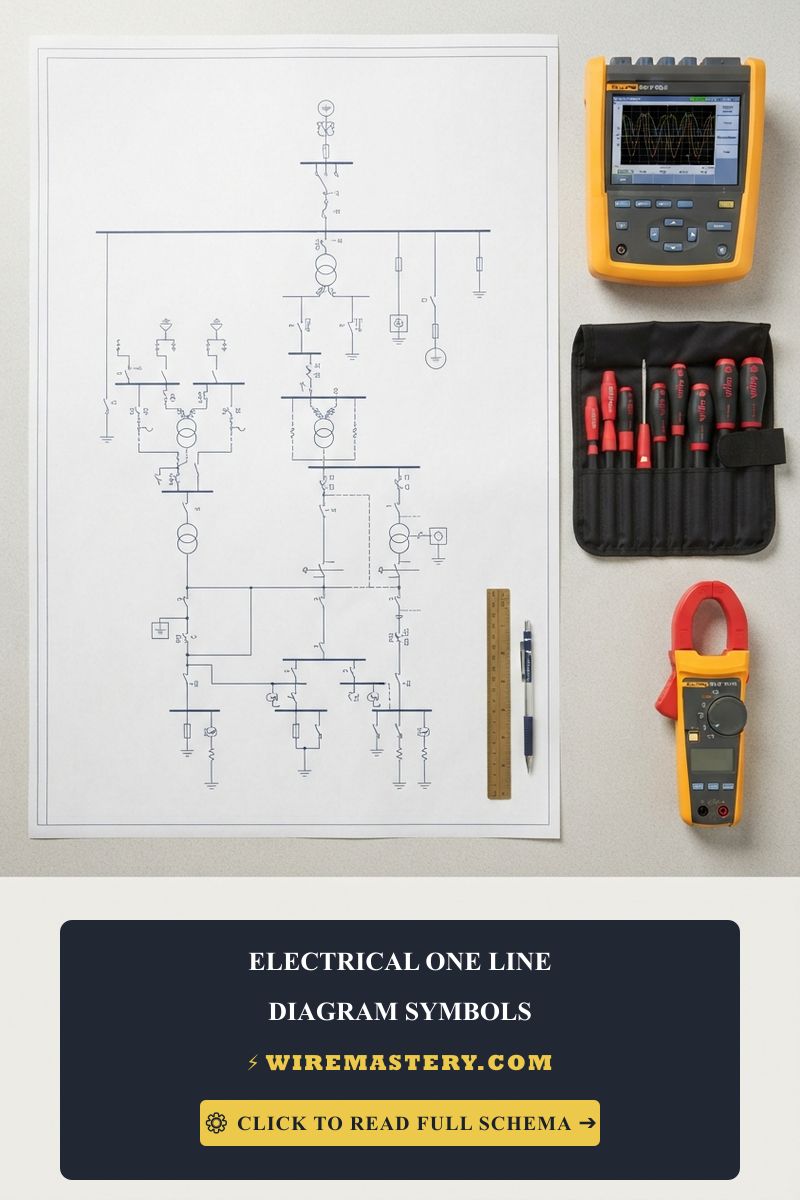
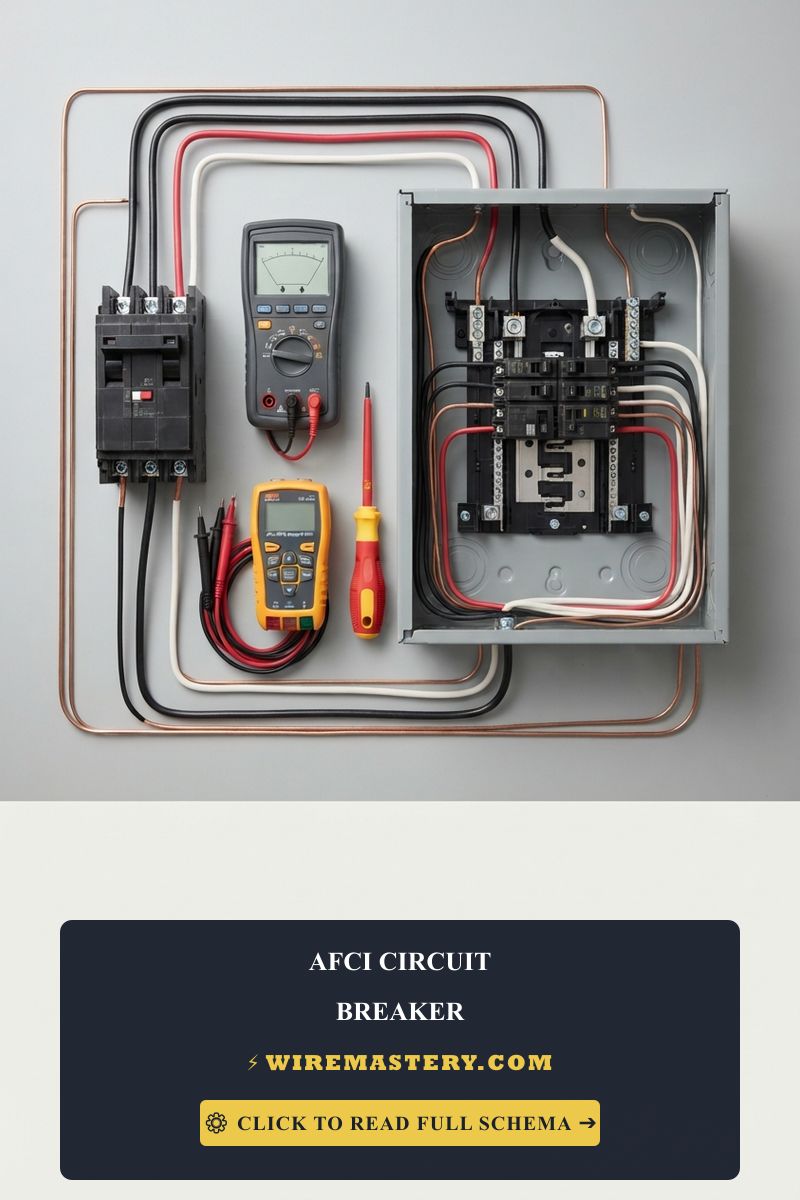
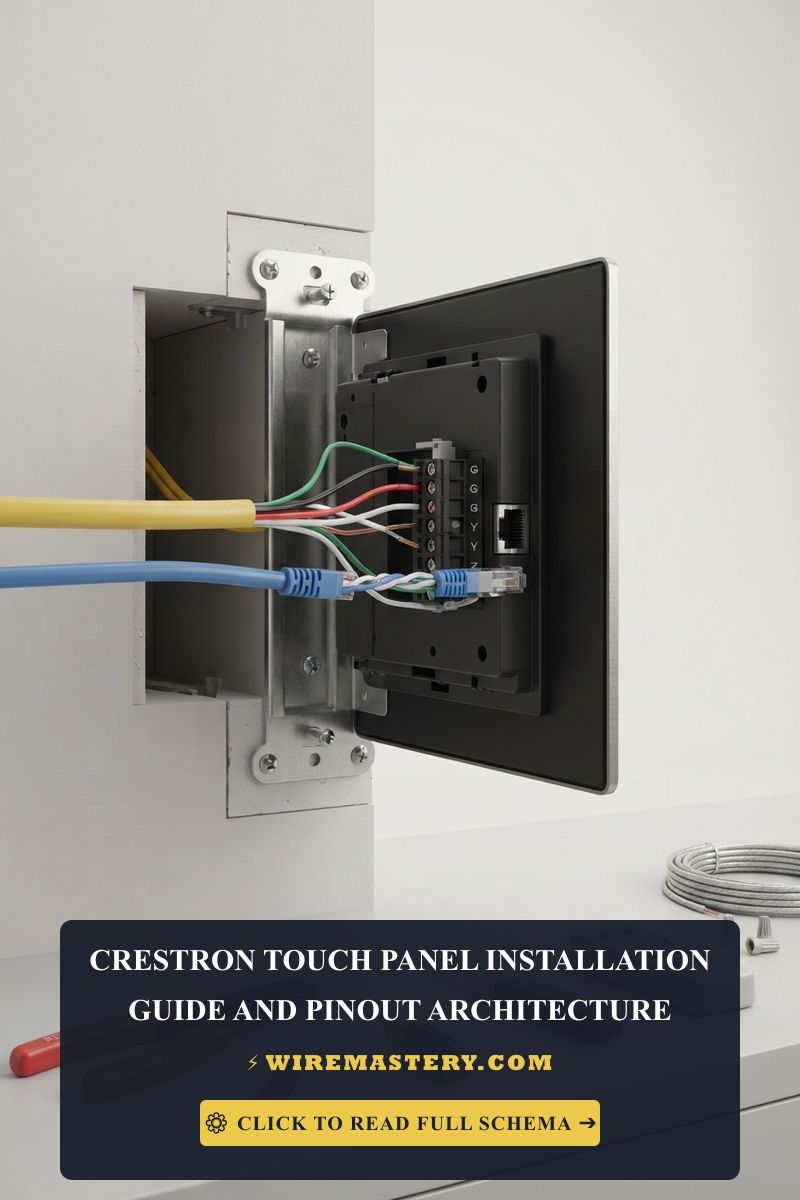
🛠️ Exam Volume Calculation Note: Look closely at the split-phase subpanel layouts and terminal configurations showcased across our master trade portfolios. A classic state board exam question forces the candidate to calculate box fill weight parameters under NEC Article 314.16(B). When packing a multi-conductor gang enclosure, remember that all ground wires combined count as only one single conductor volume deduction based on the largest ground wire in the box, while each mounting yoke strap deducts a double volume factor, ensuring your field setups prevent dangerous wire pinching faults.
Troubleshooting Common Examination Failure Modes
- Failing the Mathematical Sizing Bracket Due to Units Mismatches: A frequent mistake during feeder load calculation questions is mixing up Volt-Amperes (VA) and Watts (W) or neglecting to divide total Volt-Amperes by the system voltage (240V vs. 120V) to extract true current Amperage. Always write down your physical metric variables cleanly and double-verify if a question specifies a single-phase or three-phase utility loop before selecting your terminal wire size.
- Failing to Verify Local State Board Exceptions: While the state examination tests your comprehensive knowledge of the national NFPA 70 codebook, many jurisdictions (such as California or New York) enforce localized code amendments that override federal standards. For example, certain cities prohibit the utilization of non-metallic Romex sheaths, mandating rigid metallic conduits across all residential structures. Always study your local board’s supplement guides before testing day.
- Miscalculating Motor Continuous Load Headroom: When sizing circuit protection and conductors for a continuous hermetic motor compressor loop (such as a split system AC), you must size the branch wires at 125% of the motor’s full-load current (FLC) rating under NEC Article 440, preventing transient inductive startup spikes from tripping your thermal breakers.
National Electrical Code Professional Regulations
Adhering to strict national installation codes protects your property value, ensures full trade legitimacy, and shields your business from catastrophic legal liabilities. The National Electrical Code strictly regulates general electrical workforce requirements, component testing clearances, and device grounding integrity under NEC Article 90 (Introduction) and Article 110 (Requirements for Electrical Installations):
- Code Enforcement Rules (NEC Article 90.4): The local authority having jurisdiction (AHJ) maintains absolute legal responsibility for interpreting the rules, approving equipment materials, and granting special permissions or waivers across all residential and commercial building sites.
- Examination Safety Boundaries (NEC 110.3): All electrical systems and terminal devices must be installed strictly in full compliance with their original laboratory listing guidelines, making it a critical code violation for a journeyman to modify hardware structures outside manufacturer design parameters.
For current licensing and electrical-code requirements, consult the Official NFPA 70: National Electrical Code (NEC) and your local State Department of Professional Regulation Database before planning journeyman training or examination steps.
Conclusion
Successfully completing an accredited 8,000-hour apprenticeship program, mastering advanced feeder demand factor calculations under NEC Article 220, and executing precise high-speed code lookups using indexed NFPA 70 indices transforms complex trade preparation into a highly predictable, systematic science. By keeping conductor diameter choices aligned with overcurrent protection limits, enforcing strict grounding isolation across multi-gang subpanel enclosures, and respecting mandatory NEC spatial clearance boundaries, you establish yourself at the absolute peak of residential and commercial engineering craftsmanship. For final checks, complete panel breaker power isolation safety checkups, deploy CAT IV certified diagnostic tools, and execute every field technical phase with safety-first precision.