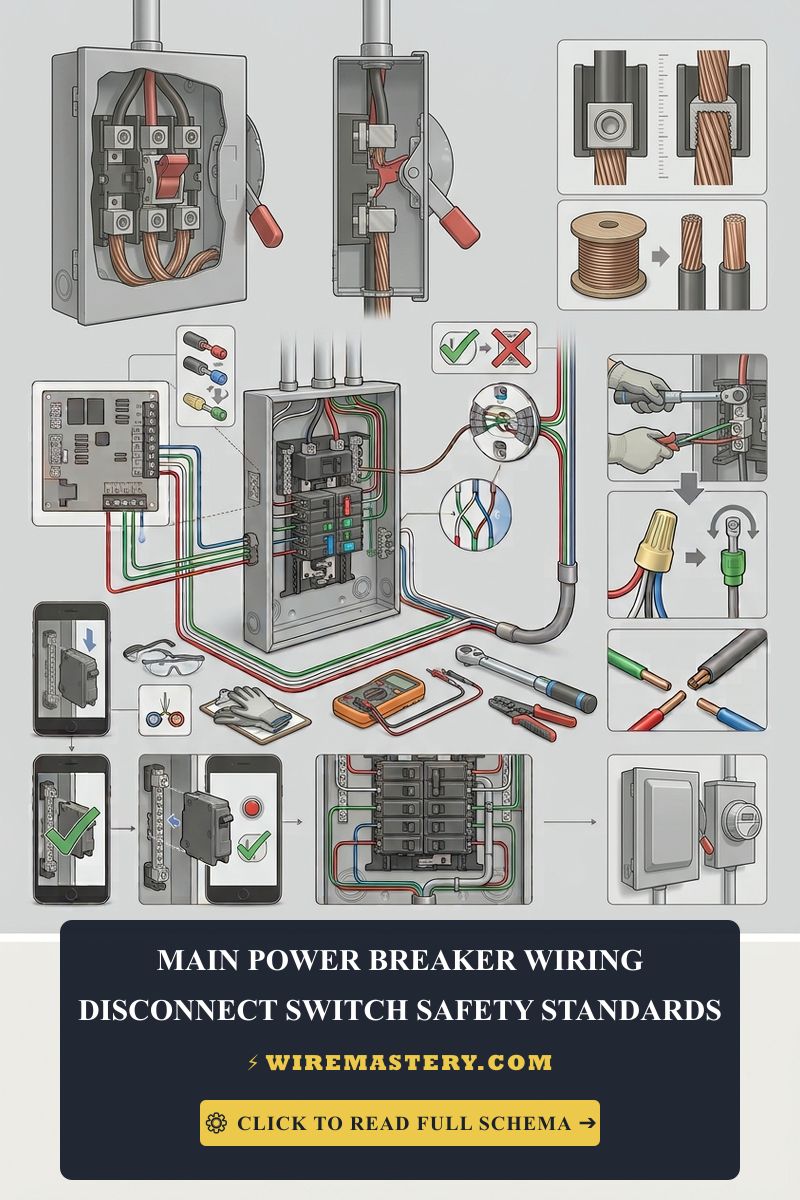
Main Power Breaker Wiring: Disconnect Switch Safety Standards
In the realm of residential electrical installations, ensuring safety and compliance with relevant regulations is paramount. Main power breaker wiring and disconnect switches are critical components that require strict adherence to safety standards as dictated by the National Electrical Code (NEC) and various industry best practices. This guide aims to provide contractors, electricians, and DIY enthusiasts with a comprehensive understanding of the wiring, installation, and safety standards surrounding main power breakers and disconnect switches.
Understanding Main Power Breakers and Disconnect Switches
What is a Main Power Breaker?
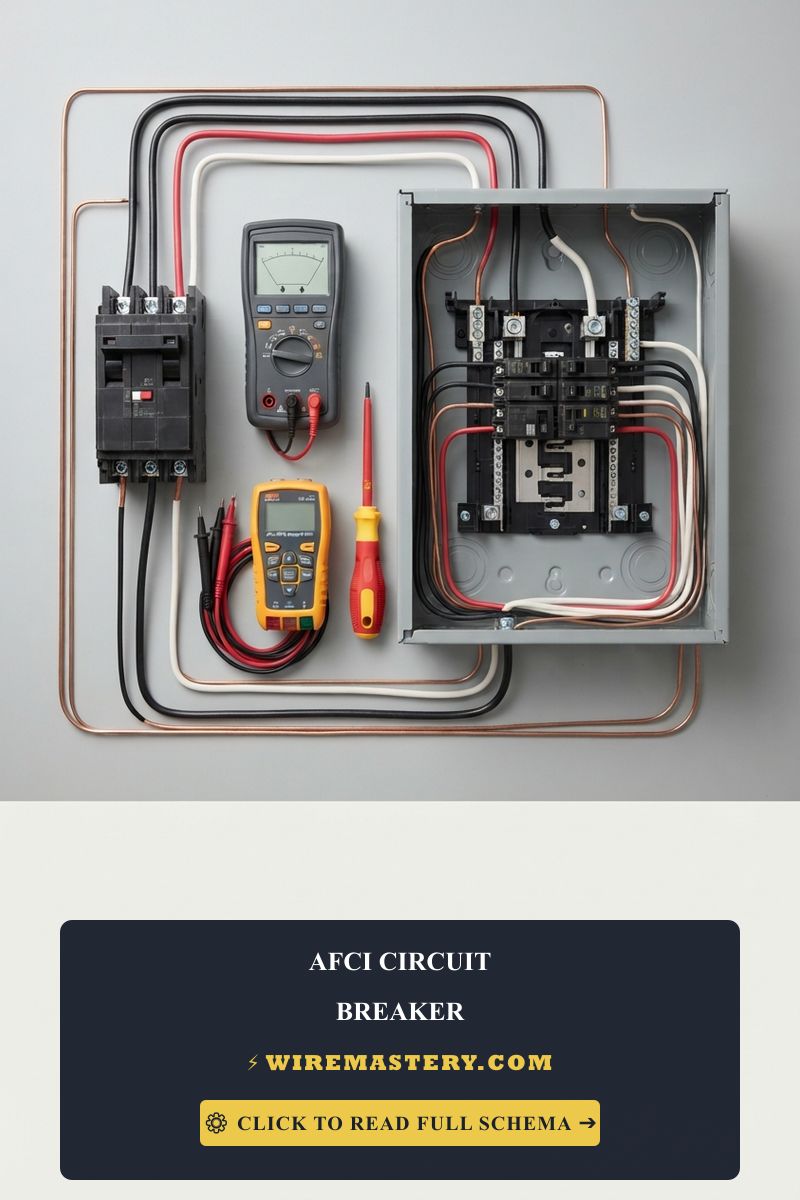
A main power breaker is a crucial element in an electrical system, serving as the primary means of disconnecting power from the service panel to the entire house. It protects the electrical system from overloads and short circuits, ensuring the safety of the home’s electrical infrastructure.
What is a Disconnect Switch?
A disconnect switch is a device used to isolate a circuit or equipment from the power source. It is essential for maintenance and emergency situations, allowing electricians to safely work on electrical systems without the risk of electric shock.
Importance of Compliance with Safety Standards
Compliance with safety standards is essential in preventing electrical hazards such as shocks, fires, and equipment damage. The NEC outlines specific requirements for the installation and use of main power breakers and disconnect switches, which must be followed to ensure the safety and reliability of electrical systems.
NEC Regulations for Main Power Breakers and Disconnect Switches
Overview of NEC Codes
The NEC is a set of regulations that govern electrical installations in the United States. It is updated every three years, and adherence to its standards is vital for safety and legality. Here are some key sections relevant to main power breakers and disconnect switches:
- Article 240: Overcurrent Protection - This section addresses the requirements for overcurrent protection devices, including breakers.
- Article 430: Motors, Branch-Circuit Conductors, and Controllers - This article discusses the requirements for disconnect switches for motors and other equipment.
- Article 705: Interconnected Electric Power Production Sources - This article contains provisions for systems that connect to the utility grid.
Specific NEC Requirements
-
Main Breaker Ratings (NEC 240.6)
- Main breakers must be properly rated for the load they will serve. The rating must match the service size, typically ranging from 100 to 400 amps for residential installations.
- Breakers must also have the appropriate interrupting capacity to handle potential fault currents.
-
Disconnect Switch Location (NEC 110.26)
- Disconnect switches must be easily accessible and located within sight of the equipment they control.
- A disconnect switch must be installed at the point where the service entrance conductors connect to the building.
-
Marking and Labeling (NEC 110.21)
- All disconnect switches must be clearly labeled to indicate their function and the circuits they control.
- Labels must be durable and able to withstand environmental conditions.
-
Installation Requirements (NEC 300.5)
- Conductors must be buried at a minimum depth specified by NEC, ensuring protection against physical damage.
- All wiring must be installed in compliance with NEC standards, including the use of proper conduit and cable types.
Tools and Materials Required for Installation
Essential Tools
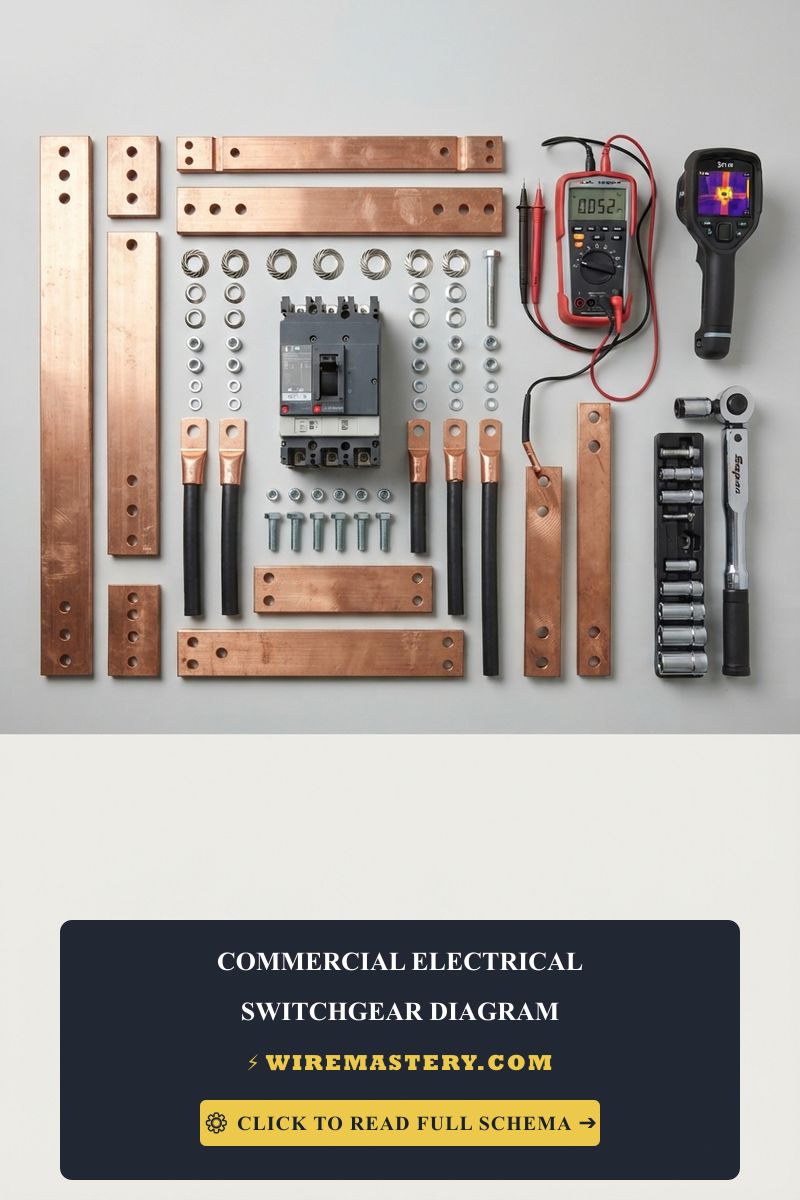
- Wire Cutters and Strippers: For cutting and stripping wire insulation.
- Screwdrivers: Flathead and Phillips for securing terminals.
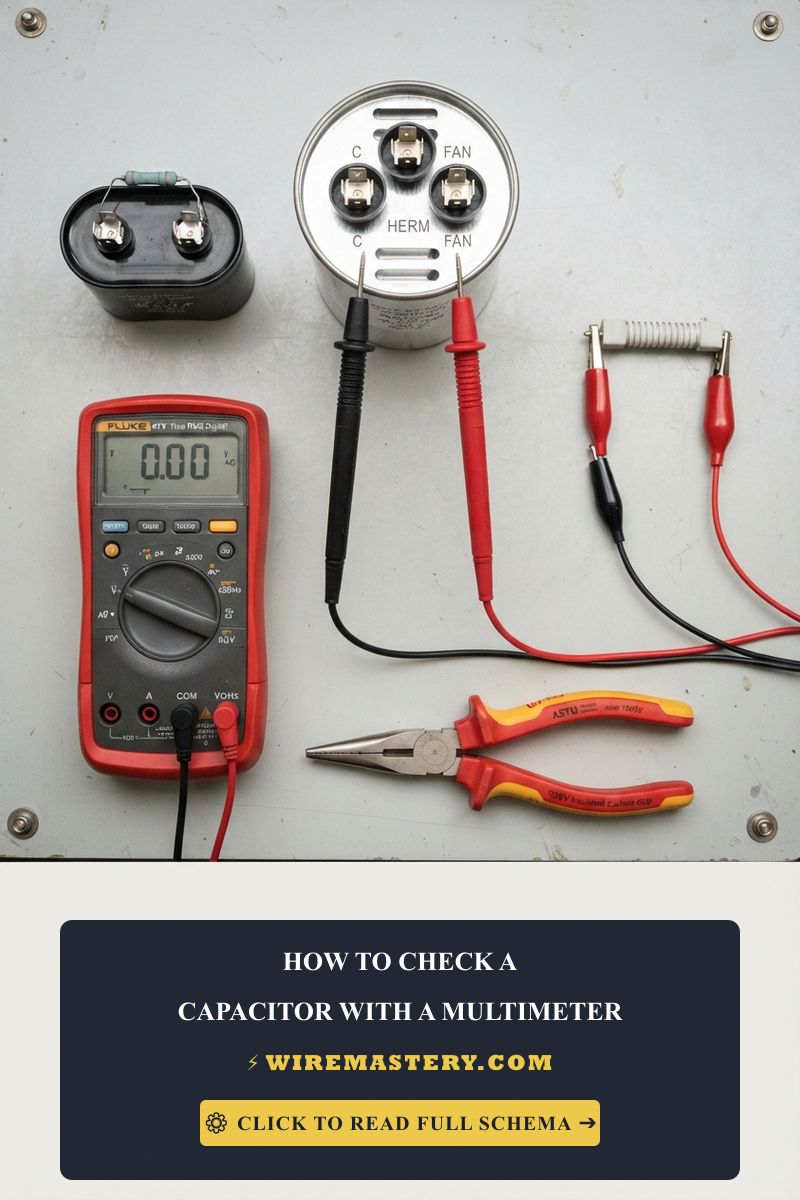
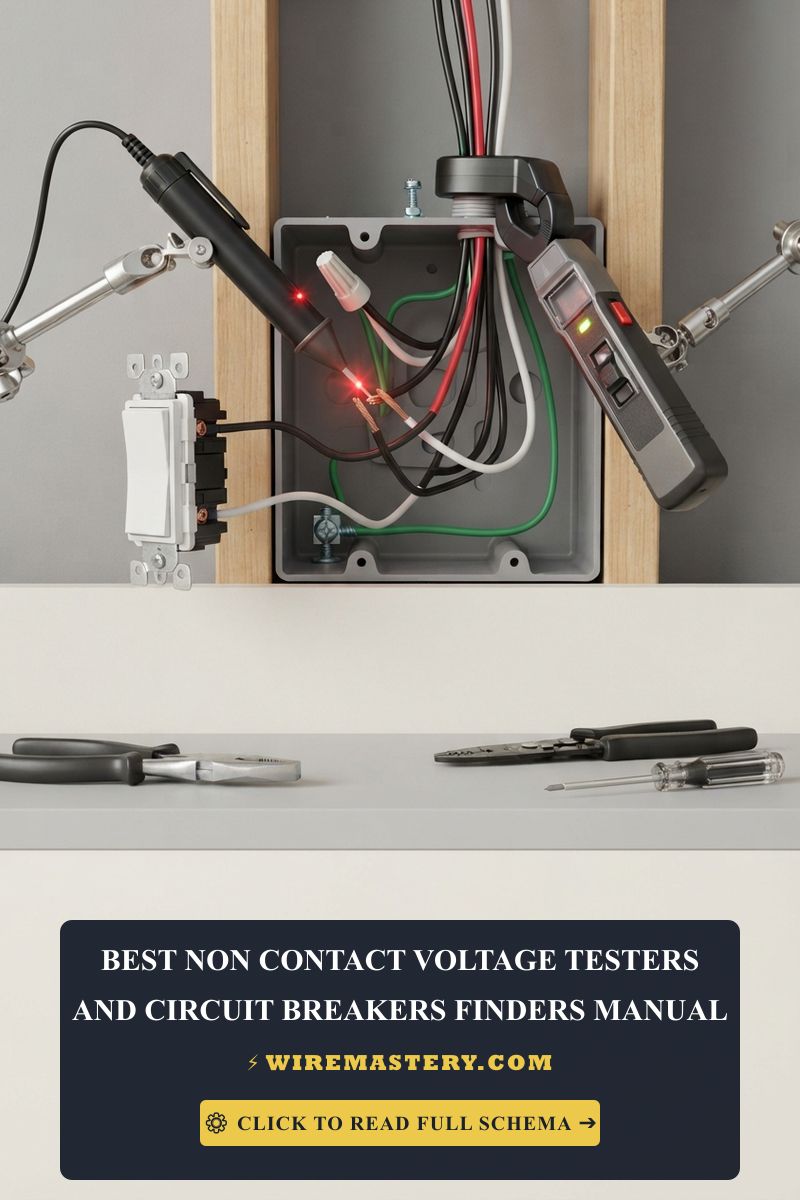
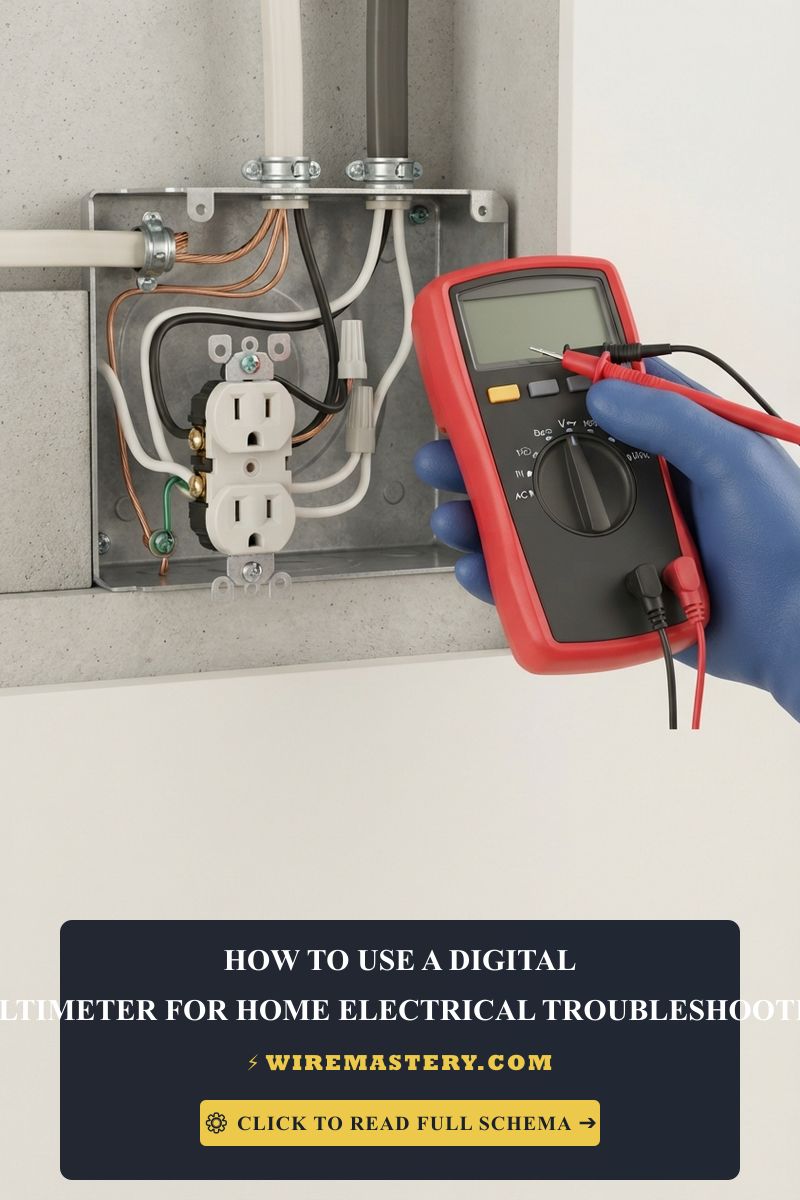
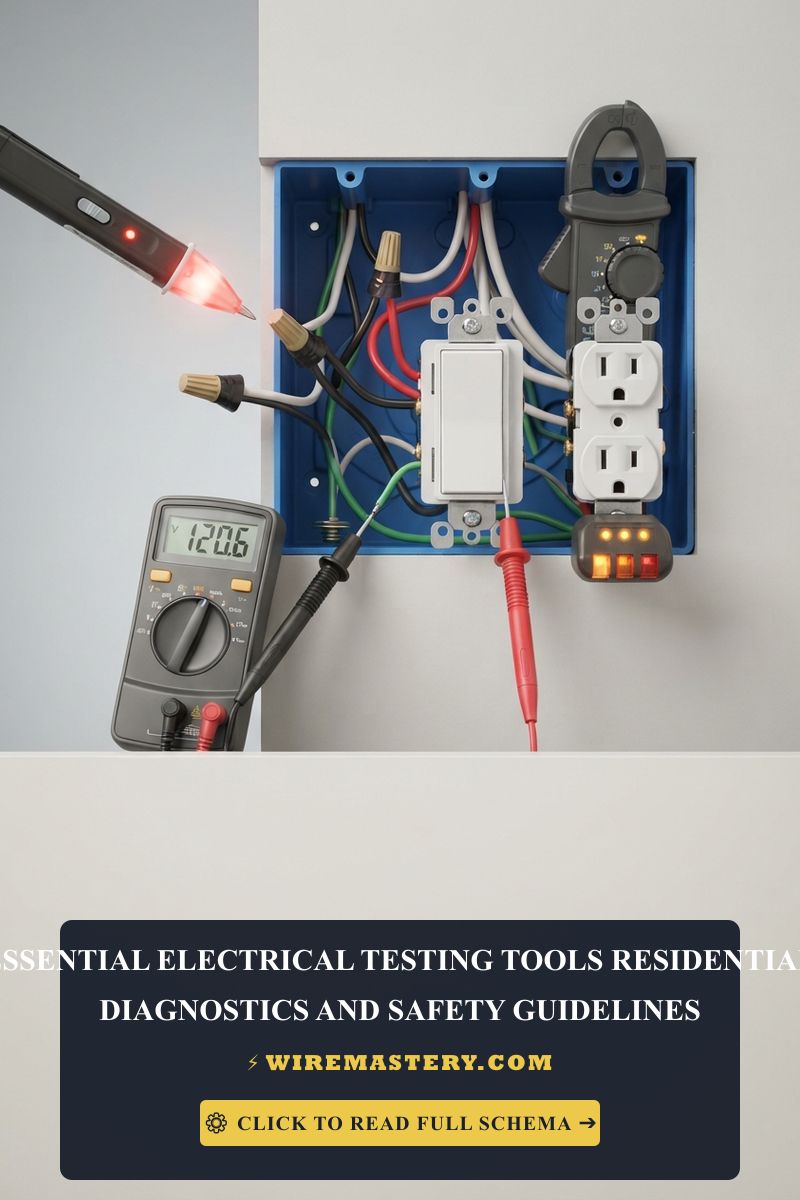
- Multimeter: For measuring voltage, current, and resistance.
- Torque Wrench: To ensure proper tightening of connections.
- Fish Tape: For routing wires through walls or conduits.
- Drill: For making holes for mounting switches and conduits.
Wiring Materials
-
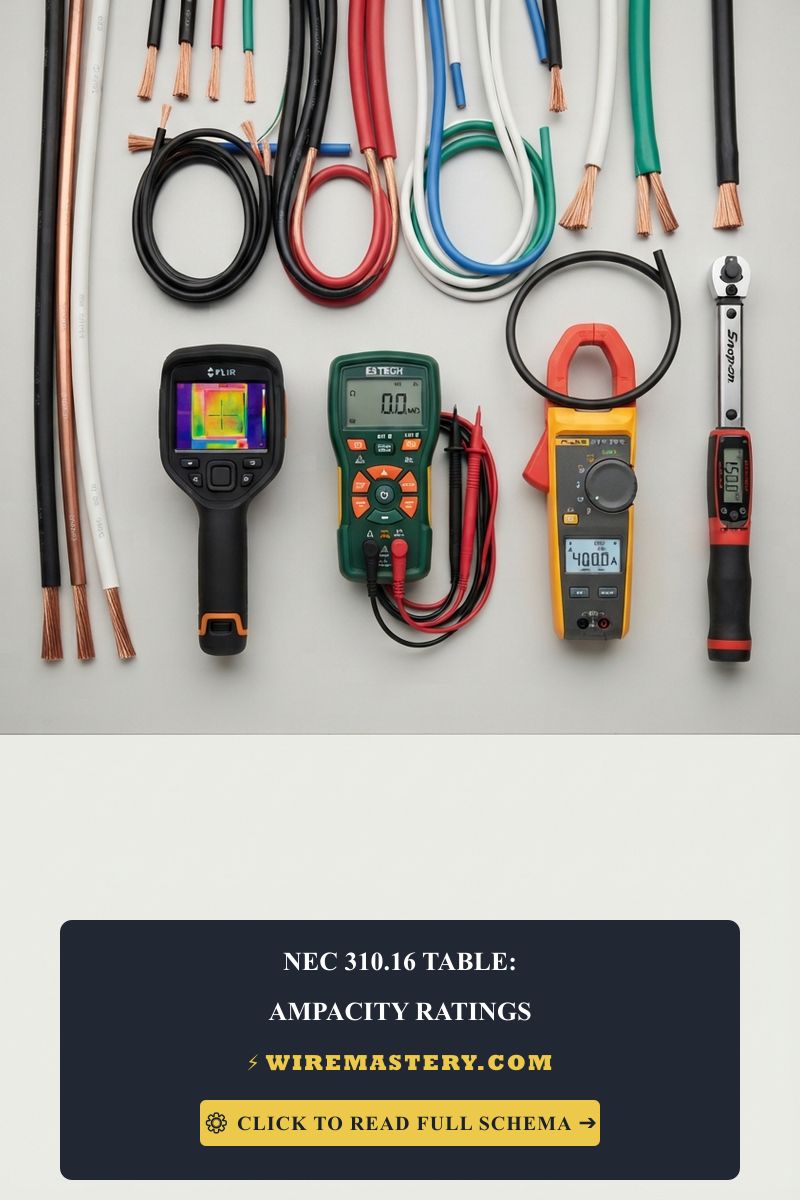
Wire Gauges: Choose appropriate wire gauges based on the load and distance. Common residential gauges include:
- 14 AWG: For lighting circuits (15 amps).
- 12 AWG: For general outlets (20 amps).
- 10 AWG: For larger appliances (30 amps).
- 8 AWG and larger: Used for higher amperage applications (40 amps and up).
-
Conduits: PVC or metal conduits to protect wiring.
-
Disconnect Switch: Rated for the application and installed according to NEC guidelines.
-
Circuit Breakers: Properly rated for the load and NEC compliant.
Step-by-Step Installation Guide
Planning the Installation
- Assess Load Requirements: Calculate the total load to determine the appropriate size of the main breaker and disconnect switch.
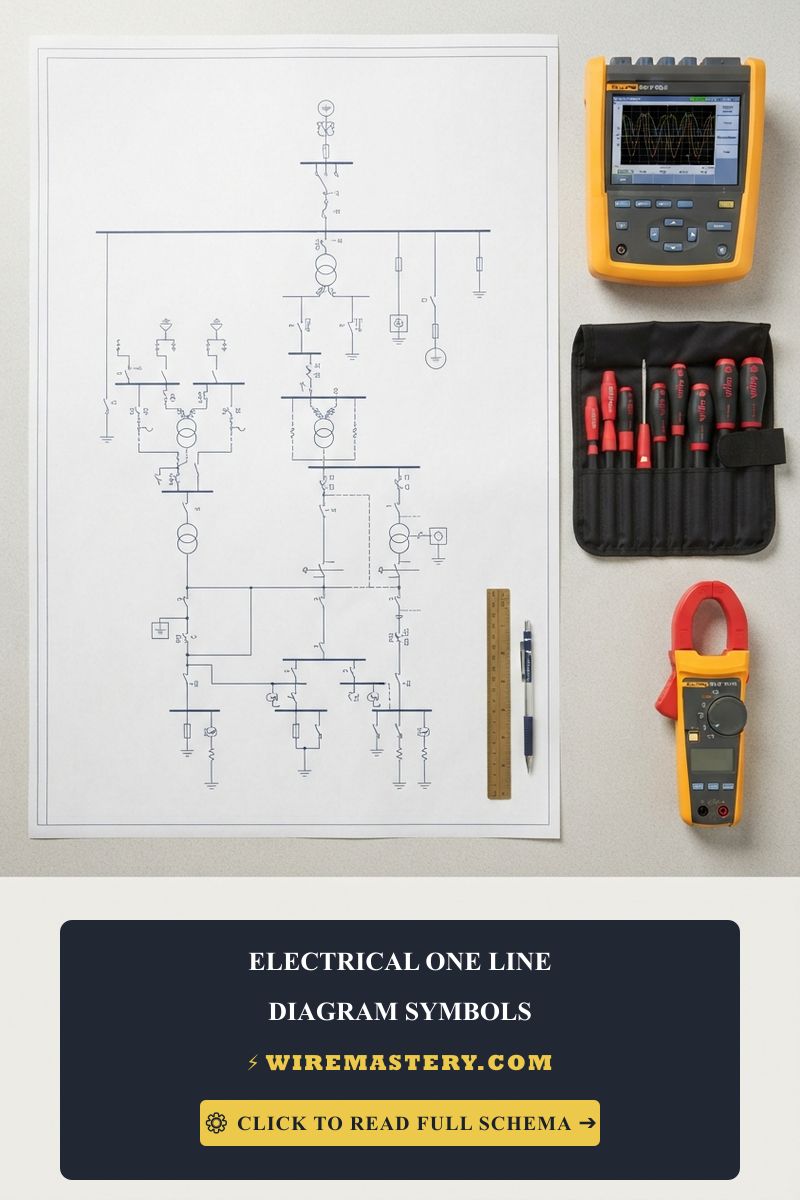
- Design the Layout: Create a wiring diagram that includes the main breaker, disconnect switch, and all relevant circuits.
Installation Process
Step 1: Turn Off Power
- Ensure that the main power supply to the panel is turned off before starting the installation. Use a multimeter to verify that there is no voltage.
Step 2: Install the Disconnect Switch
- Mounting: Secure the disconnect switch to a suitable surface using appropriate fasteners.
- Wiring: Connect the incoming conductors from the service panel to the disconnect switch:
- Strip the ends of the wires and connect them to the terminals on the switch.
- Follow the manufacturer’s instructions for specific wiring configurations.
Step 3: Install the Main Power Breaker
- Mounting: Secure the main breaker inside the service panel.
- Wiring: Connect the load conductors from the disconnect switch to the main breaker terminals.
- Torque Connections: Use a torque wrench to tighten connections to the manufacturer’s specifications.
Step 4: Grounding
- Ensure proper grounding of the main panel and disconnect switch. Connect the grounding conductor to the ground bar in the panel.
Step 5: Close and Secure
- Close the service panel and disconnect switch covers.
- Ensure that all screws and fasteners are secured properly.
Final Safety Checks
Before restoring power, conduct a thorough check as follows:
- Visual Inspection: Ensure all connections are secure, and there are no exposed wires.
- Labeling: Confirm that all labels are in place and legible.
- Test: Use a multimeter to test for continuity and proper voltage levels.
Safety Considerations
Personal Protective Equipment (PPE)
When working with electrical systems, always wear the appropriate PPE:
- Safety Glasses: Protect against flying debris.
- Rubber Gloves: Insulate against electrical shock.
- Hard Hat: Protect against falling objects.
Safety Checklist
- Verify that power is turned off before beginning work.
- Use insulated tools when working on live circuits.
- Ensure that the work area is dry and free from hazards.
- Have a fire extinguisher nearby in case of emergencies.
- Follow all local codes and regulations in addition to NEC guidelines.
Conclusion
Understanding and adhering to the safety standards for main power breaker wiring and disconnect switches is crucial for both safety and compliance. By following NEC regulations, using the right tools and materials, and implementing proper installation techniques, electricians can ensure that residential electrical systems are safe, reliable, and efficient. Regular inspections and maintenance should also be performed to uphold safety standards and prolong the life of electrical systems. Always consult with a qualified electrician if in doubt or when handling complex electrical installations.