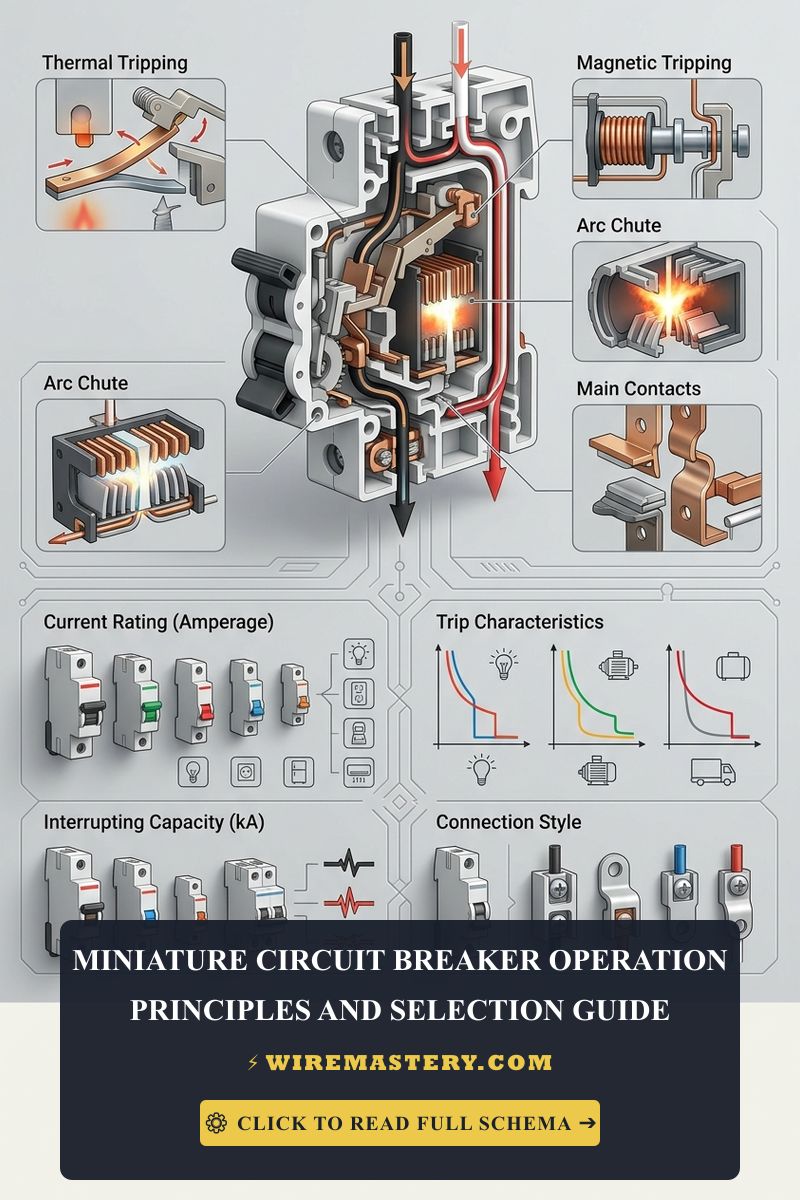
Miniature Circuit Breaker Working Principles & Selection Guide
Miniature Circuit Breakers (MCBs) are essential components in residential electrical systems, providing protection against overloads and short circuits. Understanding their operation principles and proper selection is crucial for ensuring safety and efficiency in electrical installations. This technical guide aims to offer a comprehensive overview of MCBs, focusing on their operational principles, selection criteria, and applicable National Electrical Code (NEC) standards.
Understanding Miniature Circuit Breakers
MCBs are electromechanical devices designed to automatically switch off electrical circuits when excessive current flows through them. This interruption of current prevents potential hazards such as electrical fires and equipment damage.
Operation Principles
-
Current Sensing Mechanism:
- MCBs employ two primary mechanisms to detect fault conditions:
- Thermal Trip: Utilizes a bimetallic strip that bends when heated due to excess current, ultimately triggering the trip mechanism. This is typically used for overload protection.
- Magnetic Trip: Engages a solenoid that activates rapidly in response to a short circuit, providing instantaneous disconnection.
- MCBs employ two primary mechanisms to detect fault conditions:
-
Resetting the Breaker:
- After tripping, MCBs can be reset manually by toggling the switch back to the “ON” position, allowing for easy restoration of service without needing to replace any components.
-
Characteristics of MCBs:
- Rated Current (In): The maximum continuous current that an MCB can carry without tripping.
- Breaking Capacity (Icn): The maximum fault current that the MCB can interrupt safely.
- Tripping Curve: Indicates the relationship between the fault current and the tripping time, which varies based on the MCB type (B, C, D curves).
Types of MCBs
-
Type B: Trips between 3 to 5 times the rated current. Suitable for residential lighting and general-purpose circuits.
-
Type C: Trips between 5 to 10 times the rated current. Ideal for circuits with inductive loads like motors and transformers.
-
Type D: Trips between 10 to 20 times the rated current. Used for high inrush applications, such as large motors and transformers.
Selecting Miniature Circuit Breakers
Choosing the right MCB for an application involves several considerations:
1. Load Assessment
-
Calculate Total Load: Sum the wattage of all connected devices and convert to amperage using the formula:
Amps = Watts / Voltage
-
Consider Diversity Factor: Not all devices operate simultaneously; apply a diversity factor to avoid over-sizing.
2. Application Type
- Lighting Circuits: Use Type B MCBs for circuits primarily containing lighting fixtures.
- Power Circuits: Choose Type C for circuits with motors, especially those that may have high starting currents.
- Specialized Equipment: For applications requiring a high starting current, such as large industrial motors, opt for Type D.
3. Environmental Conditions
- Temperature: Ensure the MCB’s thermal characteristics suit the installation environment’s temperature range.
- Humidity and Dust: Select MCBs with suitable enclosures if installed in harsh conditions.
4. NEC Compliance
- NEC Article 240: Governs overcurrent protection devices. Ensure the chosen MCB meets the requirements outlined:
- Proper ratings
- Placement and installation methods
- Coordination with upstream protective devices
5. Breaking Capacity
- Ensure the MCB’s breaking capacity exceeds the maximum prospective fault current at the installation point. This can be determined using:
- Local utility information
- Short-circuit calculations
Installation Guidelines
Tools Required
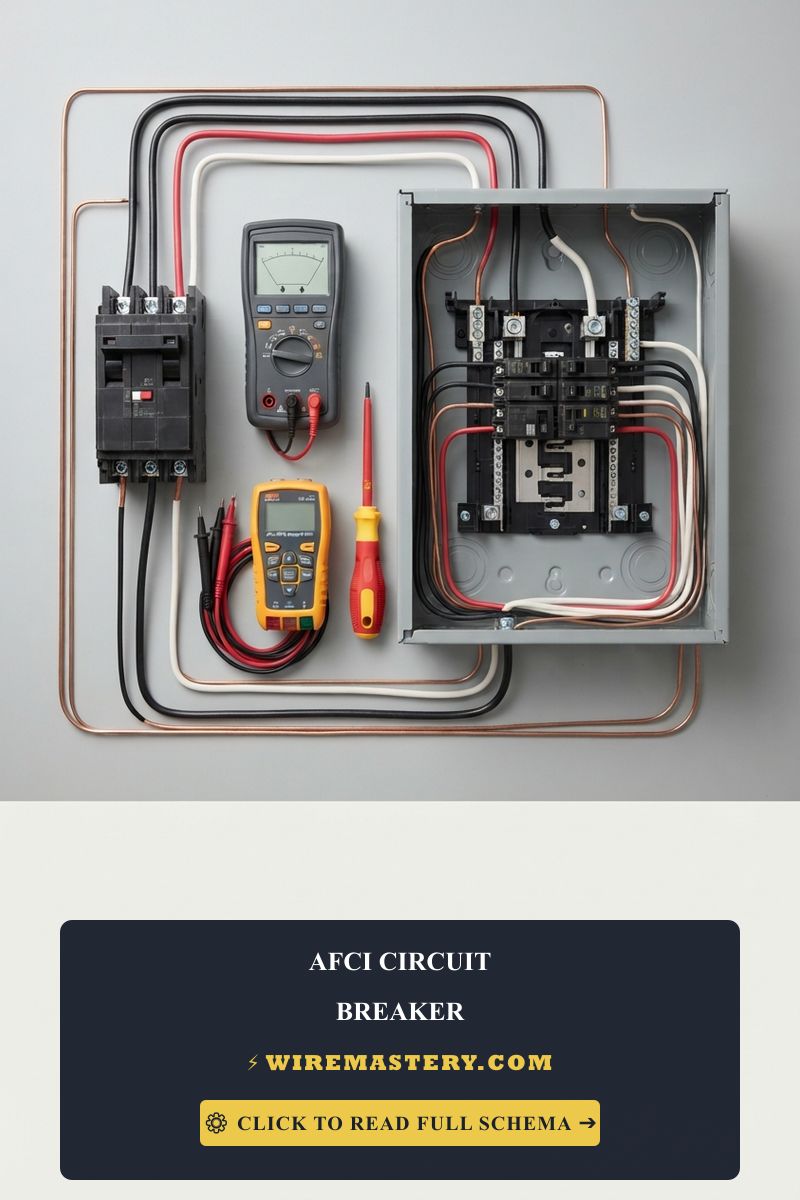
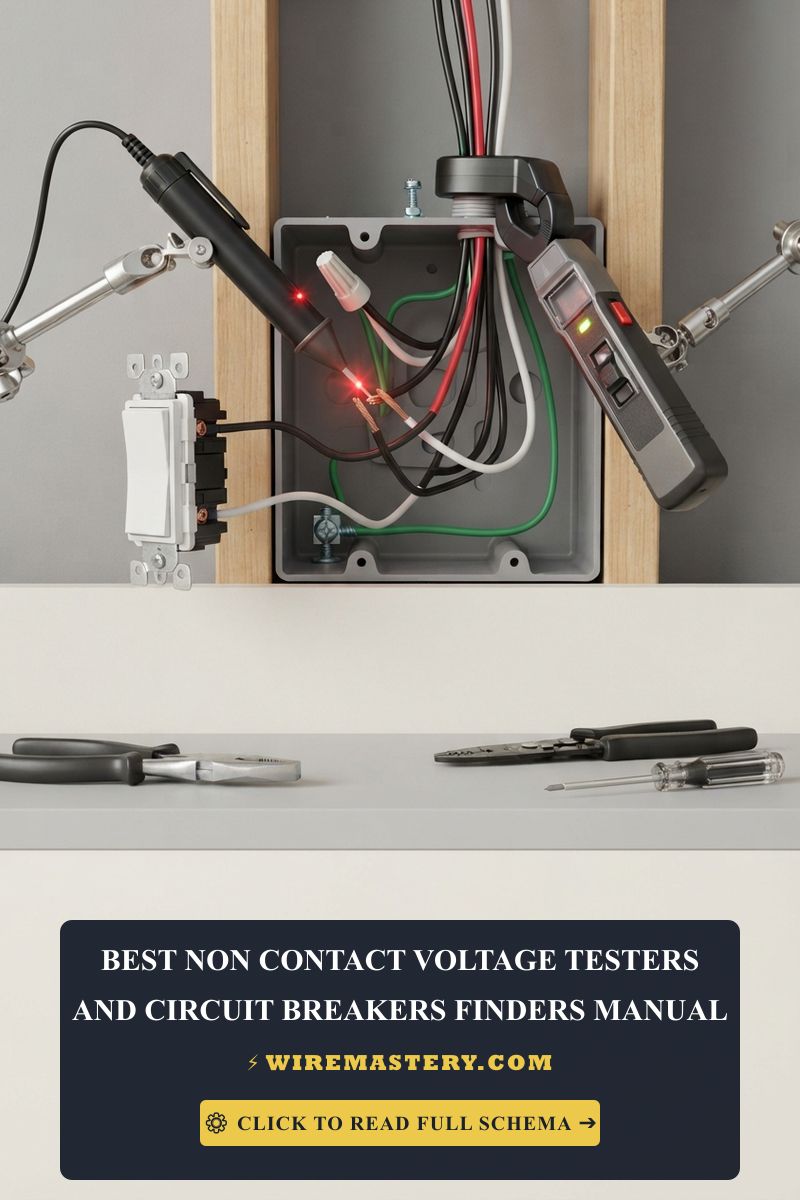
- Insulated Screwdrivers: For safe handling of electrical components.
- Wire Strippers: To prepare wire ends for connection.
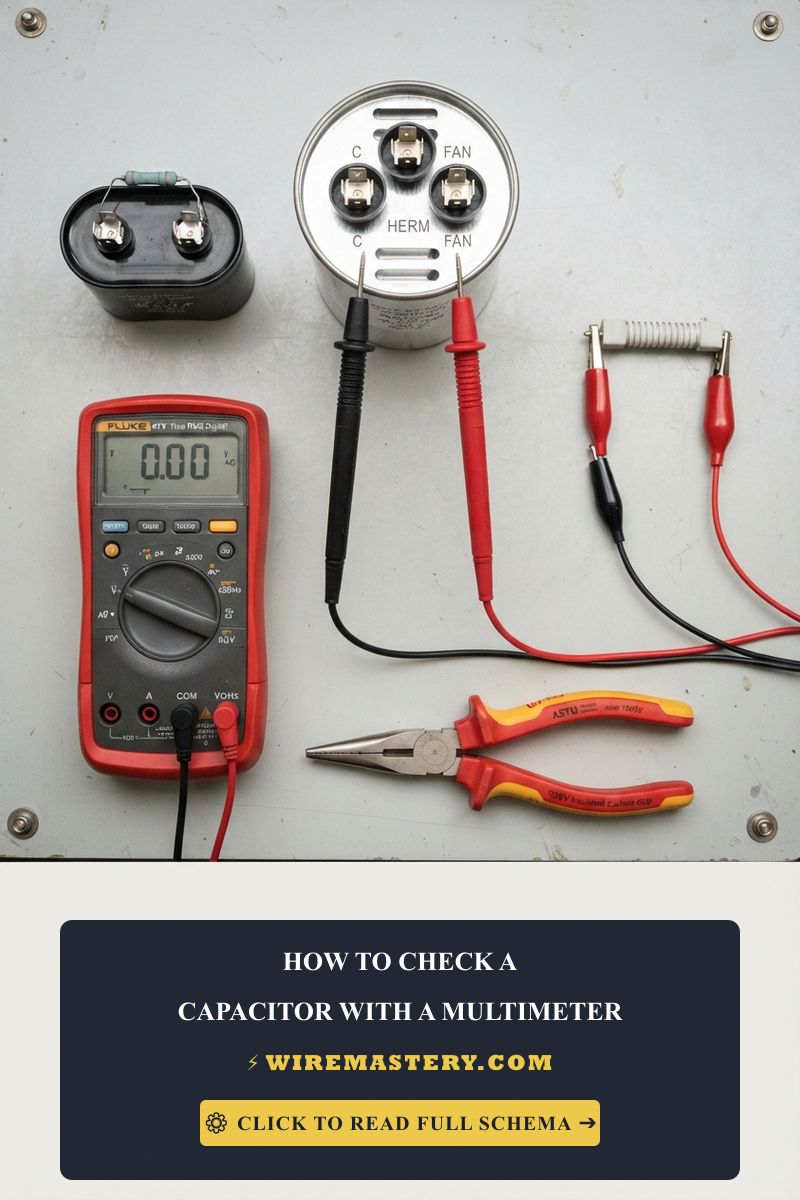
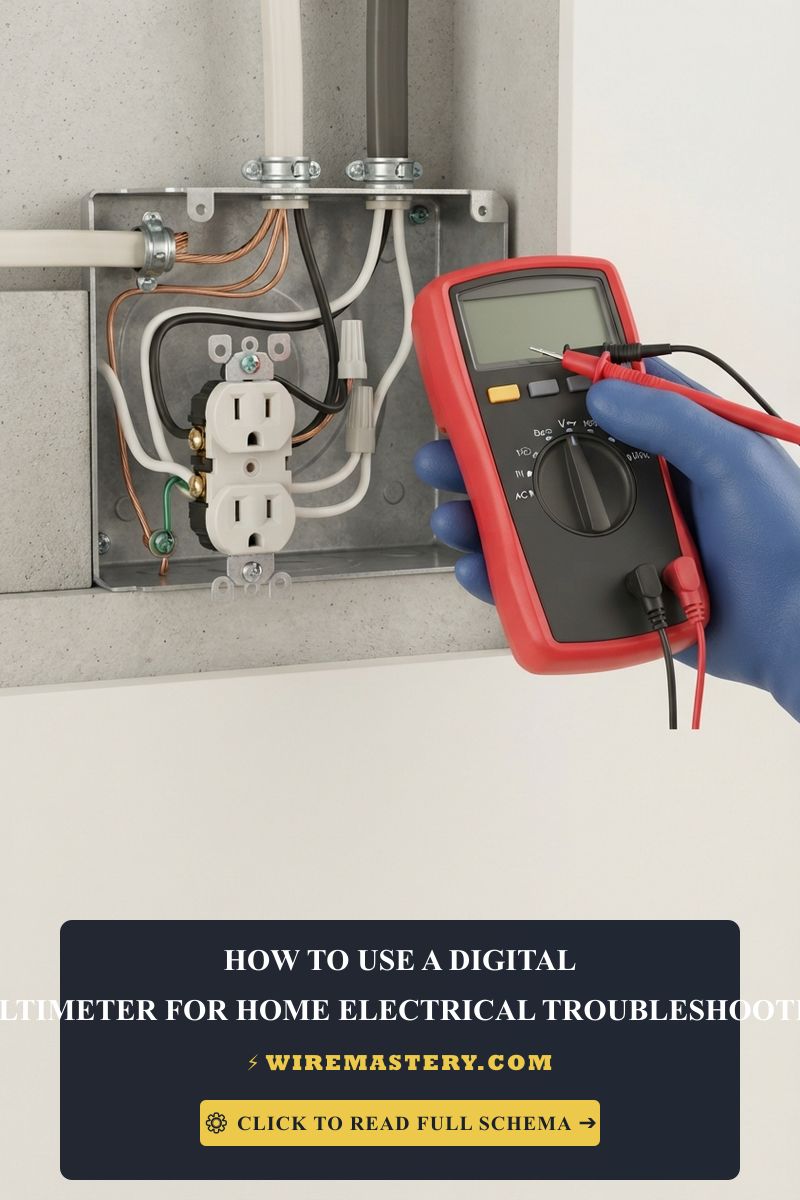
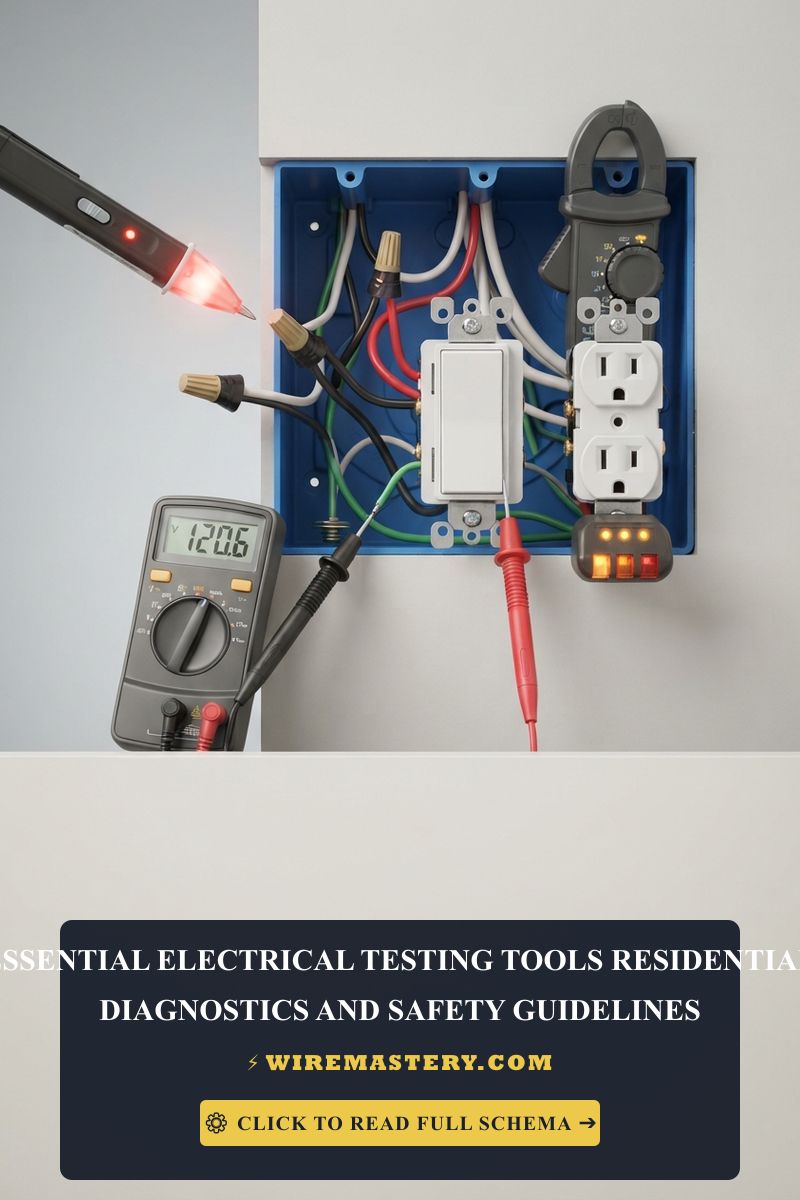
- Multimeter: For measuring voltage and current.
- Torque Wrench: To ensure proper tightening of connections.
Wire Gauges
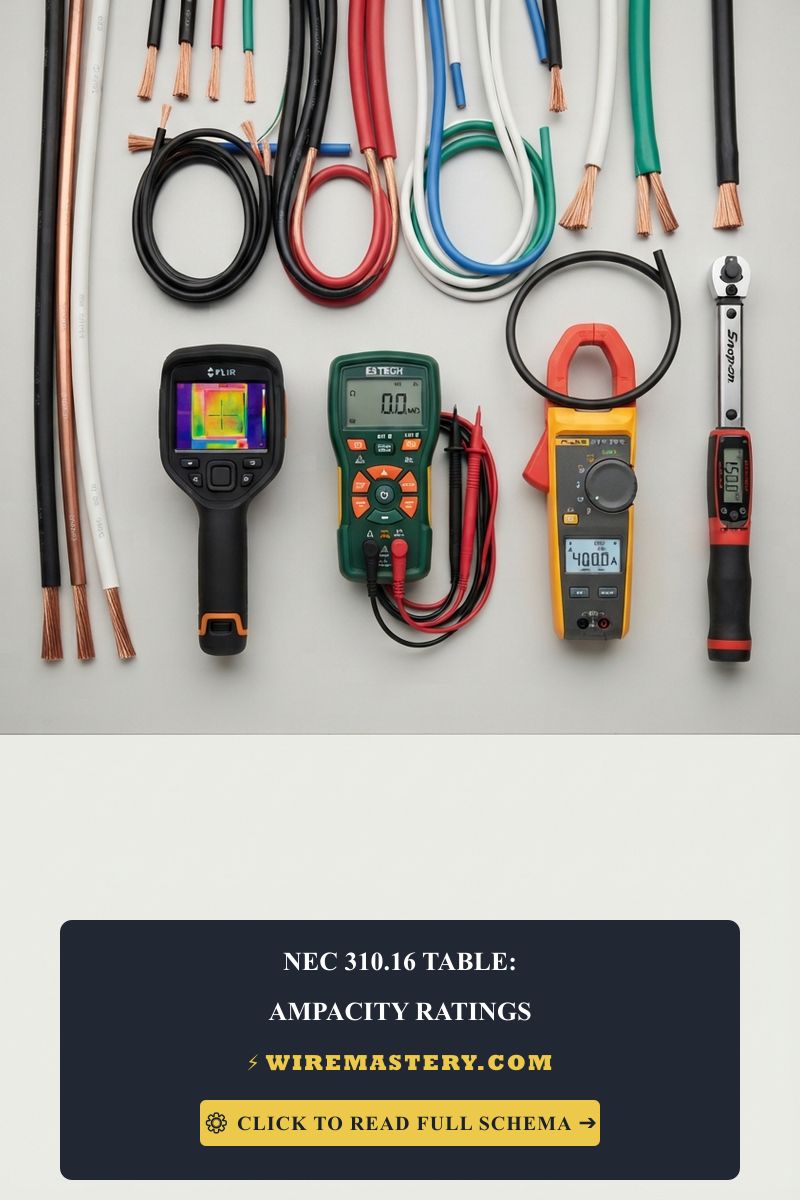
- Determine Wire Size: Based on the load and distance of the circuit, utilize NEC Table 310.16 to select the appropriate wire gauge to prevent overheating.
- Common Sizes:
- 14 AWG: Suitable for 15A circuits
- 12 AWG: Suitable for 20A circuits
- 10 AWG: Suitable for 30A circuits
Safety Checklist
- Power Off: Ensure the main power supply is turned off before installation.
- Check for Voltage: Use a multimeter to confirm the circuit is de-energized.
- Verify Connections: Double-check terminal connections for tightness and correctness.
- Test After Installation: After installation, conduct a functional test of the MCB to ensure proper operation.
Maintenance and Testing
-
Regular Inspections:
- Check for signs of wear, discoloration, or physical damage.
- Ensure the MCB mechanism is not obstructed.
-
Testing:
- Use the test button (if available) to verify the tripping mechanism functions correctly.
- Perform periodic checks (at least annually) to confirm that the MCB operates as expected.
-
Replacement:
- Replace any MCB that continuously trips without apparent cause or shows signs of physical damage.
Conclusion
Miniature Circuit Breakers play a vital role in protecting residential electrical systems from overcurrent conditions. Proper understanding of their operation principles, coupled with careful selection based on load requirements, environmental conditions, and NEC compliance, ensures safety and efficiency. With appropriate tools and methods, installation and maintenance can be performed effectively, allowing for reliable electrical service in homes. Always prioritize safety and consult with a qualified electrician for complex installations or uncertainties regarding MCB selection and application.