Safety Tips for DIY Electrical Repairs: Contractor Protocol
Introduction
Executing residential DIY electrical repairs within a live service panel enclosure or layout branch circuit demands a comprehensive understanding of human physiological shock thresholds, arc flash thermodynamics, and positive source isolation protocols. Unlike basic structural tasks, managing a electrical grid carries zero operational margin for error; a single micro-second exposure to standard North American 120V/240V alternating current (AC) can cause lethal cardiac disruption or severe deep-tissue thermal burns. Relying on casual visual inspections or non-insulated hand tools is a hazardous practice that violates federal safety standards. For homeowners balancing advanced multi-point installations, implementing these precautions alongside a verified no-neutral smart switch installation architecture builds an unshakeable layer of safety that protects both the installer and sensitive solid-state automated processors.
This safety manual outlines the biological physics of electrical shock, professional non-contact testing procedures, and personal protective equipment (PPE) requirements in full compliance with National Electrical Code (NEC) standards.
Core Biological & Electrical Safety Parameters
Before unmounting factory deadfront covers or handling any raw copper wire extensions, you must memorize the strict physical thresholds that govern human electrical interaction:
- The Physiological Shock Matrix: Alternating current (AC) at 60 Hz is highly disruptive to the human nervous system. While a microscopic 1 milliampere (mA) current results in a faint localized tingling sensation, a current flow between 10 mA and 20 mA triggers immediate muscular contraction (“let-go” threshold), freezing your hand onto the live wire. Current densities exceeding 50 mA to 100 mA passing through the thoracic cavity cause immediate ventricular fibrillation, halting blood circulation.
- The Path of Least Resistance Rule: Electricity operates as a continuous closed-loop phenomenon that dynamically seeks a path back to its source bar. If your body bridges an uninsulated line hot wire to a grounded element (such as a copper plumbing line or wet concrete floor), you become the primary low-impedance grounding pathway.
- The 120V Fallacy: More fatalities occur annually on standard residential 120V branch loops than on industrial high-voltage grids. The lower voltage delays immediate breaker tripping while passing sufficient amperage to freeze human lung and heart muscles.
Technical Materials & High-Dielectric Personal Protective Equipment
Safely auditing energized service gutters and completing safe wire splices demands specific certified insulated field instruments and personal protective equipment (PPE):
| Safety Equipment / Tool | Primary Engineering Purpose & Safety Certification |
|---|---|
| Non-Contact AC Voltage Tester | Must carry a minimum CAT IV 1000V rating to detect ambient electromagnetic fields safely. |
| ASTM F1505 Insulated Hand Tools | Screwdrivers and pliers explicitly rated and tested to withstand up to 1000V AC continuous. |
| Class 00 Dielectric Rubber Gloves | Rated for a maximum active working potential of 500V AC, protecting skin from contact paths. |
| ANSI Z87.1+ Safety Glasses | High-impact polycarbonate lenses protecting eyes from arc-fault copper splatter and sparks. |
| Circuit Breaker Padlock Lockout | Universal clamping lock used to mechanically prevent accidental re-energization during work. |
Sizing Branch Conductors & Overcurrent Headroom (NEC Article 310.16)
Selecting an incorrect conductor profile introduces progressive resistance faults that lead to localized charring long before a circuit breaker can disengage. The NEC strictly dictates wire diameter parameters based on continuous current limits to prevent house fires:
- 14 AWG Solid Copper Conductor (White PVC Sheath): Calibrated exclusively for 15-Amp overcurrent breakers. Used primarily for residential ceiling fans, smoke detectors, and bedroom lighting lines.
- 12 AWG Solid Copper Conductor (Yellow PVC Sheath): Calibrated exclusively for 20-Amp overcurrent breakers. Mandatory for high-draw zones like kitchen countertops, bathrooms, and laundry hubs.
- 10 AWG Solid Copper Conductor (Orange PVC Sheath): Calibrated exclusively for 30-Amp overcurrent breakers. Mandatory for heavy appliances like dedicated clothes dryers and water heaters.
The Diagnostics Phase: Executing a 3-Step Live Circuit De-Energization Audit
The most critical mistake made during home maintenance is trusting a circuit directory label inside the panel door. Circuit layouts are frequently cross-wired or modified by legacy owners. Before stripping insulation or managing wires, execute this strict field verification sequence:
Step 1: The Multi-Tester Self-Audit (Test the Tester)
Take your non-contact AC voltage tester or digital multitester. Before touching the target work area, press the probe face against a known, actively live power source—such as a working appliance cord or a functional outlet face. Confirm the tester audibly chirps, lights up, or displays a full 120V AC parameter. If the instrument stays silent, its internal batteries or logic chips are dead; discard the tool immediately.
Step 2: Main Panel Breaker Lockout (LOTO)
Locate the dedicated circuit breaker toggle powering the workspace area and flip it to the absolute “OFF” position. To ensure an unshakeable safety margin, install a universal circuit breaker lockout pad clamp over the toggle switch handle and snap a physical padlock through the frame. Keep the physical key inside your pocket. This lockout tagout (LOTO) process prevents family members or contractors from turning the breaker back on while you are raw-handling downstream copper lines.
Step 3: Probing the Local Junction Box Cavity
Return to your workspace box cavity. Remove the plastic faceplate and pull the device yoke forward carefully using your insulated drivers. Prior to uncoupling any wire nuts, insert your verified non-contact voltage tester tip deep into the box enclosure. Probe every wire independently: test the Black Hots, the White Neutrals, and the Bare Grounds. If the tester remains completely silent across all lines, you have successfully isolated the field energy and can safely execute repairs.
Advanced Field Protocols: The Left-Hand Rule & Environmental Isolation
Experienced electrical contractors implement spatial habits and handling reflexes to mitigate the physiological impact of an accidental shock path during active line audits:
1. The Left-Hand Rule (Protecting the Cardiac Vector)
When opening a master electrical service subpanel or testing an unverified circuit breaker bus bar, always keep your right hand inside your pocket or clipped to your tool belt, utilizing exclusively your left hand equipped with a Class 00 insulated glove to manipulate the testing probe instrument.
- The Biological Rationale: If your skin accidentally bridges a live phase terminal to a grounded cabinet frame, the current loop will travel up your left arm, across your left shoulder, and down your legs to the earth. This specific physical path completely avoids crossing your heart’s primary cardiac muscle mass, preventing the induction of fatal ventricular fibrillation.
2. High-Moisture Environmental Protection Protocols
Water, humidity, and atmospheric condensation drastically drop human skin resistance from a dry baseline of approximately 100,000 Ω down to less than 1,000 Ω, allowing lethal milliampere levels to pass through your vital organs under a standard 120V potential.
- Never execute a DIY repair or use power tools while standing on damp basement concrete floors, near washing machine plumbing lines, or in wet outdoor environments.
- If working inside a mechanical garage or damp crawlspace is structurally unavoidable, lay down a heavy-duty, certified rubber electrical insulation mat to separate your boots fully from the earth ground plane.
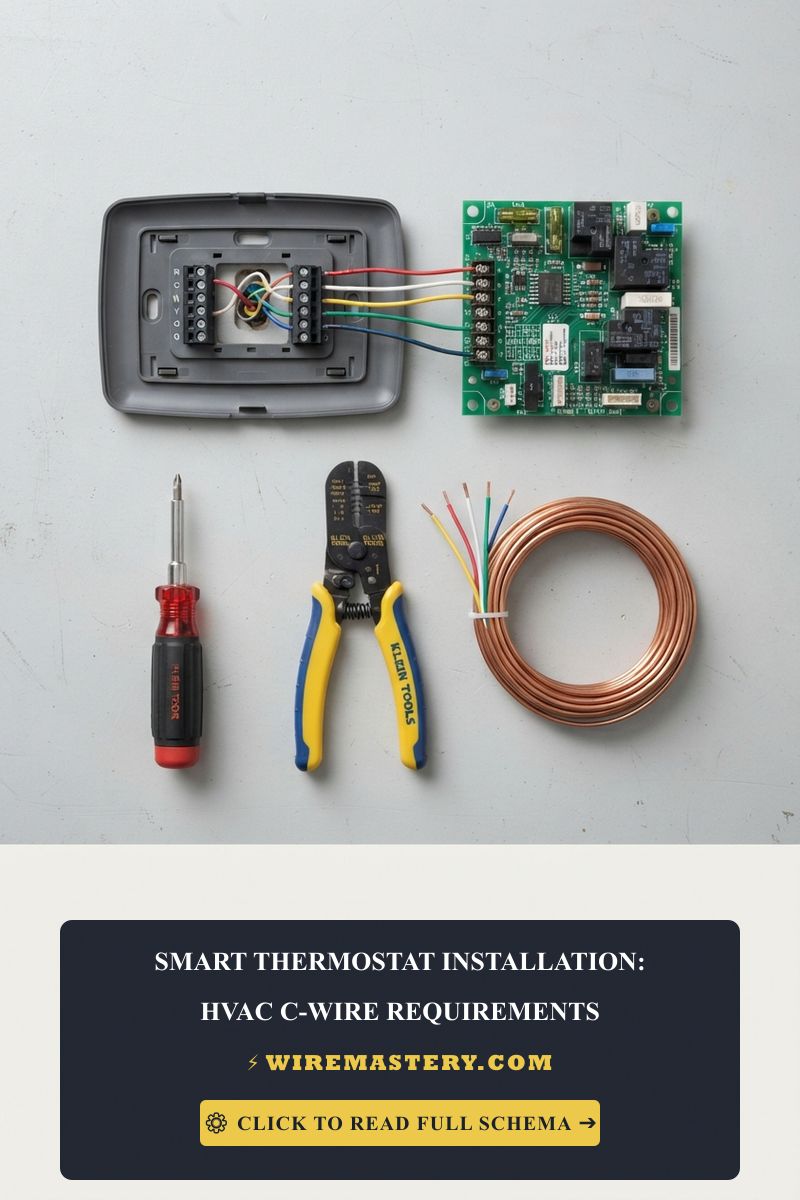
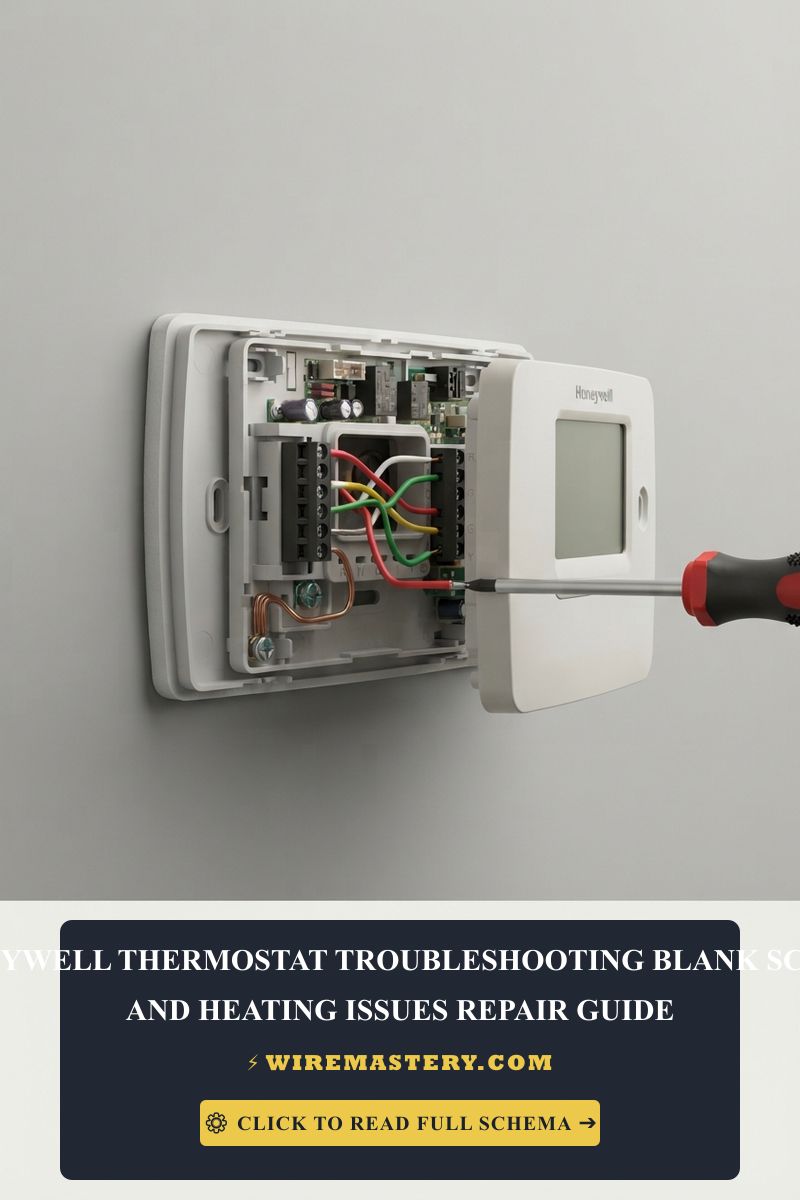
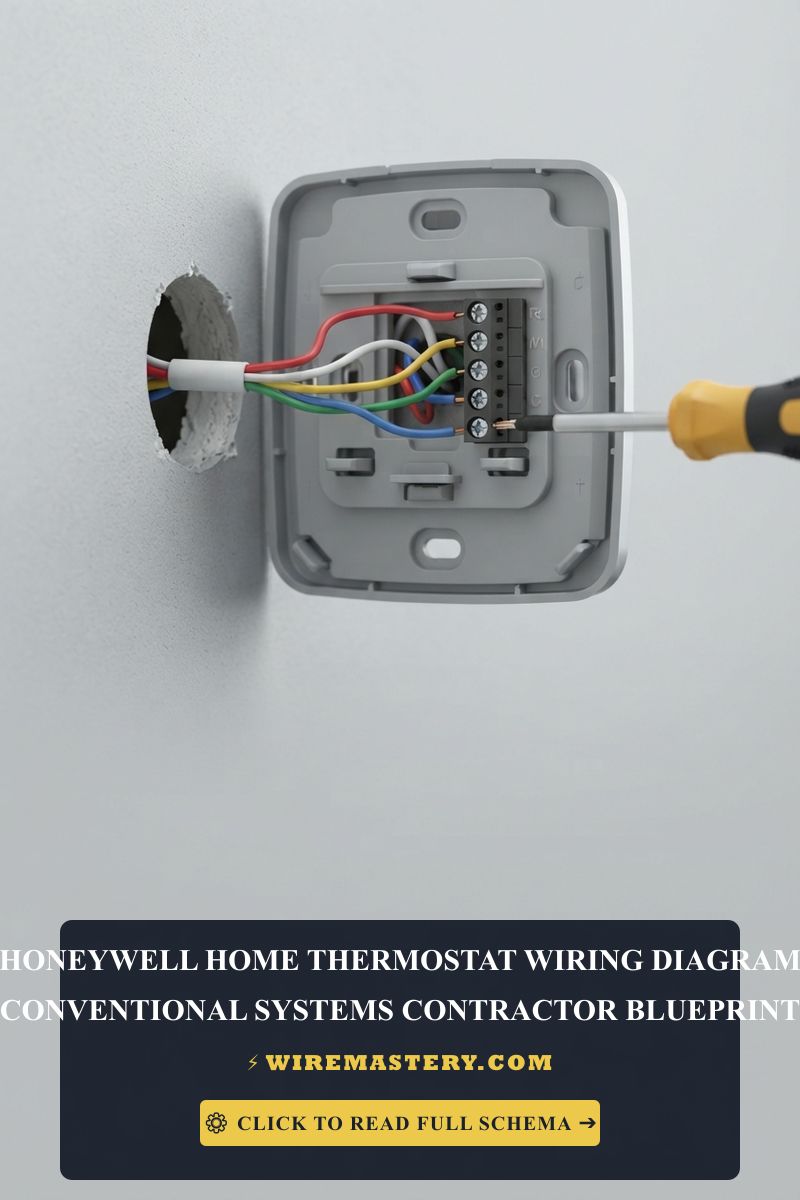
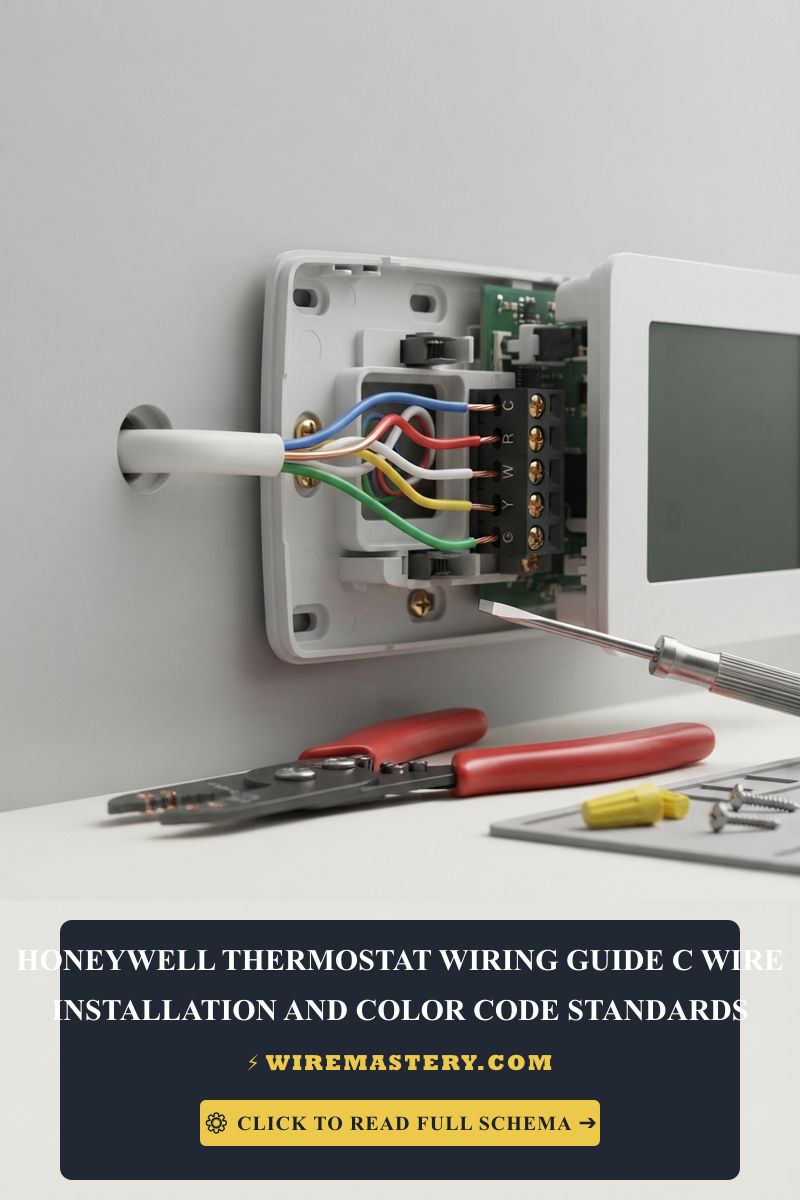
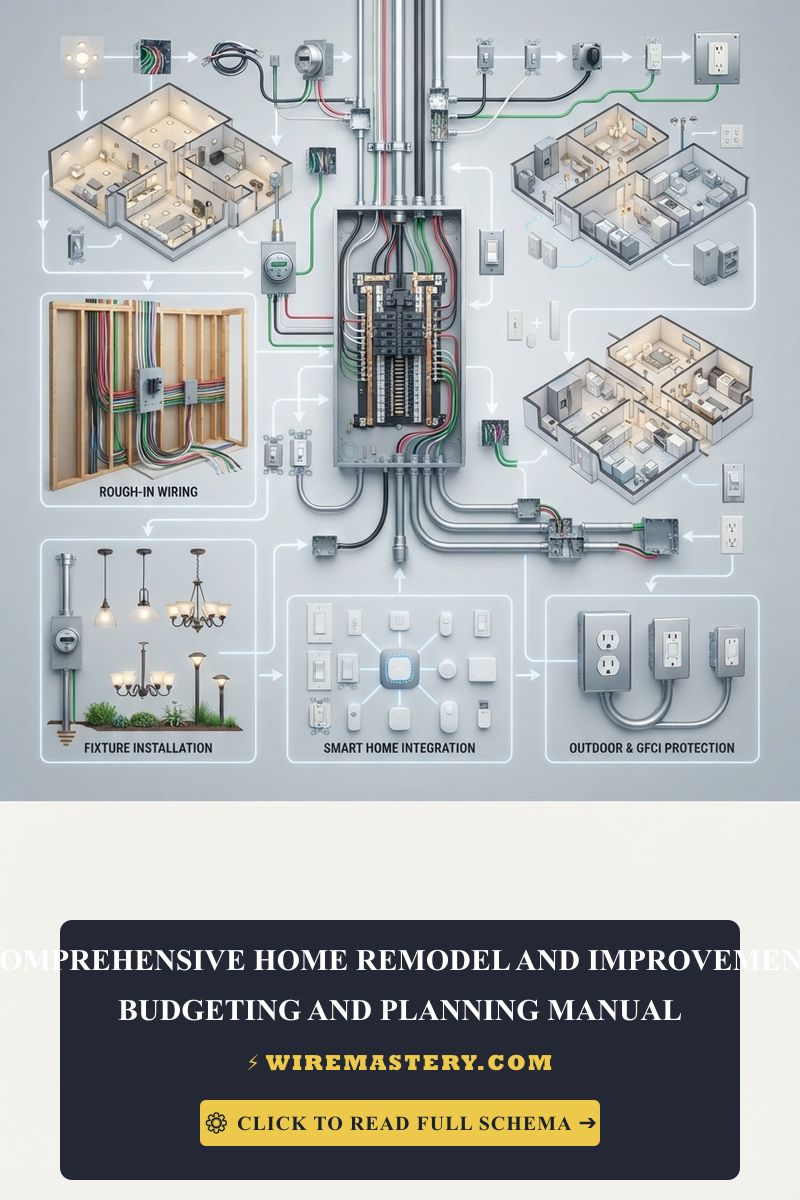
🛠️ Arc Flash Boundaries Note: Look closely at the industrial service panels and distribution enclosures displayed across our engineering guides. Notice that heavy-duty line-voltage connections feature distinct physical phase shields. When working around main disconnect lugs, always maintain an industrial safety buffer area. Never wear loose jewelry, metal wristwatches, or clothing equipped with exposed steel zippers while working inside an electrical box cavity, as dropping a single metallic link across raw bus bars will trigger an immediate high-temperature arc-flash explosion that emits molten copper splatter.
Troubleshooting Common Residential Electrical Faults Safely
- The Non-Contact Tester Chirps Continuously Even When the Breaker is Off: This behavior indicates a severe Phantom Voltage or Dual-Feed Hazard. High-impedance digital non-contact testers can register harmless static capacitive coupling fields leaking out from adjacent live wires running inside the same wall conduit. To confirm if the voltage is real, switch your digital multimeter to LoZ mode (Low Impedance). LoZ mode introduces a small internal resistance that collapses phantom ghosting fields instantly. If the multi-tester display still reads 120V AC, you have a dangerous cross-wired loop or a second active circuit feeding that box. Go back to the panel and isolate the master disconnect switch.
- A Wire Nut Connection Feels Exceptionally Hot After Reassembly: An absolute indicator of a high-resistance terminal fault. You have either mixed copper and aluminum wiring illegally without a certified antioxidant interface connector, or the internal wires were twisted together loosely without utilizing linesman pliers before capping the assembly. Turn off the panel breaker immediately. Cut away the scorched conductor tips until reaching shiny pink copper, and rebuild the splice under strict mechanical torque requirements.
- The Ground-Fault Circuit Interrupter (GFCI) Trips Immediately on Restore: This symptom indicates an active downstream ground fault loop or a reversed Line/Load installation error. Pull the device and verify your wiring tracking metrics; if an uninsulated bare copper grounding wire touches the silver neutral terminal screw inside a tight gang box, current loops will leak to the earth, dropping the circuit offline.
National Electrical Code Infrastructure & Safety Enforcements
Adhering to strict national structural regulations protects your home infrastructure from electrical fire hazards and ensures full property insurance compliance. The National Electrical Code strictly regulates residential workspaces, component testing clearances, and device grounding integrity under NEC Article 110 (Requirements for Electrical Installations) and Article 300 (Wiring Methods):
- Workspace Working Clearances (NEC 110.26): Access panel gates and circuit breaker enclosures must maintain an absolute, un-obstructed physical clear working space of at least 3 feet (36 inches) of depth front clearance and 30 inches of width clearance from the live component face. Utilizing electrical closets as household storage cabinets or blocking panels behind heavy appliances is a critical federal building code violation.
- Arc-Flash Hazard Warning Markings (NEC 110.16): Electrical distribution centers and heavy industrial switchboards must display highly visible, explicit safety warning labels alerting field operators to potential arc-flash hazards, mandating the use of field-certified PPE before entering live boundaries.
For the NFPA 70 provisions relevant to this guide on Safety Tips for DIY Electrical Repairs: Contractor Protocol, consult the Official NFPA 70: National Electrical Code (NEC).
Conclusion
This article explains human physiological shock thresholds, mastering 3-step live de-energization verification audits using certified CAT IV testing instruments, and implementing rigid lockout tagout (LOTO) safety clamp boundaries transforms hazardous home repairs into highly controlled, electrical operations. By tracking wire ampacity parameters accurately, keeping your workspace completely isolated from moisture vectors, and respecting mandatory NEC clearance boundaries around utility panels, you construct an unshakeable, safe home grid environment. For final checks, complete panel breaker power isolation checks, deploy ASTM F1505 certified insulated tools, and execute every terminal step with safety-first precision.