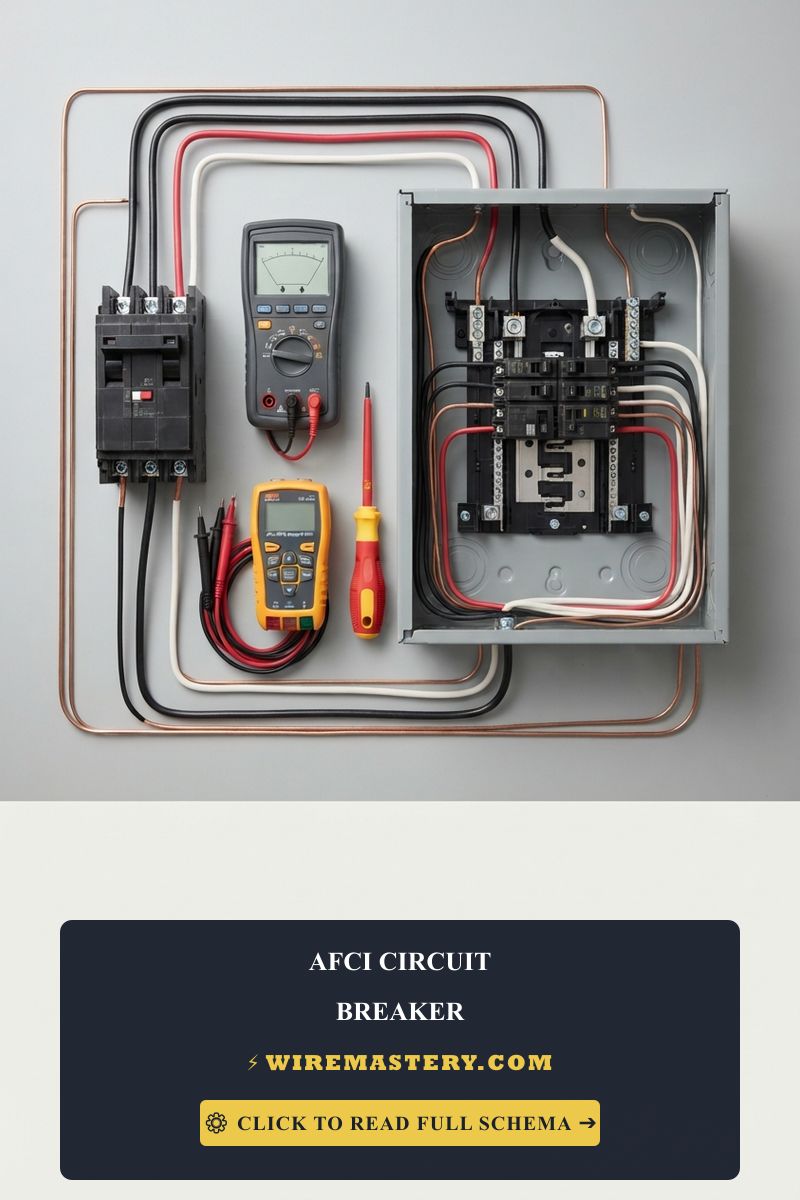
AFCI Circuit Breaker: Arc Fault Protection & Troubleshooting Guide
Engineering a modern, code-compliant residential infrastructure or auditing high-density branch loops demands a meticulous operational mastery of solid-state circuit protection, high-frequency wave analysis, and synchronized panel bus terminations. Within contemporary home automation grids, deploying an afci circuit breaker or diagnosing a persistent arc fault on breaker anomaly represents the frontier of modern fire mitigation technology. Unlike legacy thermal-magnetic protection toggles that drop offline exclusively when current thresholds overheat a bimetallic strip, a modern arc fault interrupter breaker relies on internal micro-processors to sample line current signatures continuously. Missing a minor ionization tracking spark behind drywalled framing cavities can lead to catastrophic insulation combustion long before a traditional circuit breaker registers a dead short.
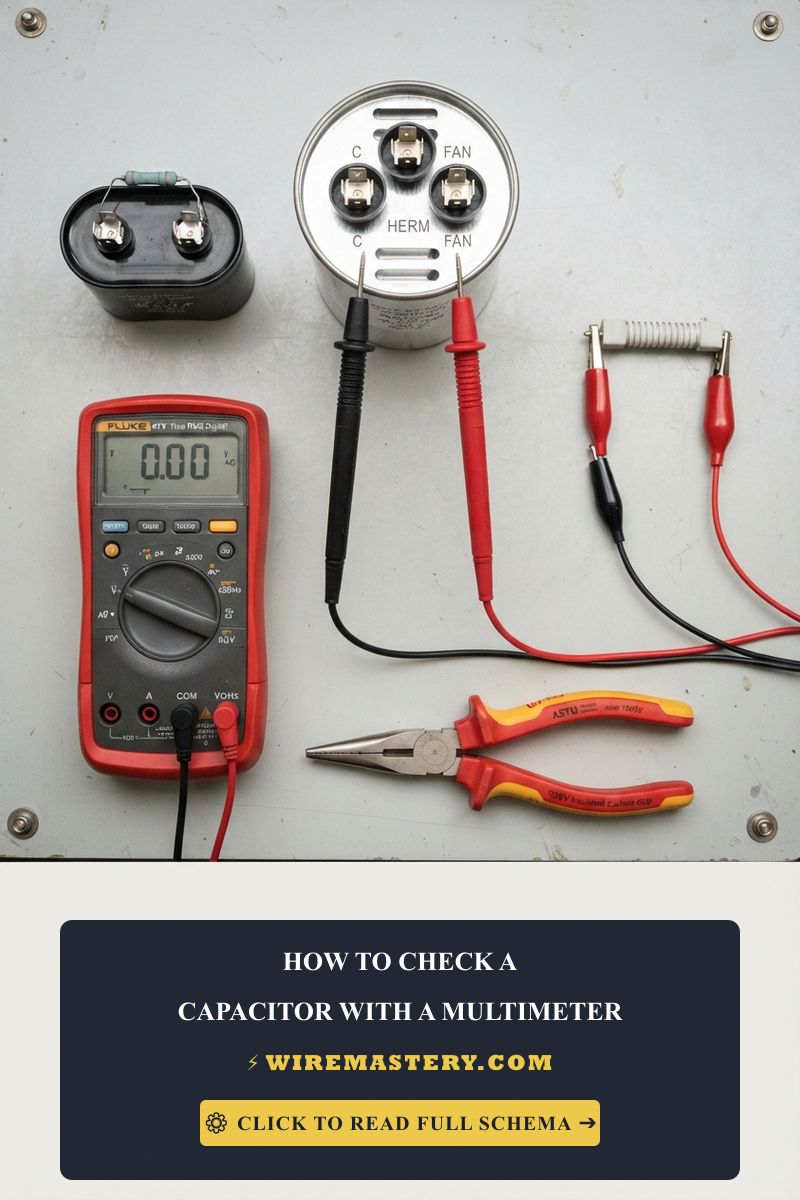
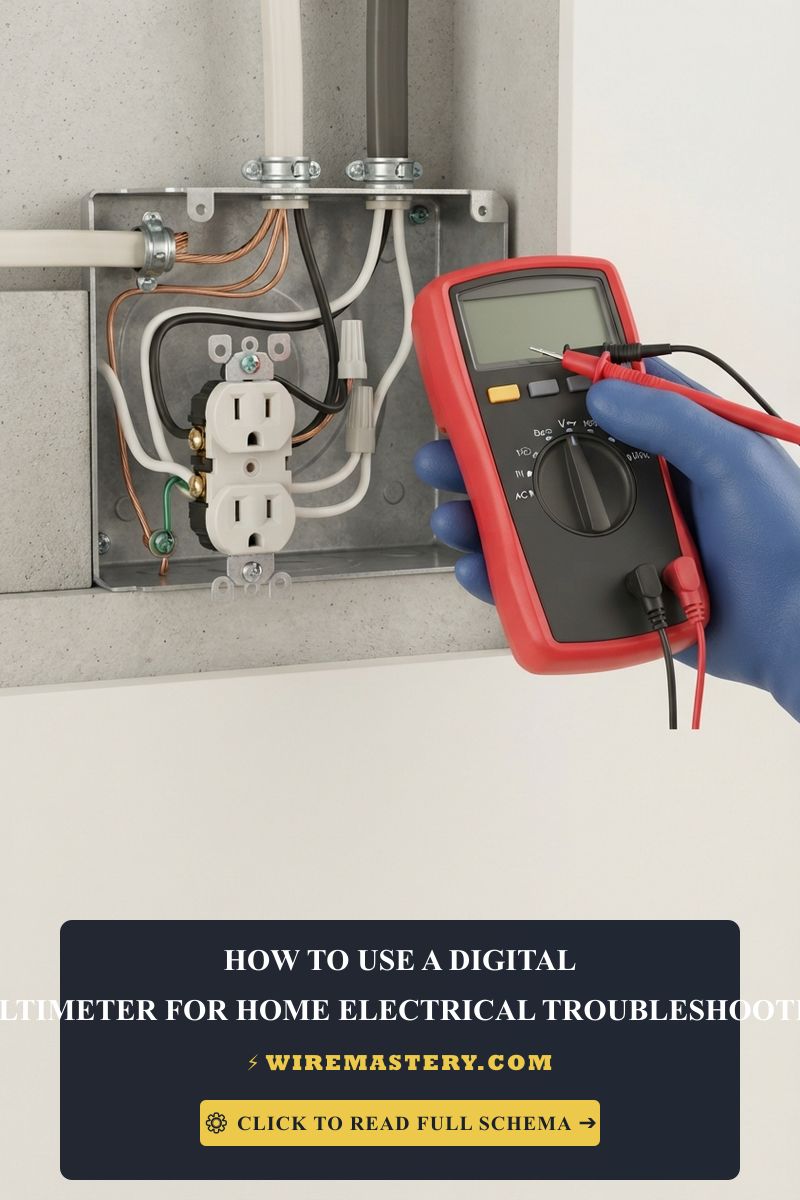
To secure an unshakeable, inspection-ready data log and maintain zero voltage attenuation across subpanel tracks, installers reject amateur testing shortcuts. They pair their troubleshooting workflows straight with our specialized manual on how to use a digital multimeter for home electrical troubleshooting faults and cross-reference branch layouts with our master breaker panel wire sizing selection chart and terminal temperature codes.
This arc fault protection breaker reference manual despatches the fundamental physics of ionization waveform signatures, separate ground-neutral routing metrics, and advanced panelboard diagnostic laboratory toolkits.
Core AFCI Infrastructure Sizing Parameters
Before feeding high-capacity wire reels into subpanel gutters or uncoupling factory conductor ties, master these essential technical thresholds:
- The Signature Waveform Sampling Paradigm: An advanced afci circuit breaker utilizes an internal digital signal processor (DSP) to analyze alternating current sine waves at a rate of millions of samples per second. The chip is programmed to differentiate between a safe, predictable operational arc (such as the normal carbon brush sparking inside a running vacuum cleaner or power drill motor) and an erratic, high-frequency hazard arc tracking through a broken conductor strand.
- The 30-Millijoule Ionization Limit: Under national laboratory testing protocols, when a damaged cord wire or loose wire nut splice begins to experience an active parallel or series arc fault, the breaker must recognize the unique harmonic signature and drop the line offline before the total thermal energy release exceeds 30 Joules per millisecond, successfully suppressing electrical fire induction.
- The Ground-Neutral Subpanel Partition: Unlike legacy open-bus frameworks, a branch line protected by an arc fault interrupter breaker cannot share its white neutral conductor wire with any adjacent sub-circuit. The dedicated load neutral must return directly to the specific breaker terminal faceplate, allowing the device’s internal current transformers to monitor line balances down to a micro-ampere fraction.
Technical Materials & High-Sensitivity Arc Fault Diagnostic Toolkit
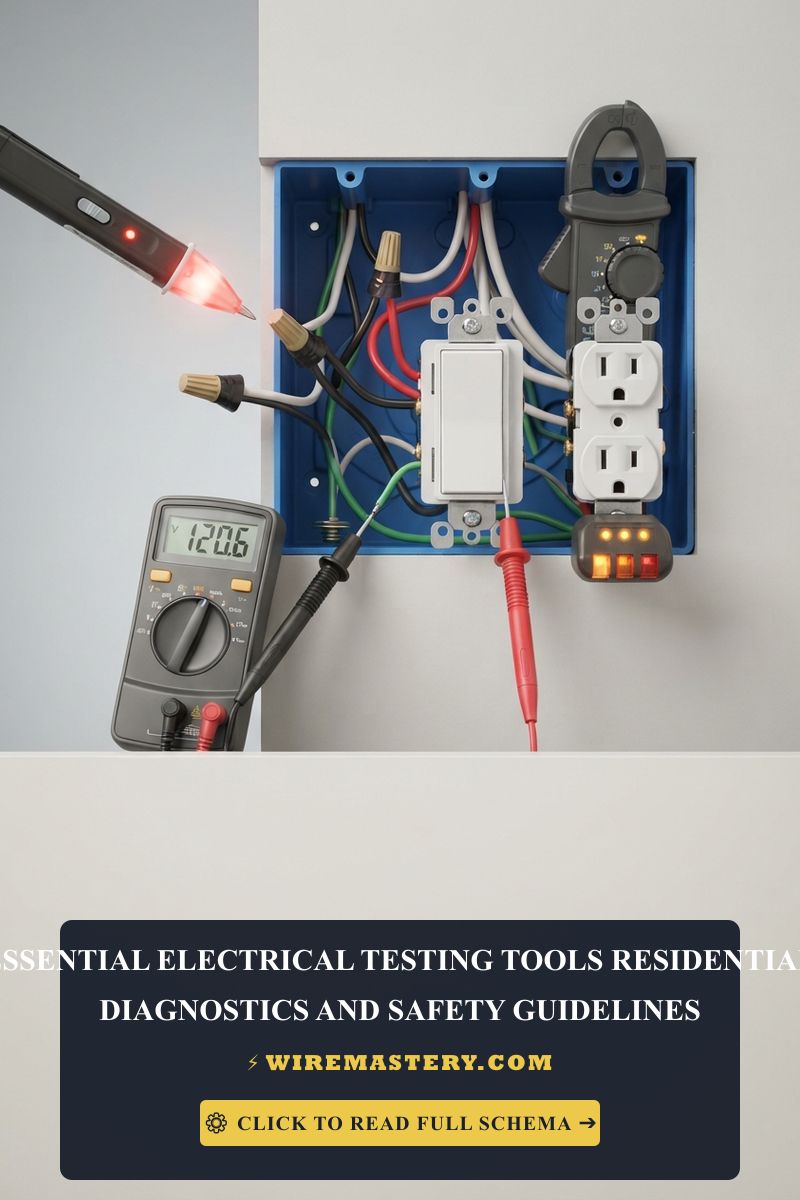
Safely tracking a ghost arc fault on breaker trigger path and testing micro-processor terminal configurations requires specialized laboratory-grade field instrumentation:
| AFCI Auditing Instrument | Primary Engineering Purpose & Trade Safety Rating |
|---|---|
| True RMS CAT III Multimeter | Category CAT III 600V certified to accurately check branch voltage sags and path resistances. |
| Digital AFCI / GFCI Analyzer | Injects artificial high-frequency carbon arc signatures into a live branch to force-test DSP chip logic. |
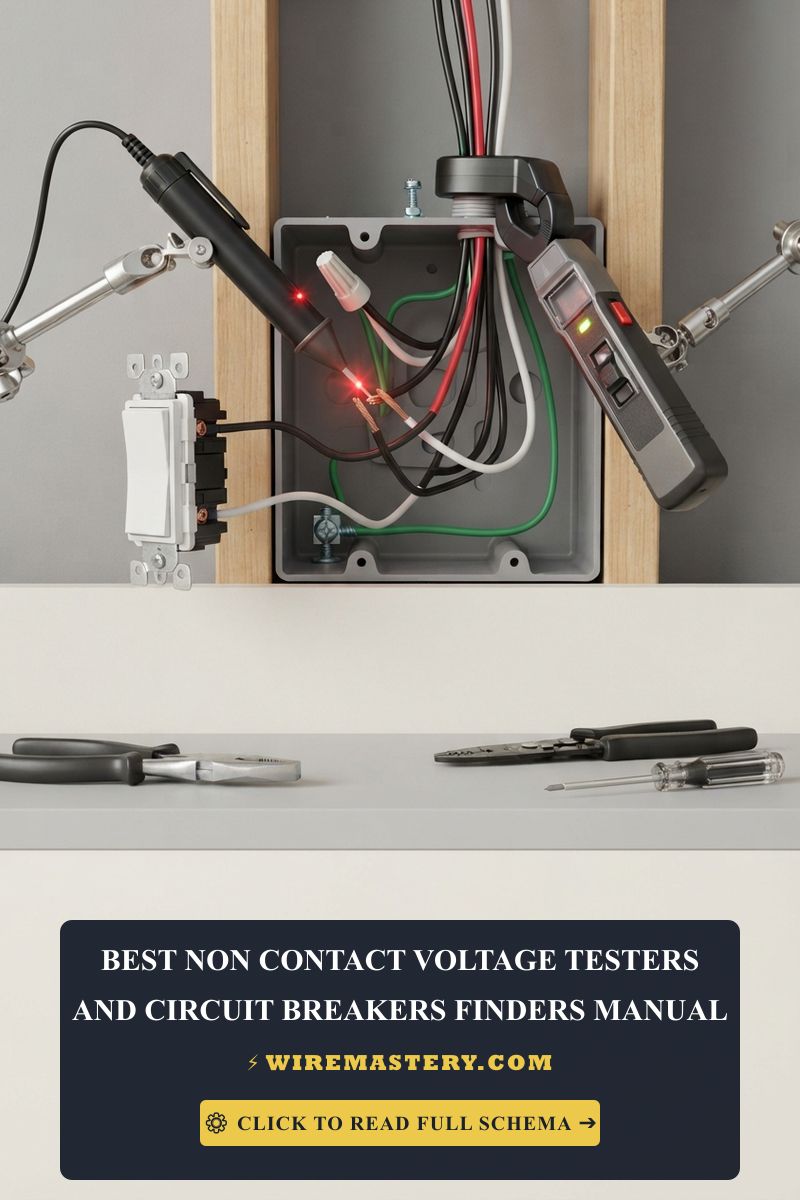
| Non-Contact AC Proximity Wand | Proximity sensor calibrated to audibly guarantee 100% disconnect de-energization before wire handling. |
| 1000V Insulated Square Driver | Cushion-grip square-tip tool to safely back out panel deadfront shroud screws without flash risks. |
| ANSI Z87.1+ Safety Goggles | High-impact polycarbonate lenses protecting eyes from sudden copper arc splatter during live checks. |
Conductor Profiles & Branch Thermal Constraints (NEC Table 310.16)
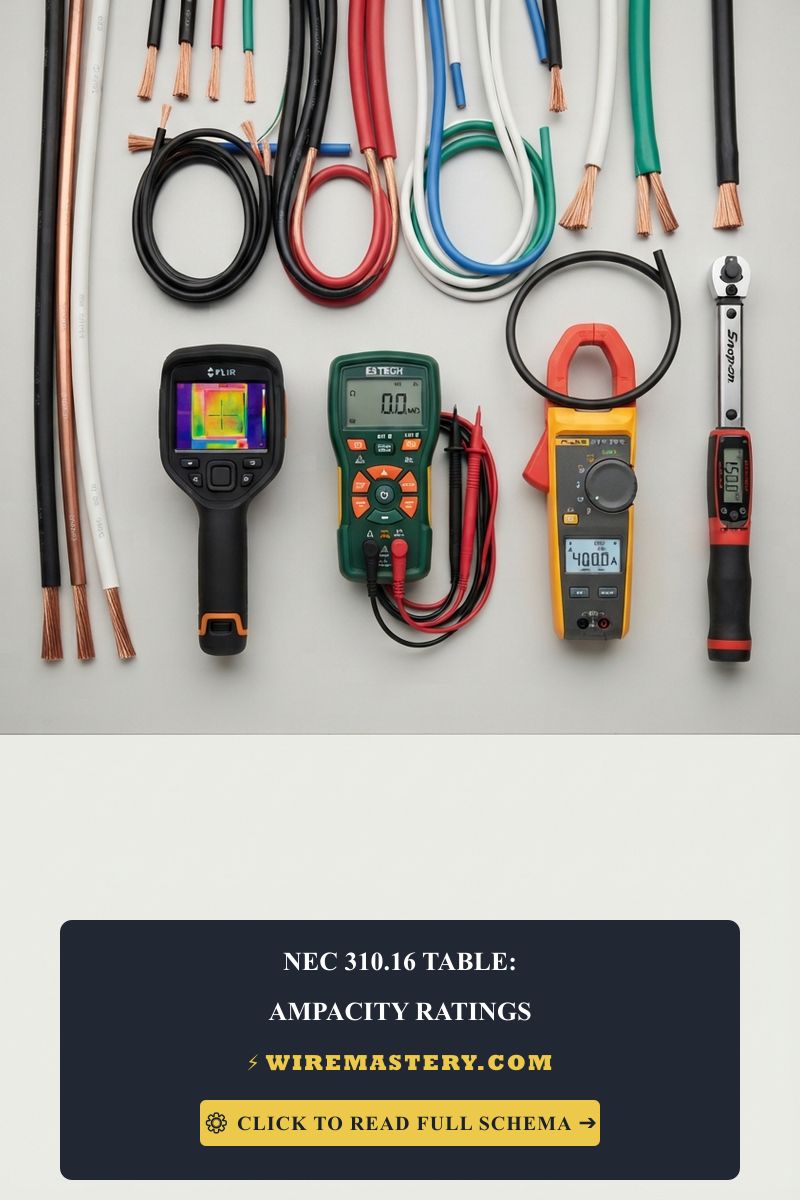
Sizing branch layout lines protected by modern arc fault protection breaker modules mandates rigid adherence to copper thickness ceilings to prevent nuisance thermal build-up inside compressed conduits:
- 14 AWG Solid Copper Conductor (15-Amp Branch Ceiling): Encased within standard white NM-B Romex sheaths. The baseline profile required to wire residential living rooms, family dens, and master bedroom receptacle networks.
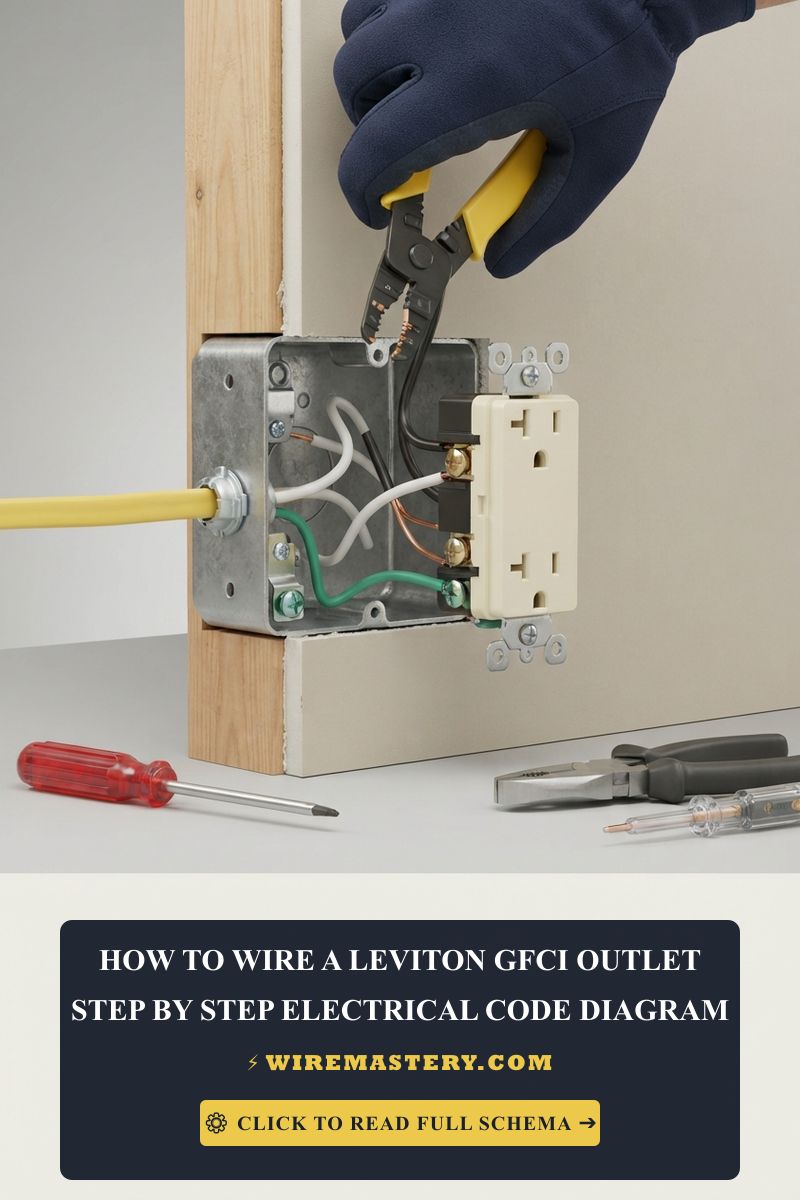
- 12 AWG Solid Copper Conductor (20-Amp Branch Ceiling): Encased within heavy-duty yellow NM-B Romex sheaths. The modern infrastructure specification required across high-load environments including kitchen general outlets, dining room loops, and laundry branch configurations.
Technical Phase 2: Nuisance Tripping Diagnosis & Multi-Gang Isolation
When a newly integrated afci circuit breaker drops offline immediately upon initializing or trips erratically when specific continuous currents scale upward, an electrical engineer must isolate whether the logic signature confirms a true structural fire hazard or an active wiring configuration fault.
1. The 500V Insulation Breakdown Diagnostics (Unpowered Mode)
Parallel arc faults occur when the dielectric insulation jacket between a hot conductor and a neutral or grounding rail degrades, allowing voltage to track through a carbonized pathway.
- Move to your property’s primary subpanel distribution board center. Disengage the specific arc fault interrupter breaker toggle and install your safety padlock lockout tagout tags.
- Verify an absolute 0V AC parameters state across all side terminal blocks using your non-contact proximity wand before touching copper.
- Back out the branch Hot line (Black) and the branch Load Neutral wire (White) completely from the faceplate terminals of the AFCI module.
- Take a digital insulation tester (“Megger”) and connect Lead A to the disconnected branch hot wire nut node, and Lead B to the bare equipment grounding bus. Inject a controlled 500V DC electronic insulation test pulse down the dead line.
- A Code-Compliant Sub-Circuit: The digital meter display should register a high-resistance data log exceeding 100 Megohms (100 MΩ), proving the copper sheathing inside the drywall cavity is completely uncompromised.
- A Damaged Branch Casing: If resistance metrics plunge below 0.1 Megohms (0.1 MΩ), an intermediate sheetrock screw or a sharp metal mounting staple has sliced the Romex jacket, establishing a live parallel arc path that triggers the safety trip.
2. Resolving Shared Neutral Bridging Errors (The Multi-Wire Branch Circuit Trap)
The number one cause of immediate afci circuit breaker trip faults upon panel initialization across older property remodeling frameworks is an un-isolated shared neutral junction.
- Legacy single-phase distribution layouts frequently tied the white return conductors of two separate circuit branches together inside an intermediate junction box to save wire clutter.
- When an arc fault protection breaker monitors its dedicated line, its internal sensor expects 100% of the current leaving the hot pole to return through that specific module’s neutral port.
- If current bleeds into an adjacent sub-circuit via a shared neutral bridge, the digital signal processor detects a current vector imbalance. The chip instantly identifies this delta as a major system ground fault, dropping the mechanical plunger handle down.
- The Engineering Solution: Pull open all multi-gang switch cavities along the faulted branch line. Trace the wire connections back to their labeled blocks. Cut the shared neutral jumper bar and segregate each sub-circuit return wire into an independent, isolated wire nut bundle, routing each load neutral straight back to its assigned AFCI housing faceplate.
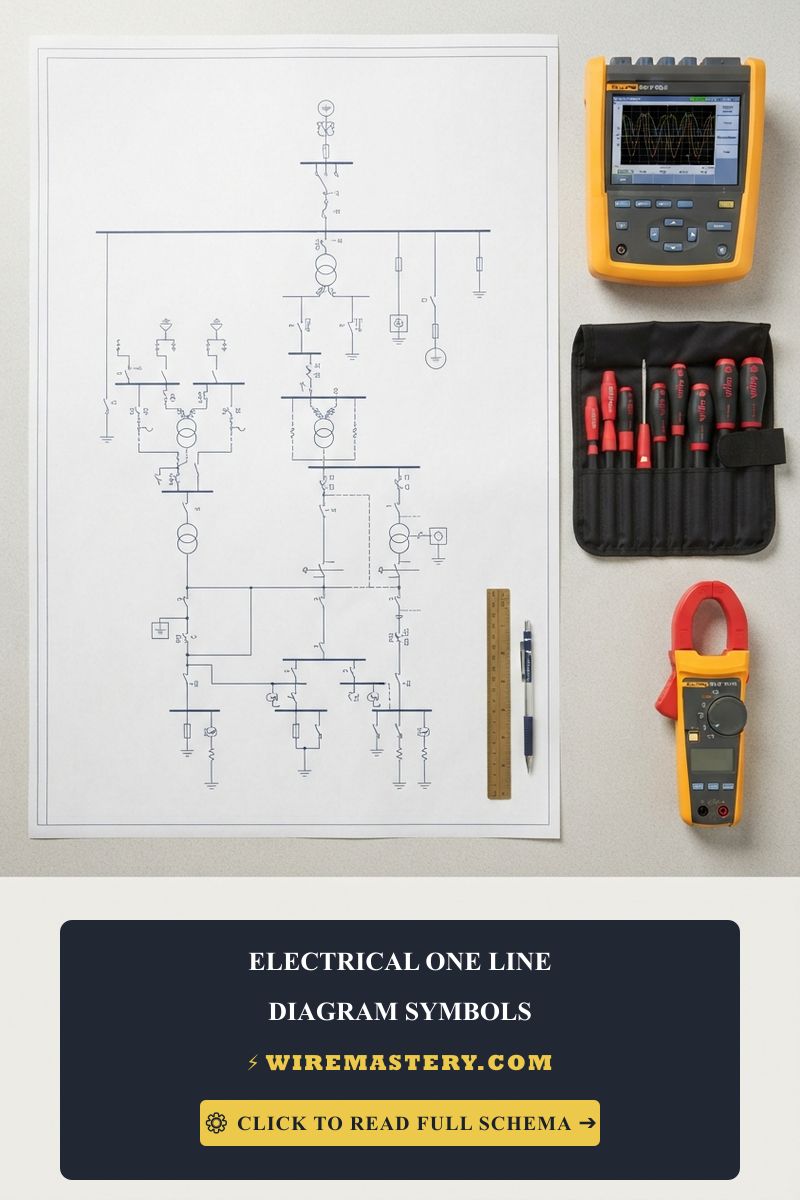
🛠️ The LED Driver Harmonic Filtering Note: Look closely at the solid-state equipment blueprints displayed throughout our home automation planning manuals. Notice that cheap, non-UL listed LED ceiling drivers utilize low-grade switching power cells that inject intense electrical noise and chopped waves back into the branch circuit lines. This digital pollution can confuse the DSP chip inside an arc fault on breaker module, triggering false nuisance trips when the dimmers scale to maximum settings. Always force your procurement team to select listed fixtures equipped with integrated harmonic filtering nodes to protect processor stability.
Troubleshooting Arc Fault Breaker Failure Diagnostics
- The AFCI Toggle Instantly Snaps OFF the Millisecond Power is Applied: This behavior indicates a Dead Short Circuit or a Severe Parallel Ground Fault. The breaker’s traditional magnetic solenoid core is tripping before the micro-processor chip even initializes its software matrix. Pull all duplex devices out along the loop using your insulated hand tools, check for bare copper wires touching a metallic box frame, and tape the perimeter boundaries before re-seating.
- The Breaker Trips Exclusively When a Specific Vacuum or Motor Launches: This operational failure confirms an active Arcing Brush Carbon Fault inside the appliance. As an un-serviced electric motor wears down, its interior carbon contact blocks pit and throw off large physical sparks that mimic a destructive structural wire break signature. Plug the vacuum into a non-AFCI circuit branch to verify if the motor requires a internal brush rebuild or filter cleaning.
- The AFCI Module Red Diagnostics Light Blashes in Specific Patterns: Modern afci circuit breaker components incorporate small diagnostic LEDs that act as internal error code displays. Upon a system trip, holding the test button down forces the light to blink: a 5-blink loop confirms an active parallel arc path inside the wall studs, a single flash logs a series wire separation fault, and zero illumination indicates a standard overcurrent thermal overload drop. Consult your manufacturer reference card to trace error metrics instantly.
National Electrical Code AFCI Protection Mandates
Adhering to strict national structural regulations protects your automated residential property investment from electrical fire hazards, maintains full property insurance validity, and ensures complete compliance with municipal building codes. Residential branch circuit safety parameters are heavily cross-regulated under NEC Article 210.12 (Arc-Fault Circuit-Interrupter Protection):
- The Comprehensive Residential Mandate (NEC 210.12(A)): Current building codes dictate that all 120-Volt, single-phase, 15-amp and 20-amp branch circuits supplying outlets or devices installed inside family kitchens, family dens, master bedrooms, living rooms, library nooks, or laundry corridors must be fully protected by an officially listed afci circuit breaker assembly or an outlet-type AFCI device at the originating node.
- The Structural Remodeling Standard (NEC 210.12(D)): When any existing branch conductor line or device yoke is modified, extended, or replaced within an older home framework, the installer must legally upgrade that complete branch circuit loop to incorporate full, modern arc-fault mitigation safety hardware at the subpanel board center.
For the NFPA 70 provisions relevant to this guide on AFCI Circuit Breaker: Arc Fault Protection & Troubleshooting Guide, consult the Official NFPA 70: National Electrical Code (NEC).