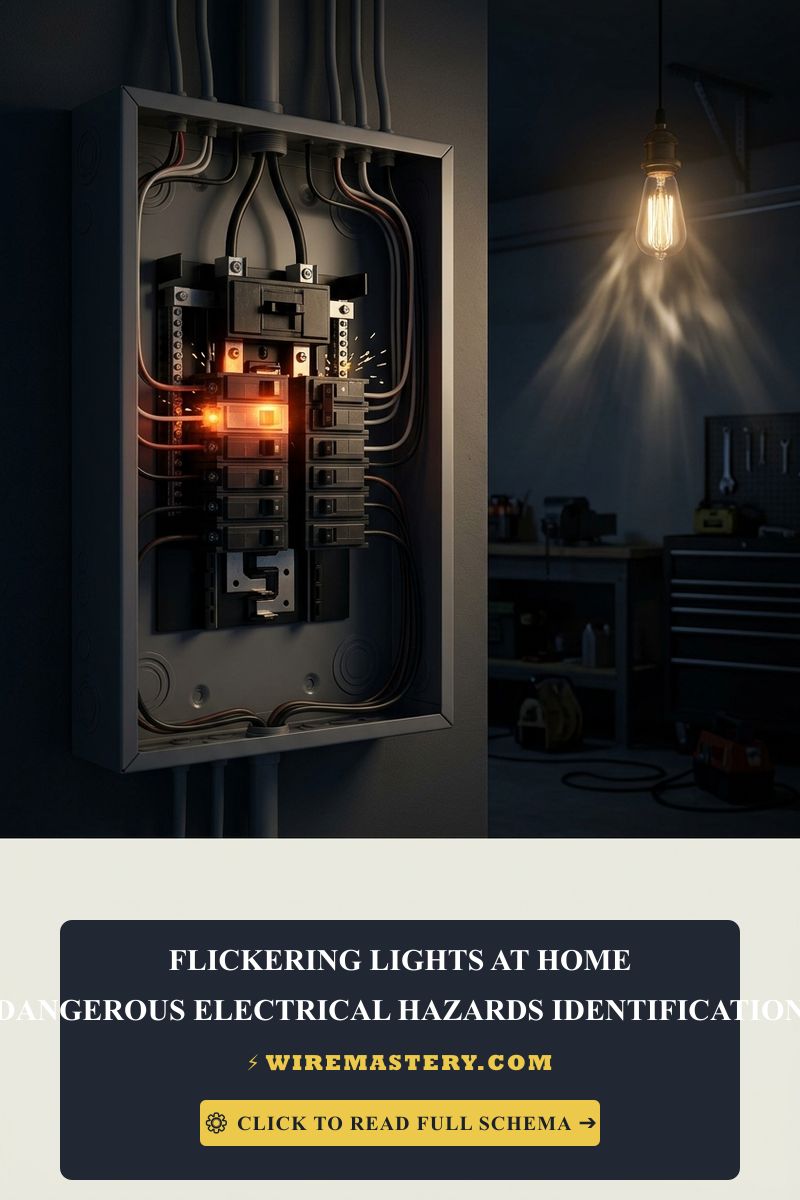
Flickering Lights at Home: Dangerous Electrical Hazards Identification
Flickering lights can have several causes, from a loose bulb to a problem with a lamp, dimmer, fixture, or electrical system. A flicker alone does not identify the cause, but some accompanying signs call for prompt professional help.
Understanding the causes, identifying potential hazards, and knowing when to seek professional help is crucial for maintaining a safe living environment.
This guide provides comprehensive insights into flickering lights, the electrical hazards associated with them, and how to identify and address these issues effectively.
Repeated or widespread flickering can indicate an electrical problem, especially when it occurs with unusual heat, buzzing, a burning smell, or a breaker that trips. Do not open a switch, fixture, or breaker panel to investigate. Note when the flicker occurs and contact a licensed electrician if it persists or appears with warning signs.
Understanding Flickering Lights
Flickering lights can occur for various reasons, ranging from minor issues to significant electrical hazards. Some common causes include:
- Loose Bulbs or Fixtures: A bulb that is not securely tightened can lead to flickering as it loses contact with the socket.
- Voltage Fluctuations: Changes in voltage due to demand on the electrical system can cause lights to flicker.
- Overloaded Circuits: If too many devices are drawing power from the same circuit, it may lead to flickering lights.
- Wiring Issues: Damaged or aged wiring can create poor connections, resulting in flickering.
- Faulty Switches: Defective switches can interrupt the flow of electricity, causing lights to flicker.
Noting when and where the flicker occurs can help an electrician narrow down the cause. These observations are not a substitute for testing or diagnosis by a qualified person.
Identifying Dangerous Electrical Hazards
Flickering lights can be indicative of several dangerous electrical hazards. It’s essential to identify these risks promptly to prevent electrical fires, shocks, or other injuries.
Common Electrical Hazards Associated with Flickering Lights
-
Overheating Circuits
- Caused by overloaded circuits or poor connections.
- Can lead to melted insulation and potential fires.
-
Damaged Wiring
- Old or frayed wiring may not handle current loads effectively.
- Increased risk of short circuits and electrical fires.
-
Loose Connections
- Loose wire connections in junction boxes or at the breaker panel can lead to arcing.
- Arcing can generate intense heat, increasing fire risk.
-
Improperly Installed Fixtures
- Fixtures that are not securely installed can cause intermittent connections.
- Potential for overheating and fixture failure.
-
Incompatible Light Bulbs
- Using bulbs with wattages exceeding fixture ratings can lead to overheating.
- Always adhere to manufacturer specifications for maximum wattage.
Safe Observations for Homeowners
- Note whether one lamp, one room, or multiple rooms are affected.
- Note whether flickering happens only when a dimmer is used or when a large appliance starts.
- Check the bulb and dimmer model numbers and whether the manufacturer lists them as compatible. Do not remove a fixture or switch to do this.
- If a bulb appears loose, switch the light off and let it cool before checking it; do not touch exposed parts or damaged fixtures.
- Do not open the breaker panel, inspect wiring, test switches, or measure voltage. Those checks should be performed by a qualified electrician.
Electrical Testing
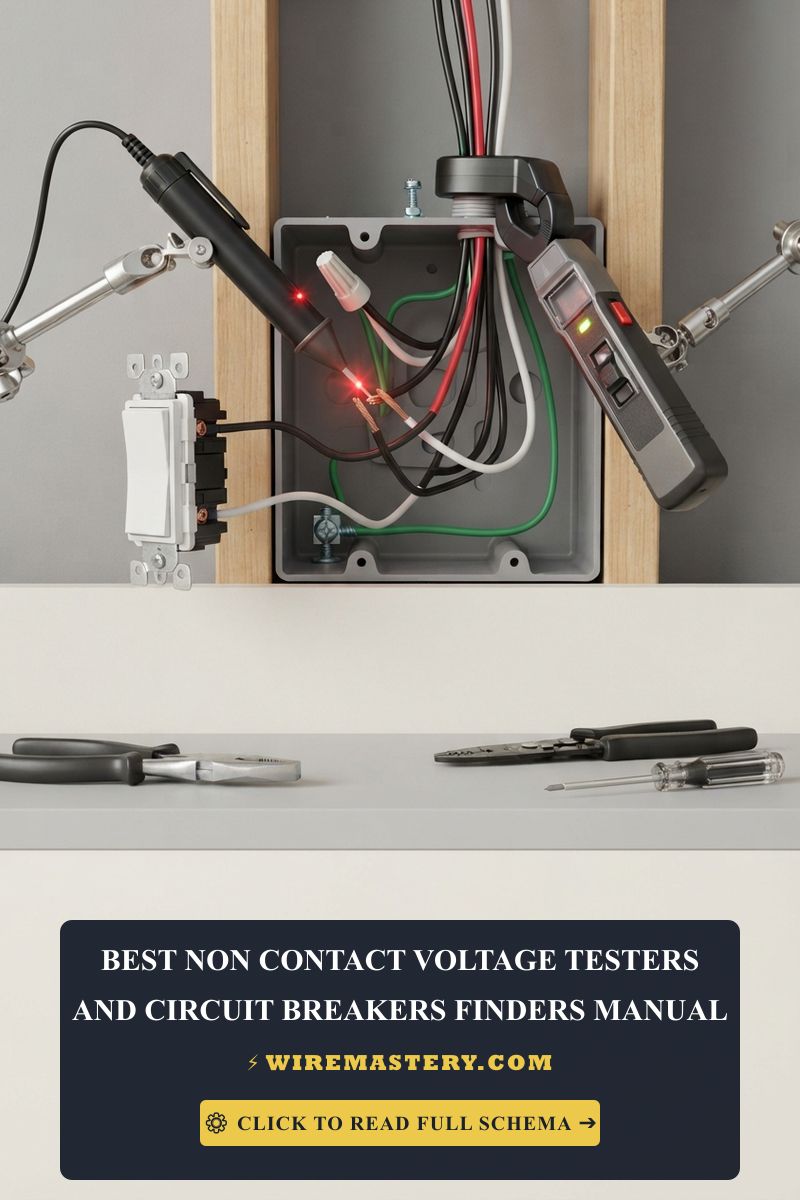
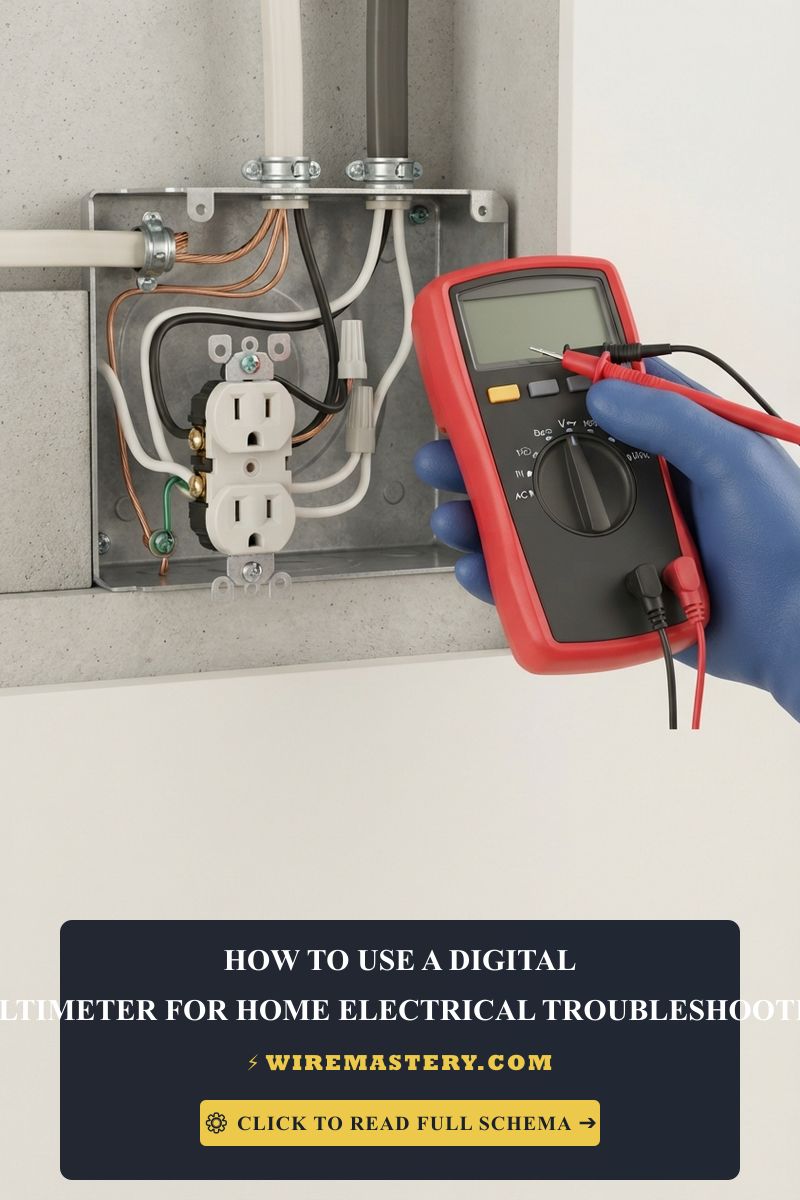
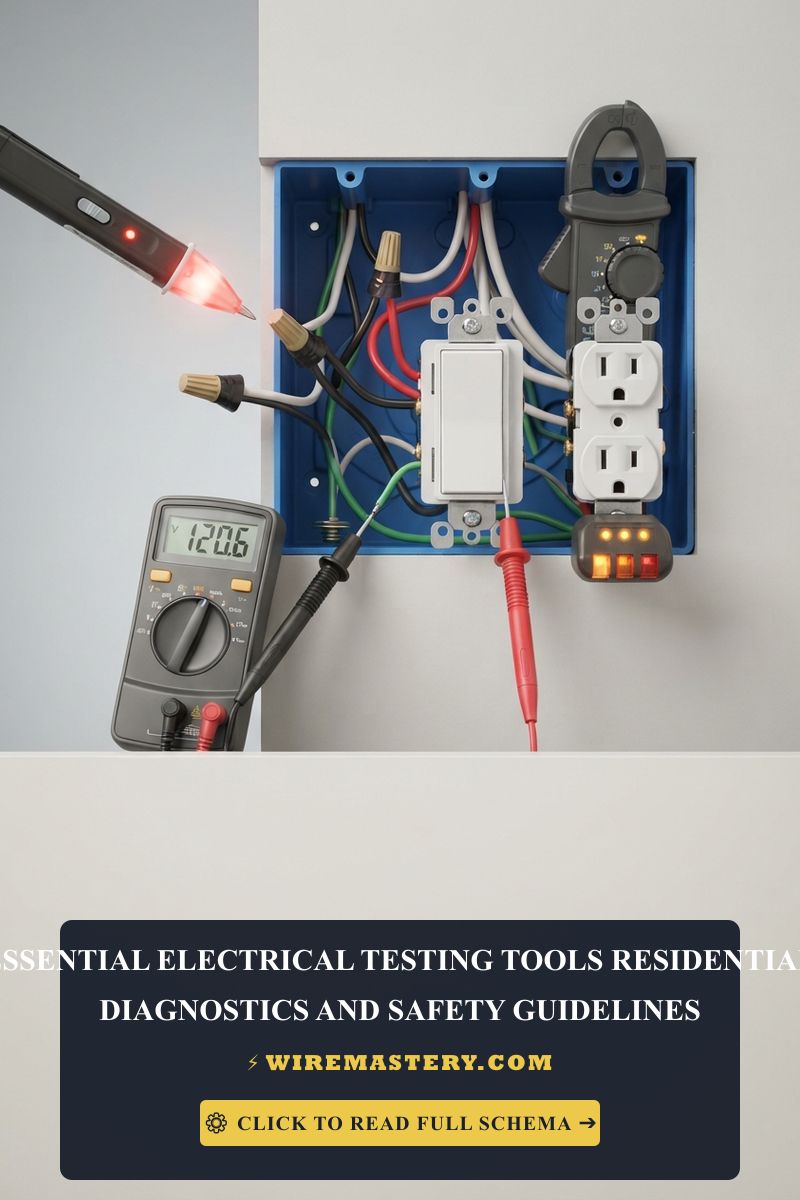
Voltage, continuity, and wiring tests require appropriate instruments and training. A non-contact voltage tester alone cannot establish that wiring is safe to touch. Do not use a multimeter, circuit tester, or hand tools to probe, open, or repair household wiring as part of this guide; contact a qualified electrician for electrical diagnosis.
Understanding Wire Gauges and NEC Codes
Wire Gauges
Wire size cannot be selected safely from a short generic chart. Permitted conductor size depends on the circuit, conductor material, insulation, installation conditions, and applicable code. Flickering lights are not a reason to change wiring or breaker size; have an electrician investigate suspected circuit problems.
NEC Codes
Electrical code requirements depend on the adopted edition and local jurisdiction. A general “80%” rule does not determine whether a particular home circuit is overloaded; load calculations and wiring inspections should be handled by a qualified electrician.
When to Call a Professional
Contact a licensed electrician when:
- Flickering affects multiple fixtures or rooms, or continues after checking bulb/dimmer compatibility.
- A breaker trips repeatedly, or you notice unusual heat, buzzing, a burning smell, sparks, or visible damage.
- You suspect damaged wiring or a panel problem. Do not remove covers or attempt to tighten connections.
- The cause is unclear. A qualified electrician can safely diagnose the circuit and equipment.
Preventative Measures
These measures can reduce some common causes of flickering, but they do not replace electrical inspection when warning signs are present:
- Regular Inspections: Schedule periodic inspections of your electrical system by a licensed electrician.
- Have wiring inspected: Ask a licensed electrician to assess aging or damaged wiring and recommend any needed repairs.
- Install Surge Protectors: Protect appliances and devices from voltage spikes.
- Use loads as intended: Follow appliance and circuit instructions; do not change breakers or wiring to address flicker.
- Use Quality Fixtures and Bulbs: Invest in reputable brands to ensure durability and safety.
💡 Data Protection Tip: Flickering lines and continuous voltage sags do more than wear out your light bulbs; they subject sensitive home office electronics to progressive hardware degradation. To completely shield your network storage units and computers from data corruption during sudden grid dropouts, implement a dedicated battery backup for home office setup to ensure clean runtime power management.
Conclusion
Flickering lights at home should not be ignored, as they can indicate serious electrical hazards. By understanding the potential causes and associated risks, homeowners can take proactive steps to ensure their safety. Employing the right tools, adhering to NEC codes, and knowing when to call a professional are essential parts of maintaining a safe electrical environment. Regular inspections, proper wiring practices, and preventative measures can help ensure that your home remains a safe haven free from electrical hazards. Remember, safety should always be the priority when dealing with electrical systems.