Types of Electrical Cables and Their Uses: A Homeowner's Guide
When tackling residential electrical projects, understanding the exact types of electrical cables and their specific application limits is paramount. Selecting the wrong wiring envelope can mean the difference between a code-compliant, safe installation and a severe fire hazard.
This manual equips homeowners and DIY enthusiasts with the technical breakdown of common residential building cables, National Electrical Code (NEC) standards, and wire selection benchmarks.
Key Technical Specifications Checklist
Before routing structural lines through your home’s framing, verify your wiring thresholds:
- Conductor Material: Standard residential branch circuits rely strictly on solid or stranded copper (Aluminium is typically restricted to large service entrance lines over 60 Amps).
- Insulation Rating: Always check the letters stamped on the jacket (e.g., THHN, THWN) to verify temperature and moisture thresholds.
- NEC Code Compliance: Ensure your physical cables carry official UL (Underwriters Laboratories) listing marks on the outer sheath.
Technical Materials and Tools Checklist
Executing professional building wiring terminations requires specific trade tools to manipulate structural cable sleeves safely:
| Electrical Trade Tool | Primary Technical Purpose |
|---|---|
| Dual-Blade NM Cable Ripper | Slits the outer plastic Romex sheath cleanly without scoring the inner conductor jackets. |
| Heavy-Duty Linesman Pliers | Designed for pulling, cutting, and twisting multiple solid copper conductors together. |
| Automatic Wire Strippers | Calibrated to strip insulation from 10 AWG down to 14 AWG solid lines without nicking copper. |
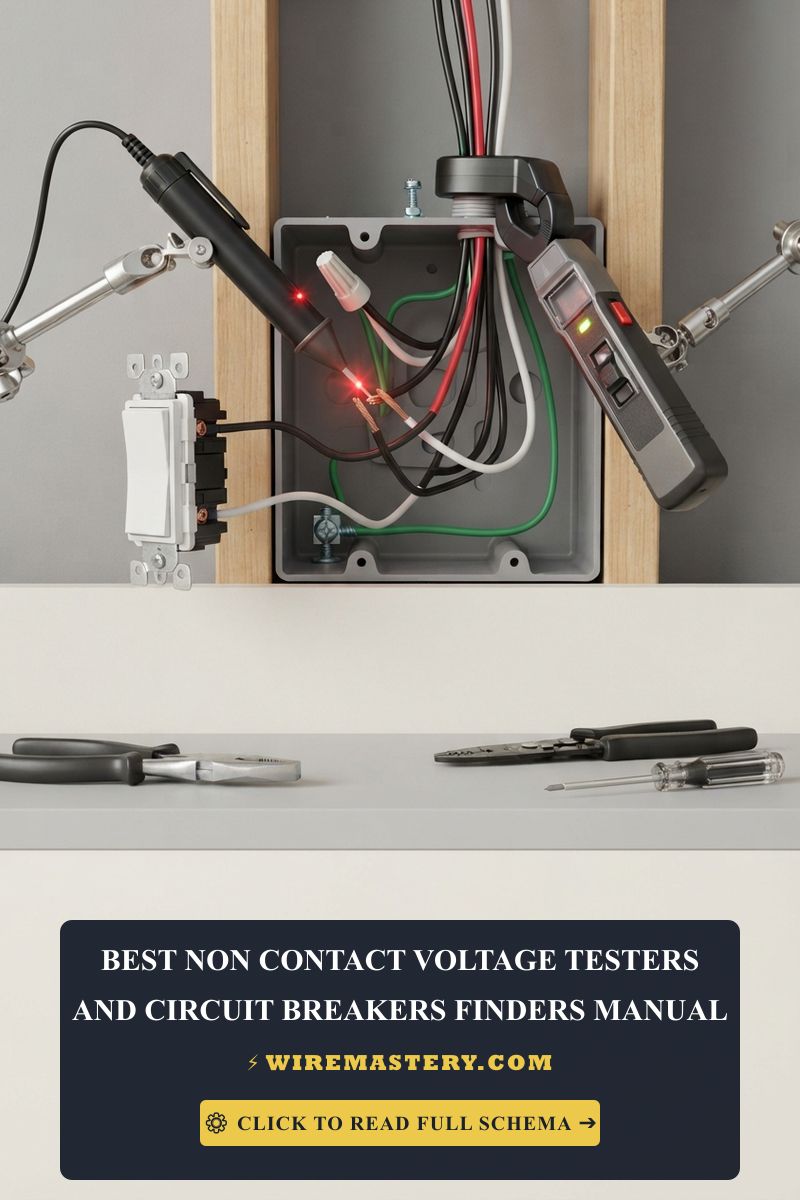
| Non-Contact Voltage Tester | To confirm 100% de-energization inside junction boxes before handling terminals. |
Common Residential Cable Types & Trade Nomenclatures
To accurately navigate your project hardware needs, you must recognize structural cables by both their technical classifications and their standard field trade names used across the United States.
1. Non-Metallic Sheathed Cable (NM-B or Romex)
Commonly referred to by the leading brand name Romex, NM-B cable is the absolute benchmark for modern indoor residential branch wiring loops.
- Core Characteristics: Features two or more color-coded insulated solid copper conductors and one bare copper equipment grounding line, all enclosed in a flat PVC outer jacket.
- NEC Application Limits: Restricted strictly to dry, indoor locations. It must never be embedded in concrete, plaster, or run through outdoor exposed environments.
- Structural Support: Must be secured with approved staples within 12 inches of entering an electrical box and at minimum intervals of every 4.5 feet along structural studs.
2. Underground Feeder Cable (UF-B)
Often termed Direct Burial Cable, UF-B is engineered specifically to withstand environmental moisture and subterranean conditions.
- Core Characteristics: Unlike Romex, where conductors rattle loosely inside a hollow jacket, UF-B features a solid, continuous vinyl injection molding that encapsulates every single wire strand to block water ingress completely.
- NEC Application Limits: Rated for wet locations and direct burial paths. It can be trenched underground without conduit pipelines, provided it maintains a minimum burial depth of 24 inches under standard residential lawns.
3. Metal-Clad & Armored Cable (MC or BX)
Commonly called MC Cable or BX in the field, this option provides heavy-duty mechanical protection.
- Core Characteristics: Insulated copper lines encased inside a flexible interlocking aluminum or galvanized steel corrugated armor spiral sheath.
- NEC Application Limits: Required when running exposed wiring lines down unfinished basement concrete walls, utility garages, or inside commercial structures where plastic Romex sheaths are vulnerable to physical damage.
Standard Residential Wire Sizing & Amperage Matrix
To avoid heat accumulation and circuit breaker overloads, you must match your cable size (AWG) to the corresponding overcurrent protection device (Oversizing wire is safe, but undersizing wire violates federal codes):
| Cable Gauge (AWG) | Standard Romex Jacket Color | NEC Maximum Ampacity | Primary Home Application |
|---|---|---|---|
| 14 AWG | White | 15 Amps | General residential lighting and standard bedroom receptacle outlets. |
| 12 AWG | Yellow | 20 Amps | Kitchen small appliances, bathroom receptacles, and laundry branch loops. |
| 10 AWG | Orange | 30 Amps | Heavy-duty lines (Central AC condenser units, electric clothes dryers). |
| 8 AWG & 6 AWG | Black | 40 - 55 Amps | Large residential appliances (Electric ranges, cooktops, subpanel feeds). |
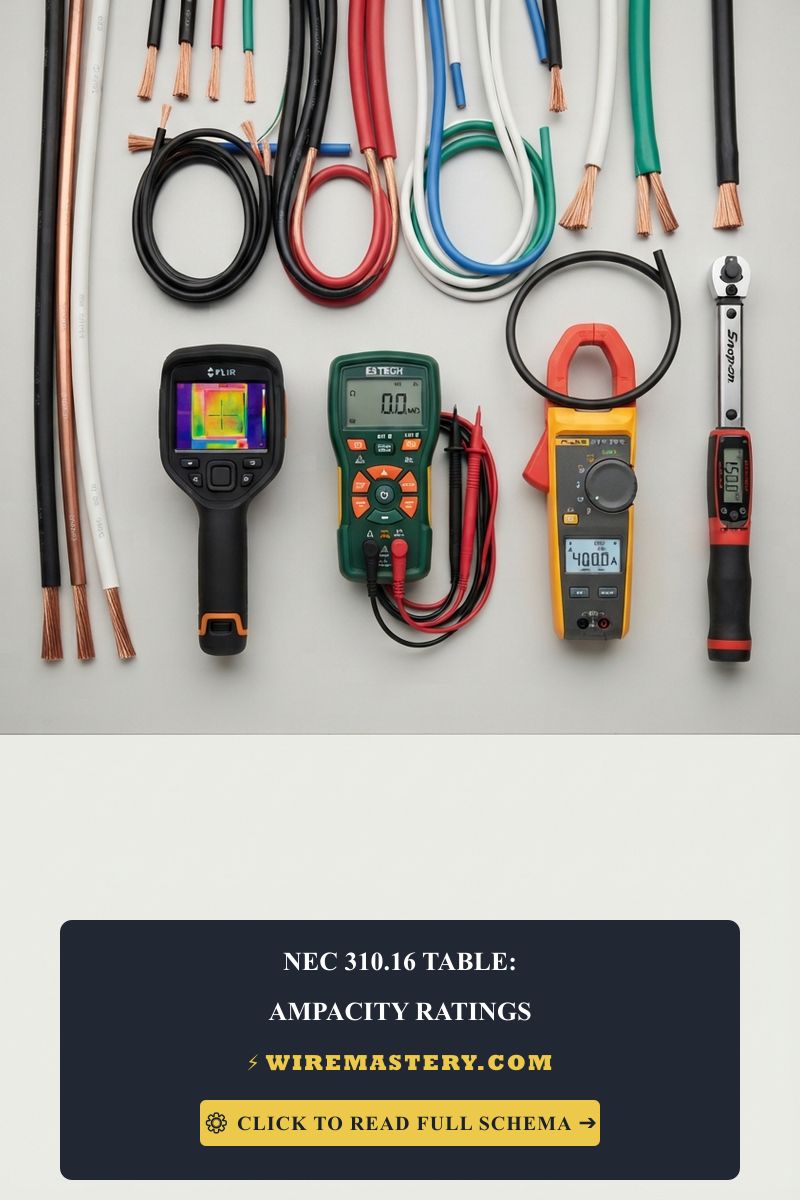
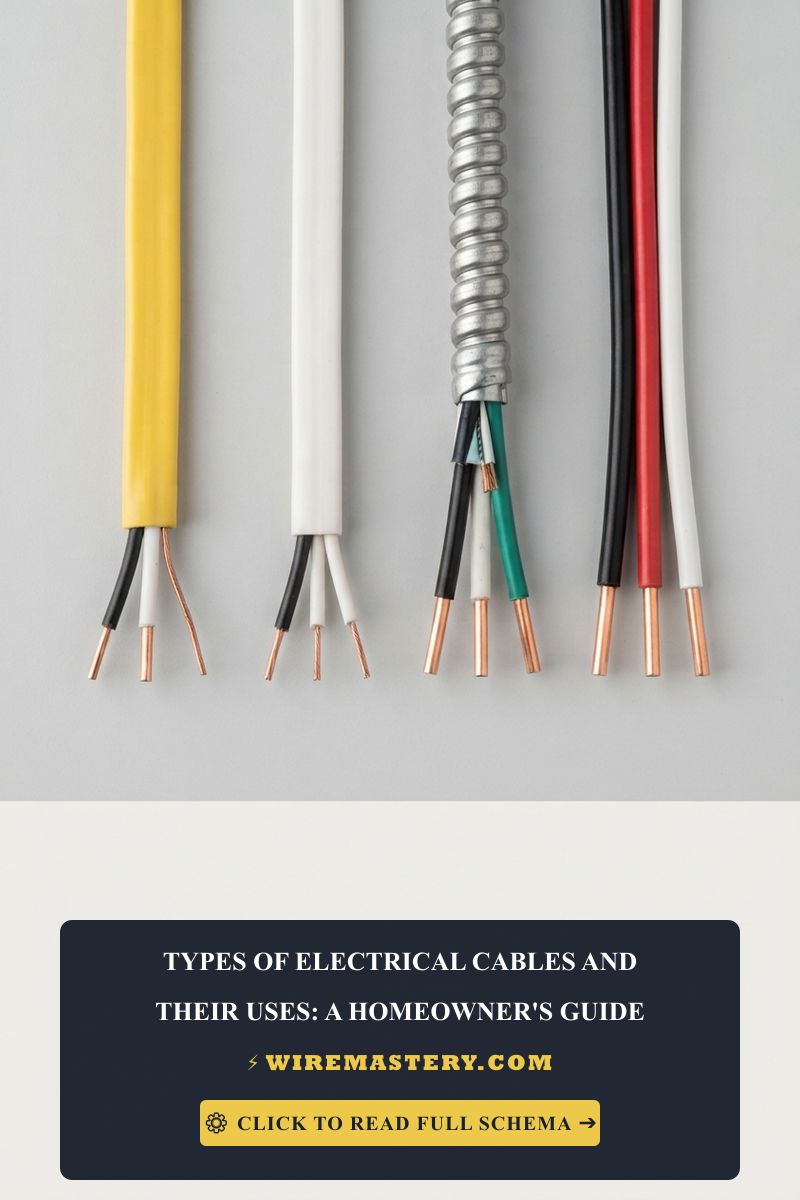
🛠️ Contractor Visual Analysis: Look closely at the structural cable lineup showcased in our guide banner. From left to right, you can identify the exact real-world dimensions used in US properties: 1) The Yellow Romex (12 AWG) for 20-amp loops, 2) The White Romex (14 AWG) for 15-amp lighting branches, 3) Flexible Metal-Clad (MC) Armor housing insulated leads for high-protection framing, and 4) Individual solid THHN/THWN conductors ready to be pulled through structural conduit pipelines. Always check the stamped insulation markings before executing your structural runs.
Specialty Low-Voltage and Communication Cables
Low-Voltage Control Lines (18 AWG - 14 AWG)
Typically used for landscape lighting, smart doorbells, and multi-conductor HVAC links. If you are executing an advanced structural climate upgrade, consult our detailed smart thermostat installation guide to map your control loops correctly.
Structured Data Cables (Cat-5e & Cat-6)
Designed for high-speed local data networking. These high-frequency twisted-pair lines must maintain a minimum physical separation of 2 inches from standard high-voltage Romex runs inside stud walls to prevent electromagnetic interference from degrading your bandwidth.
Common Splicing and Installation Pitfalls to Avoid
- Stripping Wires with a Knife: Using utility blades to slice outer sleeves frequently leaves horizontal scores on the internal copper cores. Under current load, these micro-nicks create concentrated stress points that overheat and snap, triggering electrical arcs.
- Mixing Amperages on White Romex: Legacy white Romex cables manufactured before 2001 carried both 14 AWG and 12 AWG lines inside identical white sheaths. Always read the outer laser print stamps on vintage cables before adding a 20-amp load to an old white line.
- Overloading Box Fill Limits: Stuffing thick 10 AWG or 12 AWG cables into small plastic boxes clamps conductors together, preventing ambient air cooling and leading to progressive insulation decay.
NEC Compliance & Official Safety Standards
Adhering to strict construction codes ensures your home infrastructure remains legal, insurable, and safe. The National Electrical Code strictly regulates conductor ampacities, temperature derating adjustments, and conduit fill weights under NEC Article 334 (Nonmetallic-Sheathed Cable) and Article 340 (Underground Feeder Cable). Non-compliance can invalidate homeowner insurance coverage during a thermal structural crisis.
For current NFPA 70 guidance on cable types, conductor sizing, insulation ratings, ampacity, and residential installation, consult the Official NFPA 70: National Electrical Code (NEC).
Conclusion
Mastering the distinct types of electrical cables and their specific trade designations transforms your DIY home renovations into smooth, installations. By tracking your AWG jacket color-coding codes, respecting wet/dry environmental limits, and aligning branch lines with correct NEC circuit amperages, you protect your property’s electrical grid for the future. Always turn off the primary breaker switch, verify voltage states, and execute your terminations with code-compliant care.