Certified Electricians Hiring Guide: Rates & Insurance Requirements
Retaining a certified residential electrician or drafting a code-compliant line-item labor estimate for a home insurance coverage validation demands a comprehensive operational understanding of tiered trade licensing economics, localized geographic market premiums, and professional liability indemnity boundaries. In North American residential modernizations, project managers frequently make the critical mistake of treating trade labor as a flat, single-cost commodity line, failing to differentiate between the legal operational limits of apprentices, journeymen, and master electricians. When filing a major structural insurance claim following a catastrophic overcurrent blowout, a localized lighting strike surge, or progressive insulation failure, the underwriting adjuster center requires an itemized technical invoice executed exclusively by a fully licensed specialty trade contractor.
To guarantee full insurance compliance and prevent financial scope creep across extensive structural overhauls, property owners must cross-reference their project bids with verified service panel board relocation cost sheets and certified historic knob-and-tube electrical remediation manuals.
This procurement blueprint outlines the nationwide financial cost standards for tiered electrical labor, the operational mechanics of insurance claim line-item approvals, and professional on-site diagnostic metrology toolkits.
Core Professional Vetting and Rate Boundaries
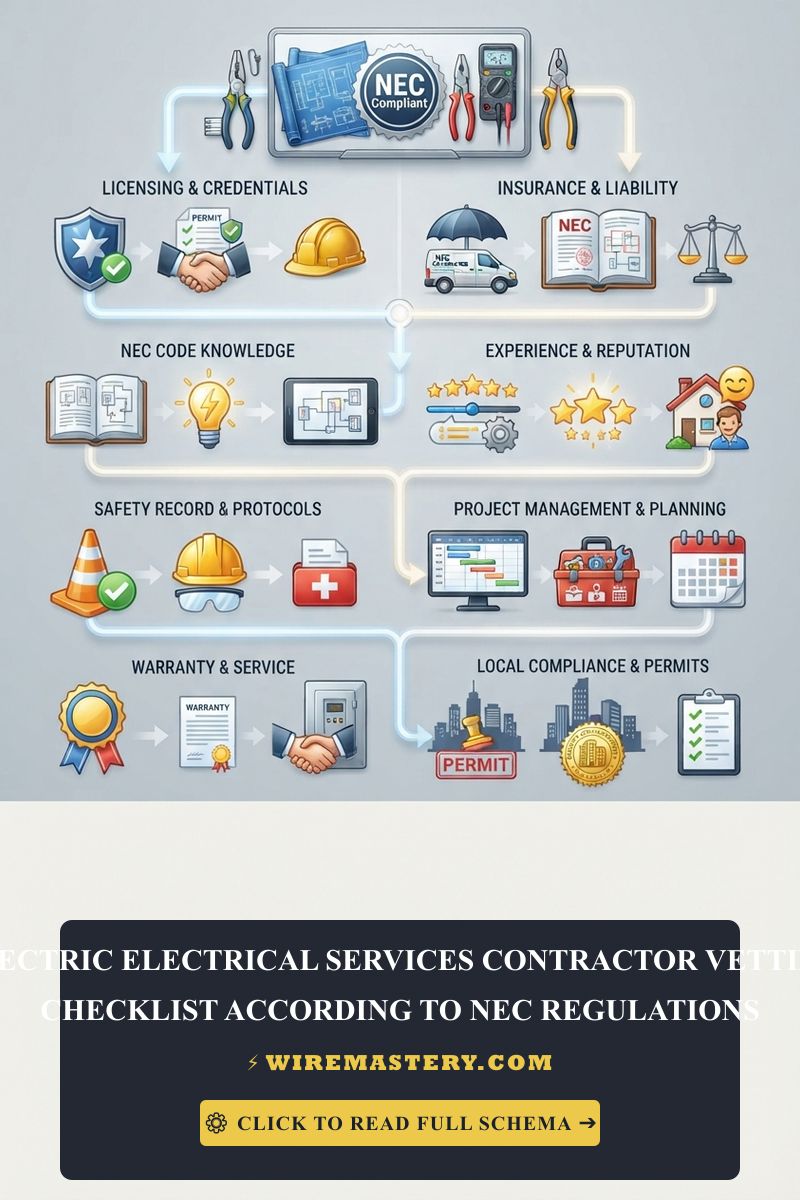
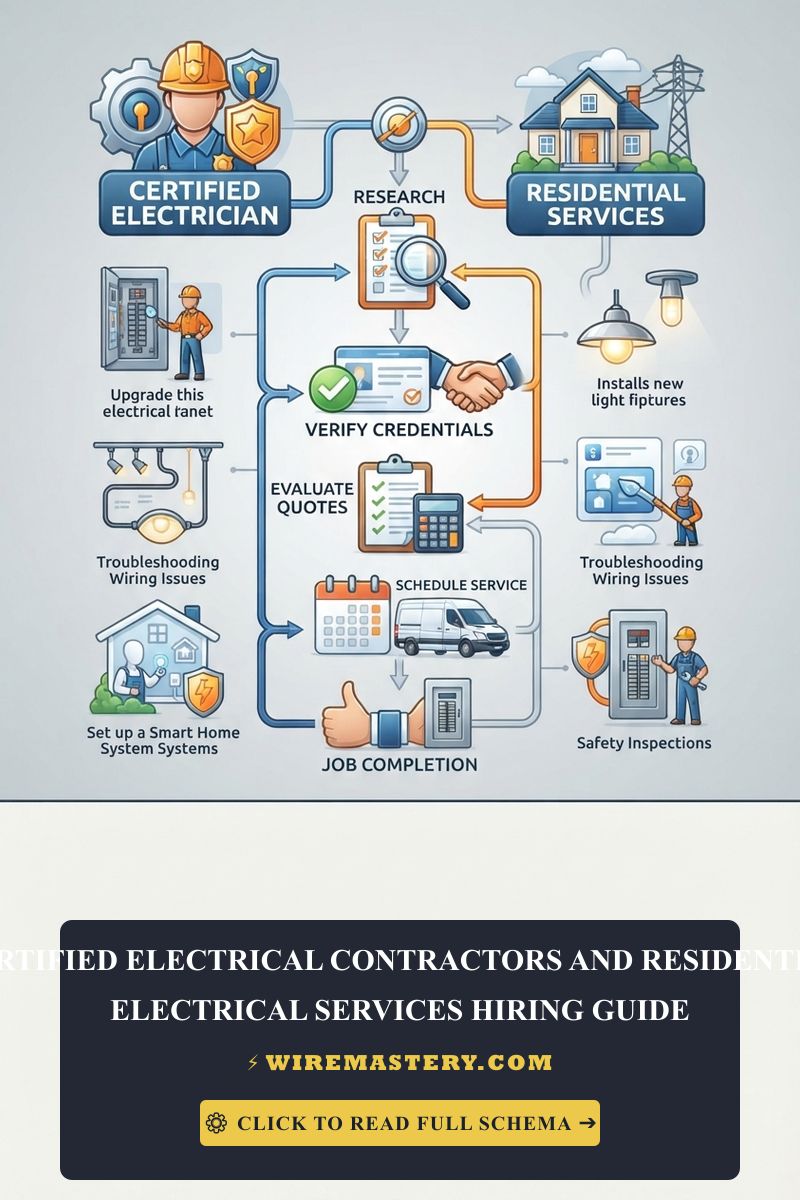
Before signing a legally binding residential construction agreement or authorizing field wire cuts inside a distribution subpanel, verify these three regulatory boundaries:
- The Tiered Labor Multiplier: Electrical labor rates inside the United States are strictly dictated by the technician’s logged on-the-job training (OJT) credentials. Standard residential billing matrices split labor into explicit pricing brackets, moving from entry-level apprentices up through licensed journeymen and fully certified master trade operators.
- The Insurance Claim Adjuster Mandate: If an electrical infrastructure failure causes structural sheetrock or framing fire damage, home insurance underwriters will reject the property claim entirely if the diagnostic investigation reveals that modifications were executed by an un-certified individual. Payout clearance legally requires an official certificate of compliance signed by a licensed electrician verifying the repair aligns with strict National Electrical Code regulations.
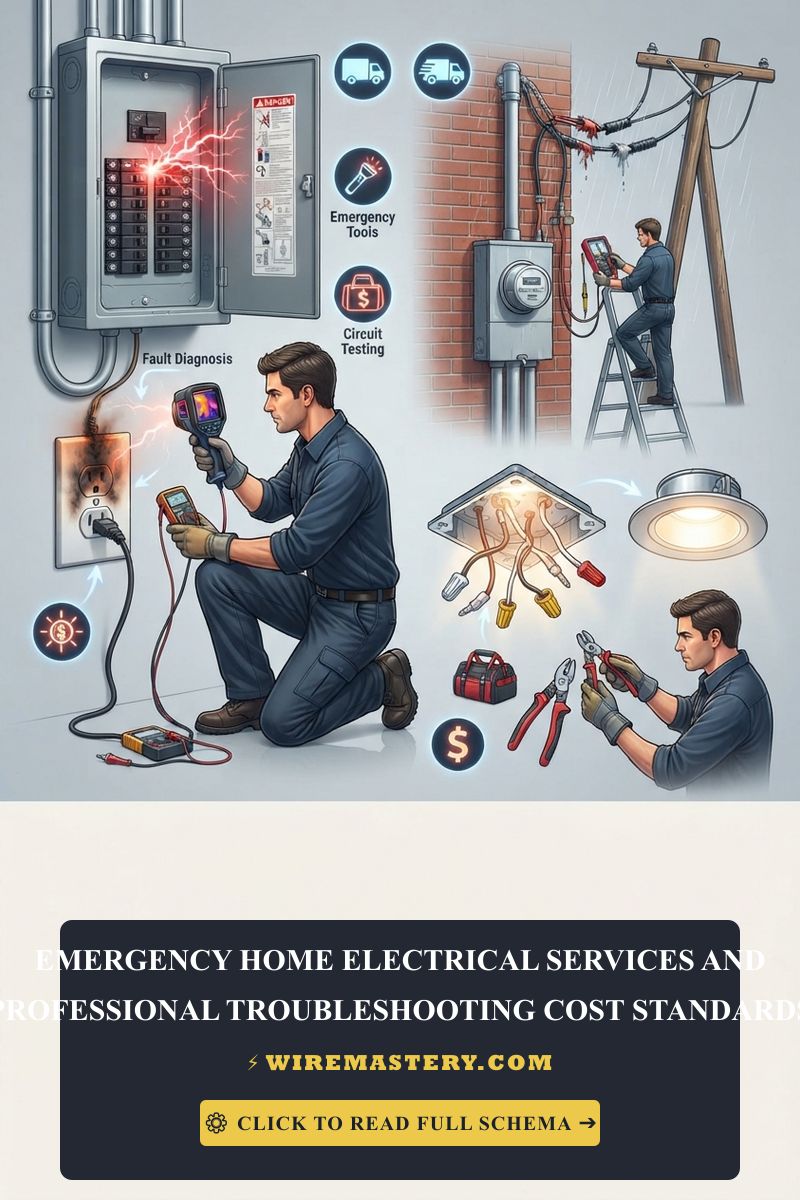
- The Minimum Service Fee Floor: Professional electrical contractors enforce a fixed diagnostic service trip fee floating between $75 and $200. This fee covers the overhead mobilization costs of committing a stocked service truck to the site and universally carries a mandatory 1-hour minimum labor assessment window.
Technical Materials & High-Energy Field Vetting Toolkit
To monitor field operations safely and verify that your hired certified contractor utilizes laboratory-grade, listed instrumentation to diagnose your property, reference this critical asset matrix:
| Industrial Diagnostic Tool | Primary Engineering Purpose & Trade Safety Threshold |
|---|---|
| True RMS CAT IV Clamp Meter | Category CAT IV 600V certified to safely capture continuous service entrance currents. |
| Digital Insulation Megohmmeter | Injects high-voltage DC potentials up to 1,000V to detect hidden wire insulation micro-fissures. |
| Three-Wire GFCI Loop Tester | Pocket analyzer equipped with a dedicated test button to simulate 5 mA ground fault leaks. |
| Non-Contact AC Voltage Wand | High-sensitivity proximity sensor calibrated to guarantee 100% circuit de-energization. |
| Calibrated Dial Torque Wrench | Absolute legal requirement to tighten circuit breaker terminal lugs to exact inch-pound specs. |
Conductor Overcurrent Headroom & Wire Gauge Price Loops
A core trade competency evaluated during an adjuster’s on-site audit is verifying that your hired contractor utilized the exact copper or aluminum material diameters mandated by NEC Article 310.16 parameters:
- 14 AWG Conductor Core (15-Amp Circuit Limit): White sheathing profile. Standard residential lighting and low-density bedroom outlet branches. Contractor material costs float at the baseline index floor.
- 12 AWG Conductor Core (20-Amp Circuit Limit): Yellow sheathing profile. Mandatory for kitchen small appliance branch circuits (SABC), high-moisture bathroom vanities, and laundry outlet loops.
- 10 AWG Conductor Core (30-Amp Circuit Limit): Orange jacket sheathing. Required for high-power continuous loads like dedicated clothes dryers and water heating element blocks. Material kit expenses scale up due to increased copper cross-sectional circular mil density.
Technical Phase 2: Hourly Rate Tiering & Insurance Claim Documentation
To draft an accurate insurance mitigation invoice or verify if a contractor’s billing ledger matches standard industry economic benchmarks inside the United States, project managers reference strict tiered labor classifications:
1. Itemized Hourly Labor Cost Matrix by Licensing Tier
| Electrician Licensing Grade | Standard Hourly Rate Range | Emergency / After-Hours Rate | Legal Operational Scope & Inspection Authority |
|---|---|---|---|
| Apprentice Electrician | $30 – $55 / hr | $45 – $82.50 / hr | Must work under direct, continuous on-site supervision of a Journeyman or Master. Cannot wire panels independently. |
| Journeyman Electrician | $55 – $95 / hr | $82.50 – $142.50 / hr | Fully certified to execute independent field rough-ins, subpanel terminations, and branch wire diagnostics. |
| Master Electrician | $95 – $175 / hr | $142.50 – $262.50 / hr | Evaluates master blueprints, pulls municipal permits, signs insurance compliance certificates, and runs contracting firms. |
2. Drafting the Insurance Forensic Report Clause
When an electrical fire or overcurrent surge wrecks a portion of a property’s infrastructure, the homeowner’s insurance adjuster requires a structured, code-compliant validation statement before clearing capital payouts. Ensure your hired Master Electrician embeds this explicit technical engineering clause into the final claim submittal package:
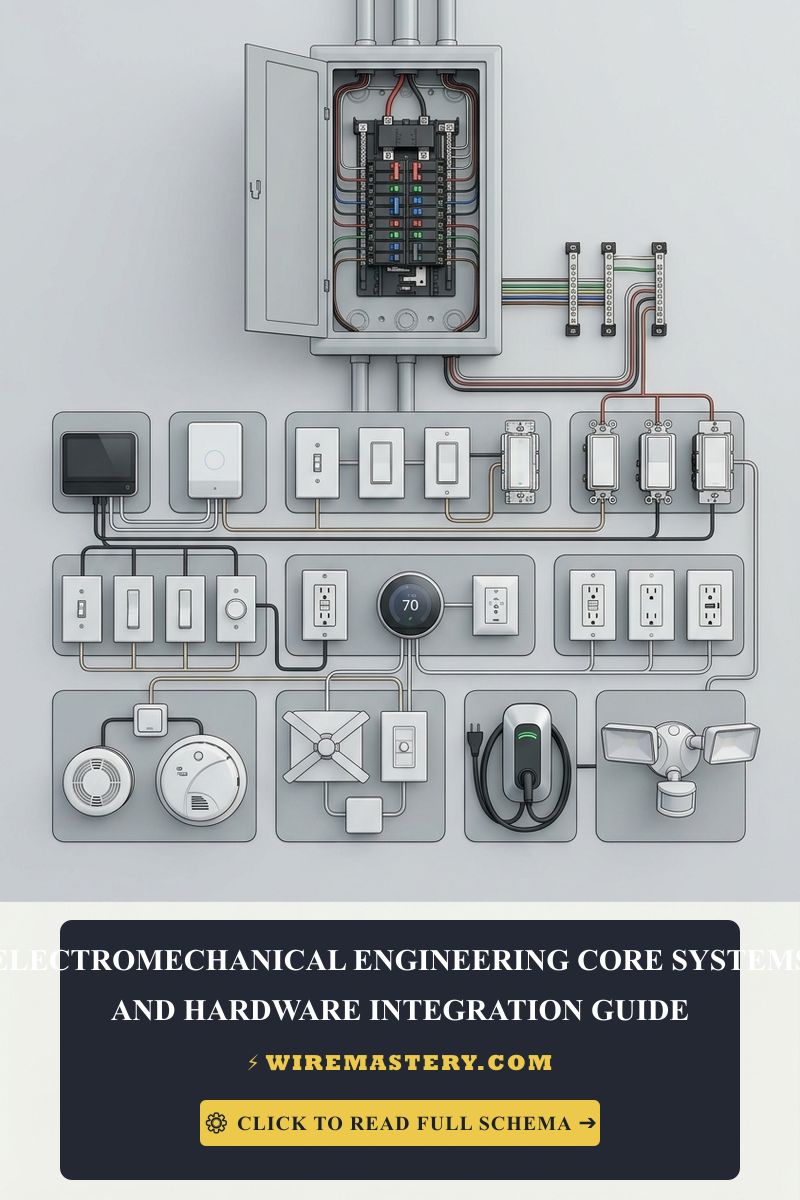
"Following a systematic unpowered insulation resistance audit utilizing a digital megohmmeter at 500V DC, a catastrophic insulation dielectric breakdown was isolated inside the branch circuit wall tracks feeding the south wing. Circuit restoration was executed utilizing exclusively certified 12/2 NM-B solid copper conductors torqued to exact manufacturer specifications of 35 inch-pounds under NEC 110.14(D), fully isolating the faulted path and restoring code-compliant grounding continuity back to the primary main distribution center."🛠️ The Certificate of Occupancy Clearance Note: Look closely at the multi-circuit panel board blueprints displayed across our master property renovation portfolios. Notice that if a major electrical hazard forces a municipal utility cut-off drop, your local city inspector will refuse to clear a new Certificate of Occupancy or re-energize the property until a licensed Master Electrician files an official signed NFPA 73 electrical safety compliance log. Prioritize contractors who maintain direct digital permit links with local enforcement centers to accelerate grid reconnection timelines under emergency conditions.
Troubleshooting Contractor Rate Overruns & Underwriter Disputes
- The Contractor Bills Master Electrician Hourly Rates for Apprentice Labor: This behavior indicates a severe contractual pricing violation. If a trade crew arrives on your property containing one Master supervisor and three apprentices pulling wire loops through studs, billing the entire crew’s field hours under the Master multiplier is predatory and illegal. Your itemized entry invoice must explicitly split the hours logged by each individual technician based on their verified pocket license credentials.
- The Insurance Adjuster Rejects a Panel Claim Due to “Lack of Maintenance”: Underwriters frequently use the presence of ancient, obsolete equipment as an absolute mechanism to deny fire coverage payouts. If your property suffers a short-circuit arc event while driven by a legacy system prone to non-tripping latch failures, the adjuster will claim gross negligence. Force your hired contractor to document all visual thermal laser scans and micro-ohm bus bar pitting parameters in writing to prove the event was an unpredictable inductive surge blowout.
- The Final Billing Ledger Includes Unexplained “Terminal Fasteners Calibration” Surcharges: To block this common change-order billing strategy, ensure your initial construction contract states that complete alignment with NEC 110.14(D) mechanical torquing codes is a baseline trade requirement covered entirely within the standard hourly labor agreement, fully blocking post-repair pricing creep.
National Electrical Code Professional Workmanship Boundaries
Adhering to strict electrical installation codes shields your home investment, maintains property valuation, and ensures full property insurance validity. The National Electrical Code strictly regulates workforce metrics, general requirements, and component testing clearances under NEC Article 90 (Introduction) and Article 110 (Requirements for Electrical Installations):
- The Suitability for Listing Mandate (NEC 110.3): All diagnostic hand tools, measuring instruments, and integrated building materials must be certified by an approved independent testing laboratory (such as UL, Intertek, or CSA) and deployed strictly in full compliance with the explicit technical instructions printed on the product casing.
- The Neat and Workmanlike Manner Rule (NEC 110.12): Electrical conductors and equipment must be installed in a neat and workmanlike manner. Aerial service drops, subpanel wiring gutters, and wall box splices executed with sloppy trailing wire play or un-torqued terminal pressure plates will be flagged by city inspectors as an immediate code compliance failure.
For the NFPA 70 provisions relevant to this guide on Certified Electricians Hiring Guide: Rates & Insurance Requirements, consult the Official NFPA 70: National Electrical Code (NEC).
Conclusion
This article explains certified residential electrician hourly rate structures, drafting code-compliant forensic claim reports for home insurance adjuster approvals, and executing terminal lug pressure plate alignment using CAT IV certified clamp instruments transforms volatile household electrical crises into safe, highly predictable solutions. By keeping material dimensions fully aligned with NEC Article 310.16 ampacity charts, removing high-resistance intermediate copper splices before carbon micro-arcing can build up, and enforcing absolute compliance with NEC Article 110.12 workmanship guidelines, you construct an unshakeable, exceptionally resilient residential grid infrastructure. For final checks, complete utility subpanel power isolation safety checkups before auditing live panel lugs, deploy ASTM F1505 certified insulated tools, and complete every diagnostic procurement milestone with safety-first precision.